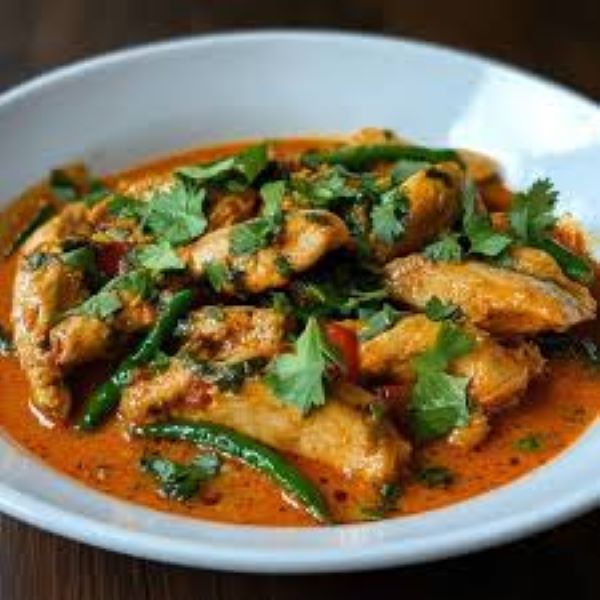
Pollo al disco is Argentine outdoor cooking at its most social. The disco, which is the repurposed concave metal disc from a plow blade, functions as a wok, a frying pan, and a braising vessel all in one. Everything goes in stages over an open flame: first the aromatics, then the chicken, then the vegetables, and finally a liquid that brings everything together as the lid goes on and the whole thing finishes in its own steam. The result is a chicken dish with depth from the layered cooking, a natural sauce that forms from the released juices and the wine or beer added partway through, and a smoky character from the fire underneath. If you have been searching for the best pollo al disco near me, this guide explains what you are looking for and where to find something close to the original experience.
What Pollo al Disco Actually Is
The disco as a cooking vessel was born from Argentine agricultural ingenuity. Plow discs, no longer useful in the field, were repurposed as cooking surfaces in the campo, the Argentine countryside. Their concave shape concentrates heat at the center and allows for even cooking across a large surface, making them ideal for feeding groups. Pollo al disco became one of the signature preparations using this vessel, alongside other disco classics like revuelto gramajo and cordero al disco.
The preparation follows a specific sequence. Onion, garlic, and red pepper go in first with olive oil until soft. The chicken pieces, usually bone-in thighs, drumsticks, and halved breasts, go in next and brown on both sides in the aromatic base. Vegetables follow in stages based on cooking time: harder vegetables like carrot and potato earlier, softer ones like mushroom and zucchini later. Wine, often a dry white or a light red, goes in along with stock or water. The lid goes on and the chicken finishes braising in the accumulated steam and liquid.
The sauce that forms is not pre-planned. It comes from the chicken juices, the wine, the vegetables, and the aromatics all combining in the concave disc over the course of cooking. This is why pollo al disco tastes different from a standard braise made in a pot. The open fire, the wide cooking surface, and the sequential layering produce a result with more depth and a less uniform sauce than a kitchen braise.
When you search for the best pollo al disco near me, you are looking for a restaurant or venue that uses or closely replicates the disco cooking method rather than making a standard braised chicken dish and calling it al disco.
Where to Find It
Argentine parrillas and asado restaurants are the most likely source. Argentine restaurants focused on live-fire cooking and outdoor grilling are more likely to have a disco setup than general Latin American restaurants. Parrillas that market themselves as authentic Argentine asado experiences sometimes include disco preparations as part of a broader live-fire menu.
Argentine cultural events and outdoor food festivals are among the best places to find pollo al disco outside of Argentina. The dish is inherently communal and outdoor, which makes it a natural fit for events rather than restaurant kitchens. Argentine community gatherings, campo-style events, and asado festivals sometimes feature a disco station as a focal point of the cooking.
Argentine catering operations that specialize in live-fire outdoor events often carry a disco as part of their equipment and prepare pollo al disco for private events, corporate gatherings, and community functions. Searching for Argentine catering or asado catering in your city may surface options for tasting or ordering pollo al disco in a catering context.
Argentine home cooks who own a disco and make pollo al disco for gatherings are the most authentic source. In cities with Argentine communities, asking in Facebook groups or Instagram whether anyone makes and sells pollo al disco for events or batch orders often surfaces people who cook it regularly.
How to Search More Effectively
A direct search for the best pollo al disco near me will return limited restaurant results because this preparation is more common at events and among home cooks than in formal restaurant settings. Here is how to search more productively:
Search Google Maps for Argentine parrilla or Argentine asado restaurant in your city and check their full menu and photo sections. A restaurant that shows a disco in their cooking photos is using the right equipment. One that lists pollo al disco but shows no evidence of outdoor or live-fire cooking is probably making a standard braise.
Search Instagram with “pollo al disco” plus your city name. Argentine home cooks and event caterers who use a disco post photos of the cooking process and the finished dish regularly. These posts will show you both the equipment and the food quality.
Search Facebook for Argentine community groups in your city and ask whether anyone makes or sells pollo al disco for events or pickup orders. This question consistently generates responses from people who either cook it themselves or know someone who does.
Search for Argentine asado catering in your city on Google. Catering operations that specialize in Argentine outdoor cooking are the most likely businesses to have a disco available and regularly use it.
What Good Pollo al Disco Should Look Like
Once you find a source, a few things tell you whether the preparation was done properly.
The chicken. Fully cooked through, tender, and having absorbed the flavors of the aromatics and wine. Bone-in pieces should release from the bone with minimal resistance. The skin should be soft rather than crispy because the finishing braise removes any crunch, which is correct for this preparation.
The sauce. A natural, slightly thickened liquid formed from the chicken juices, wine, and vegetables rather than a pre-made sauce added to the pan. The color should be golden to light brown, with visible vegetable pieces throughout. A sauce that tastes like a separate product added at the end rather than something that formed organically during cooking indicates a shortcut.
The vegetables. Varied in texture, reflecting the sequential addition during cooking. Potato should be tender throughout. Mushroom should be soft and slightly collapsed. Pepper and onion should be fully softened and have absorbed the cooking liquid. All should taste of the sauce they cooked in.
The smoky character. A hint of smoke from the open fire cooking process. This is difficult to replicate in a kitchen oven or on a gas stovetop, and an authentic disco preparation over wood or charcoal produces a depth of flavor that indoor cooking cannot fully match.
The portion. Generous, because pollo al disco is communal food. A proper serving includes multiple pieces of chicken and a substantial amount of vegetables and sauce.
Ordering and Eating Tips
Pollo al disco is typically served directly from the disco to a shared table rather than as individually plated portions. If you are ordering from a catering operation or a restaurant that makes it, confirm the serving format before ordering.
It pairs naturally with Argentine chimichurri, crusty bread for soaking the sauce, and a simple green salad. White wine or a light red like a Malbec from Mendoza work well alongside the dish.
If you are ordering from a home cook or catering operation, ask how much lead time they need. Pollo al disco takes time to cook properly over a fire, and most cooks need at least an hour of active cooking time plus preparation. Ordering day-of without notice rarely works.
Pricing Expectations
Given that pollo al disco is more commonly found through catering or home cook arrangements than in restaurants, pricing varies significantly. A catering portion for a group event typically runs between $15 and $25 per person depending on the market and the caterer. Home cook batch versions sold for pickup are often priced similarly to a restaurant entree, between $16 and $28 per portion, depending on what is included.
Key Takeaways
- The best pollo al disco near me is most reliably found through Argentine catering operations, home cooks who own and use a disco, and Argentine community events rather than through standard restaurant searches.
- Pollo al disco is chicken braised in a repurposed plow disc over an open fire with onion, garlic, peppers, vegetables, wine, and the chicken’s own juices forming a natural sauce. The disco vessel and the fire are what define the dish.
- A restaurant that lists pollo al disco but shows no evidence of outdoor cooking or a disco in its photos is likely making a standard braise and using the name loosely.
- Search Instagram with “pollo al disco” plus your city name and check Argentine community Facebook groups for home cooks or caterers who make it regularly.
- The natural sauce formed from chicken juices, wine, and aromatics during cooking is the quality marker. A pre-made sauce added to the pan is a shortcut that produces a different result.
- Order with lead time. Pollo al disco requires active cooking over a fire and cannot be rushed. Day-of orders rarely work with home cooks or catering operations.
- Pair with chimichurri, crusty bread, and a simple salad alongside a light Malbec or dry white wine.
- Expect to pay $15 to $25 per person for catering portions and $16 to $28 per portion for home cook batch orders.