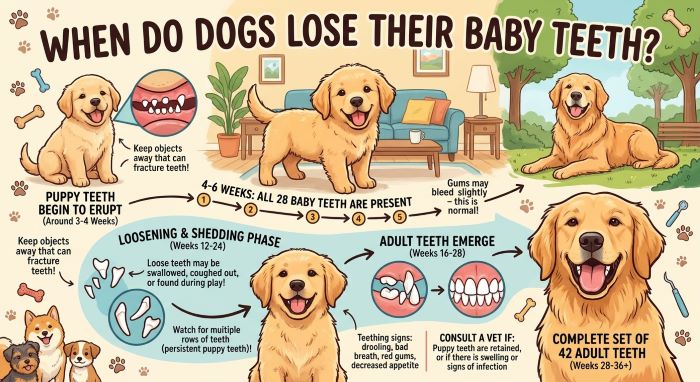
When Do Dogs Lose Their Baby Teeth?
You’re playing tug with your new puppy when you spot it: a tiny, sharp tooth sitting on the carpet. Or maybe you notice a spot of blood on a chew toy. For a moment, you might panic. Then you realize this is just part of growing up.
Puppies lose their baby teeth just like human kids do, only much faster. Knowing when do dogs lose their baby teeth, what to expect along the way, and how to help your puppy through it can make the teething stage a lot easier for both of you.
This guide covers the full puppy teeth timeline, signs of teething, ways to ease discomfort, and when to call the vet.
Do Puppies Lose Teeth?
Yes. Do puppies lose teeth? Every single one does. Dogs are born without teeth. Their first set, called deciduous teeth or milk teeth, starts coming in at a few weeks old. These are later pushed out by permanent adult teeth.
- Puppies have 28 baby teeth.
- Adult dogs have 42 permanent teeth.
The extra 14 adult teeth include molars, which puppies don’t have at all, plus additional premolars.
When Do Dogs Lose Their Baby Teeth? The Full Timeline
Here’s a general answer to when do dogs lose their baby teeth, broken down by age. It’s a timeline for most dogs. Small and large breeds can vary by a few weeks.
| Age | What Happens |
|---|---|
| 2 to 4 weeks | Baby incisors start to come in |
| 3 to 5 weeks | Baby canines appear |
| 4 to 6 weeks | Baby premolars come in |
| 6 to 8 weeks | Most or all 28 baby teeth are in |
| 12 to 16 weeks | Baby incisors begin falling out, and adult incisors come in |
| 4 to 6 months | Baby canines and premolars fall out, and adult canines, premolars, and molars come in |
| 6 to 7 months | Most puppies have all 42 adult teeth |
So, when do dogs lose their baby teeth? Most start at about 3 to 4 months old and finish by 6 to 7 months.
When Do Puppy Teeth Fall Out, Tooth by Tooth?
The order is fairly predictable:
- Incisors (the small front teeth) go first, around 3 to 4 months.
- Canines (the long, pointy fangs) come next, around 4 to 6 months.
- Premolars (behind the canines) follow, around 4 to 6 months.
- Molars come in as brand-new adult teeth, around 5 to 7 months. There are no baby molars to lose.
Signs Your Puppy Is Teething
Puppy teething can be uncomfortable. Watch for these signs:
- More chewing on toys, furniture, shoes, and hands
- Drooling more than usual
- Small spots of blood on toys or chew items
- Red, swollen gums
- Finding tiny teeth on the floor, though many get swallowed
- Mild loss of appetite for hard food
- Whining or irritability
- Bad breath in some puppies
Most of these signs are normal and short-lived.
How to Tell Baby Teeth From Adult Teeth
It’s not always easy to tell which teeth are which, especially during the switch. Baby teeth are smaller, thinner, and very sharp, almost like needles. Adult teeth are thicker, whiter, and more rounded at the base. If you’re unsure when do dogs lose their baby teeth in your own puppy’s case, lift the lip gently once a week and look. You’ll often see a new adult tooth pushing up just behind or beside a loose baby tooth. That’s normal, as long as the baby tooth falls out within a couple of weeks.
Do Puppies Swallow Their Teeth?
Often, yes. Many puppy teeth fall out while eating or chewing, and puppies simply swallow them. It’s harmless. The tiny teeth pass through the digestive system without causing problems. That’s why many owners never find more than a few.
How to Help a Teething Puppy
Teething is natural, but you can make it easier. Knowing when do dogs lose their baby teeth helps you plan, since the toughest chewing weeks usually fall between 3 and 6 months.
Give Safe Chew Toys
- Rubber teething toys that are soft enough to bend
- Freezable toys that soothe sore gums
- Puppy-specific chews designed for growing mouths
Avoid hard items like antlers, bones, and hard nylon chews during teething. They can crack teeth.
Try Cold Relief
- Freeze a wet washcloth and let your puppy chew it under supervision.
- Offer frozen carrots as a crunchy, cold treat.
- Chill rubber toys in the fridge or freezer.
Redirect Biting
Puppies explore with their mouths, and teething makes it worse.
- When your puppy bites hands, say “ouch,” stop play, and offer a toy instead.
- Praise your puppy for chewing the right things.
- Keep shoes, cords, and valuables out of reach.
Adjust Food If Needed
If your puppy seems reluctant to eat, try softening kibble with a little warm water for a few days.
Retained Baby Teeth: When to Worry
Sometimes a baby tooth doesn’t fall out even after the adult tooth comes in. This is called a retained deciduous tooth. It’s most common with canine teeth and happens more often in small and toy breeds, like Chihuahuas, Yorkshire Terriers, Pomeranians, and Maltese.
Retained teeth can cause:
- Crowding and misaligned adult teeth
- Food and plaque buildup between teeth
- Gum disease and infection
- Bite problems
What to do: If you see two teeth in the same spot, like a baby canine next to an adult canine, talk to your vet. Retained baby teeth are often removed, sometimes during a spay or neuter surgery to avoid a second round of anesthesia.
Caring for Puppy Teeth and Adult Teeth
Good dental habits start early. Here’s how to set up your puppy for a lifetime of healthy teeth:
- Start brushing early. Use a soft dog toothbrush or finger brush and dog toothpaste. Never use human toothpaste, which can contain xylitol and is toxic to dogs.
- Go slow. Let your puppy lick the toothpaste first, then brush a few teeth at a time.
- Handle the mouth. Gently touch your puppy’s lips and gums often so vet checks are easier later.
- Use dental chews. Choose ones made for puppies and sized correctly.
- Schedule checkups. Your vet will check teeth during puppy visits and can spot problems early.
Breed Differences
When do dogs lose their baby teeth if they’re tiny or giant breeds? Most dogs follow the same general schedule, but some differences exist:
- Small breeds may lose teeth a bit later and are more likely to have retained teeth.
- Large breeds often finish teething on the early side.
- Flat-faced breeds, like Pugs and Bulldogs, can have crowded teeth because of their short jaws.
If your puppy is a few weeks off the timeline, it’s usually fine. Ask your vet if teeth seem very late or crowded.
When to Call the Vet
Contact your vet if you notice:
- Retained baby teeth after 6 to 7 months
- Bleeding that doesn’t stop
- Swelling of the face or jaw
- Broken or discolored teeth
- Refusing to eat for more than a day
- Bad breath that doesn’t improve
- Signs of pain, like pawing at the mouth
Keeping Your Home Clean During Puppyhood
Teething puppies bring drool, chewed-up toy pieces, and plenty of shedding fur. A good vacuum makes a big difference, especially with heavy shedders. Our guide to the Best Vacuum for Pet Hair can help you find one that handles fur on carpets, floors, and furniture.
Final Thoughts
So, when do dogs lose their baby teeth? Most puppies begin losing them around 12 weeks and have all 42 adult teeth by 6 to 7 months. Along the way, expect chewing, drooling, and a few tiny teeth on the floor. Give safe chew toys, offer cold relief, redirect biting, and start brushing early. Watch for retained baby teeth, especially in small breeds, and check in with your vet if anything seems off. With a little patience, teething will pass, and your puppy will have a healthy adult smile.
Key Takeaways
- Puppies have 28 baby teeth and adult dogs have 42 permanent teeth, including molars that puppies don’t have.
- Baby teeth come in between about 2 and 8 weeks of age.
- Puppies usually start losing baby teeth around 12 to 16 weeks, beginning with the incisors, followed by canines and premolars.
- Most puppies have all their adult teeth by 6 to 7 months old.
- Teething signs include extra chewing, drooling, small spots of blood, red gums, and tiny teeth on the floor. Swallowing baby teeth is harmless.
- Help teething puppies with soft rubber or frozen toys, cold washcloths, frozen carrots, and redirection from hands to toys. Avoid hard chews.
- Retained baby teeth are common in small breeds and can cause crowding and gum disease. A vet may remove them, often during a spay or neuter.
- Start brushing with dog toothpaste early, never human toothpaste, and call your vet for swelling, ongoing bleeding, or refusal to eat.