Ensalada mixta does not get the attention it deserves. It sits on Spanish menus often as an afterthought, listed between soups and mains, and most people skip past it for something more dramatic. That is a mistake. A properly assembled ensalada mixta is one of the more satisfying things you can eat at the start of a meal: crisp lettuce, ripe tomato, good tuna, briny olives, egg, and a simple dressing that ties it together without trying to do too much. It is not complicated. It is also surprisingly easy to get wrong.
If you have been searching for the best ensalada mixta near me, what you are really looking for is a restaurant that takes its ingredients seriously even when the dish is not the star of the menu.
What Goes Into an Ensalada Mixta
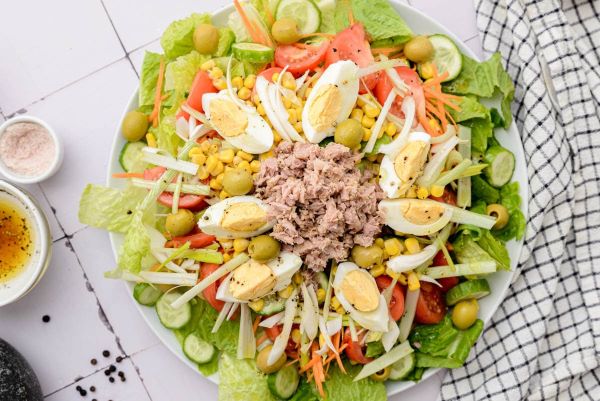
The name translates directly as “mixed salad,” which sounds generic but refers to a specific combination common across Spain. The core ingredients are iceberg or romaine lettuce, ripe tomato, canned tuna, hard-boiled egg, green or black olives, and white asparagus or roasted red peppers. Some versions add cucumber, onion, or anchovies. The dressing is almost always olive oil and sherry vinegar or red wine vinegar, applied at the table or in the kitchen just before serving.
The tuna matters more than most people expect. Spanish canned tuna, especially ventresca, which is the fatty belly portion, has a richness and texture that is completely different from standard water-packed canned tuna. A restaurant that uses good Spanish tuna in its ensalada mixta is telling you something about how it thinks about ingredients across the whole menu.
The tomatoes matter too. A watery, out-of-season tomato makes the salad flat. Good, ripe tomato anchors the whole thing.
When you search for the best ensalada mixta near me, you are looking for a kitchen that treats these details as worth getting right rather than treating the salad as a throwaway first course.
Where to Find It
Spanish restaurants and tapas bars are the obvious starting point. Almost any restaurant with a Spanish focus carries ensalada mixta, though the quality varies considerably. A restaurant that sources good Spanish ingredients for its main dishes is more likely to carry quality tuna and proper olives than one that stocks generic pantry items.
Mediterranean restaurants broadly sometimes carry a version under a different name or as part of a mixed starter. Greek and Portuguese restaurants in particular sometimes serve a similar composed salad that uses comparable ingredients.
Spanish delis and specialty grocery stores occasionally sell prepared versions or carry the specific ingredients, like ventresca tuna, white asparagus, and good olives, that you would need to assemble it yourself at home.
How to Search More Effectively
A search for the best ensalada mixta near me may not return precise results since many restaurants list it simply as “mixed salad” or “Spanish salad” on English-language menus. Here is how to find it more reliably:
Search Google Maps for Spanish restaurant or tapas bar in your area and then browse menus for the term “ensalada mixta” or look for salads described with tuna, egg, and olives as components.
Check Yelp reviews for Spanish restaurants and search within those reviews for “salad” or “ensalada.” Diners who order it will mention the tuna quality, freshness, and portion size in their reviews, which tells you more than a menu description.
Look at a restaurant’s sourcing language. Menus or websites that mention imported Spanish ingredients, specific tuna brands, or house-made dressings suggest a kitchen that takes this dish seriously.
If a restaurant carries pimientos de padron, jamón ibérico, or other quality Spanish pantry items, it is a reasonable indicator that the ensalada mixta is also being made with better ingredients than the average.
What a Good Ensalada Mixta Should Look Like
The quality of the best ensalada mixta near me shows in a few specific ways once you have the plate in front of you.
The lettuce. Cold, crisp, and dry. Wet or wilted lettuce means the salad was dressed too early or the greens were not stored properly. Iceberg is traditional and perfectly appropriate here. Do not let anyone tell you it should be arugula or mixed greens.
The tomatoes. Ripe and flavorful, not pale and watery. In season, a restaurant that sources locally will have noticeably better tomatoes. Out of season, a good kitchen will use cherry tomatoes or a variety that holds up better than standard beefsteak.
The tuna. Flaked gently, not mashed. Good canned tuna holds its texture. It should taste clean and rich, not metallic or overly fishy. Ventresca will be visibly fattier and more tender than standard tuna.
The eggs. Hard-boiled but not overcooked. The yolk should be fully set but still slightly creamy, not chalky and green-rimmed. A green-rimmed yolk means the egg sat in boiling water too long.
The dressing. Light and acidic, applied just before serving. The olive oil should taste like olive oil, not a neutral cooking fat. Too much dressing drowns the salad. Too little leaves it dry.
The olives. Whole or pitted, but not the rubbery canned black olives used for pizza. Spanish olives, manzanilla or arbequina, have a brininess and firmness that supermarket canned olives do not.
Ordering Tips
Ensalada mixta is almost always a starter or light lunch dish in Spanish dining culture. It is rarely a main course on its own, though a large portion with good bread can work as a light meal.
Order it at the start of a meal rather than alongside heavier dishes. It is designed to open the appetite, and the acidity from the dressing sets up the palate well for what follows.
Ask whether the dressing comes on the side. Some restaurants dress salads in the kitchen before they leave. If you prefer to control the amount, asking for oil and vinegar on the side is completely normal.
Pair it with something sparkling or a light white wine. The acidity and salt in the salad work well with cava or a crisp Albariño.
What to Expect on Pricing
The best ensalada mixta near me at a sit-down Spanish restaurant will typically run between $10 and $18 as a starter. Versions at casual tapas bars may be slightly less. If the menu specifies ventresca tuna or a premium ingredient, expect to be at the higher end of that range.
A very cheap version at a non-specialized restaurant is worth approaching with some skepticism. The ingredients that make ensalada mixta good are not expensive in absolute terms, but they cost more than the generic alternatives, and kitchens that cut corners on a salad usually cut corners everywhere.
Key Takeaways
- Searching for the best ensalada mixta near me is most productive when you target Spanish restaurants and tapas bars that list specific quality ingredients rather than searching the keyword alone.
- Ensalada mixta is a composed Spanish salad built on lettuce, ripe tomato, canned tuna, hard-boiled egg, olives, and white asparagus or roasted peppers, dressed with olive oil and vinegar.
- The tuna is the most important quality indicator. Spanish ventresca tuna is richer and more tender than standard canned tuna and signals a kitchen that takes sourcing seriously.
- Browse restaurant menus directly on Google Maps or Yelp rather than relying on keyword search, since many restaurants list it as “mixed salad” in English.
- A good version has crisp cold lettuce, ripe tomatoes, properly cooked eggs with no green rim, and a light dressing applied just before serving.
- Spanish olives, not standard canned black olives, are the correct choice. Their brininess and texture are part of what makes the salad work.
- Expect to pay $10 to $18 as a starter at a Spanish restaurant. Ventresca tuna versions will be at the higher end.
- Order it at the start of the meal and pair it with cava or Albariño for the best experience.