Asado negro is one of those dishes that does not translate well in a single sentence. It is a Venezuelan braised beef roast, but that description undersells it completely. The meat slow-cooks in a sauce built on caramelized sugar, red wine, and Worcestershire until the exterior turns deep mahogany, almost black, and the inside becomes fork-tender. The sauce is rich, slightly sweet, and savory in a way that is hard to place until you have had it a few times. It is Sunday food in Venezuela. The kind of dish that takes most of the day and fills a house with a smell that gets people to the table early.
Finding the best asado negro near me outside of Venezuela takes some work, but the dish has a devoted following wherever Venezuelan communities have established themselves, and more restaurants are carrying it than a few years ago.
What Asado Negro Actually Is
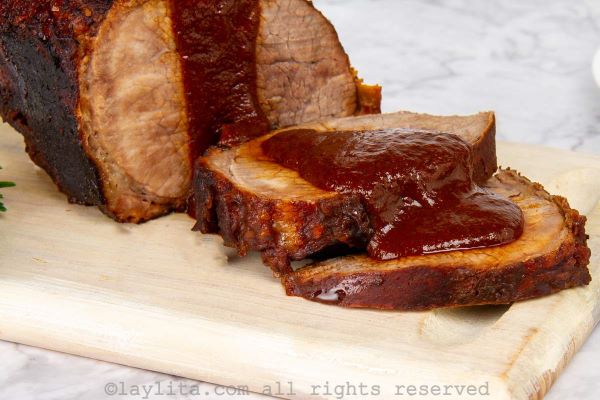
The name means “black roast,” which refers to the color the meat develops during cooking rather than any burned or charred quality. The process starts with caramelizing sugar or papelón, which is unrefined cane sugar, in a heavy pot until it darkens and smokes slightly. The beef goes in at that point and sears in the caramel, picking up color and a faint sweetness that runs through the entire dish.
From there, the braise builds with red wine, beef stock, Worcestershire sauce, onions, garlic, tomatoes, and herbs. The pot goes into a low oven or stays on a low flame for several hours. The result is a roast with a deeply lacquered exterior and a sauce thick enough to coat a spoon.
Traditional cuts include eye of round or chuck roast. Eye of round produces a firmer, more sliceable result. Chuck becomes more yielding and pulls apart more easily after a long braise. Both are legitimate. The cut tells you something about what you are getting before you taste it.
Asado negro is almost always served with white rice and tajadas, which are fried sweet plantains. Some versions include black beans or caraotas alongside. This is the traditional plate, and a restaurant that serves it this way is treating the dish with the context it deserves.
Where to Look First
Venezuelan restaurants are the primary source, and their presence varies considerably by city. Miami has the highest concentration in the United States given its large Venezuelan population. Houston, New York, Orlando, and Atlanta also have established Venezuelan restaurant scenes. In other cities, the options may be limited to one or two spots or may not exist at all.
Latin American restaurants with broad menus sometimes carry asado negro alongside dishes from multiple countries. These are worth checking, though the preparation may be less traditional than a specifically Venezuelan kitchen.
Venezuelan home cooks and pop-up vendors fill a significant gap in cities where dedicated restaurants are scarce. Instagram and Facebook groups for Venezuelan expats in your city are some of the most reliable places to find someone selling asado negro for weekend pickup or delivery.
Latin food markets and prepared food counters in cities with South American communities sometimes carry asado negro as a prepared dish, particularly on weekends when families are more likely to be eating traditional meals.
How to Search More Effectively
A search for the best asado negro near me will return useful results in cities with established Venezuelan communities, but may come up mostly empty elsewhere. Here is how to dig beyond the first page of results:
Search Google Maps for “Venezuelan restaurant” in your city and browse menus directly. Many platforms allow item-level searching within restaurant menus. Look for asado negro specifically rather than relying on restaurant names to signal what they carry.
Search Instagram with your city name and “asado negro” or “comida venezolana.” Venezuelan home cooks who take weekend orders are active on Instagram and often post photos that do not surface anywhere else.
Search Facebook for Venezuelan groups in your city or region. These communities maintain active food-sharing networks and will often recommend specific vendors or home cooks who make asado negro on a regular basis.
Check Venezuelan food delivery accounts on platforms like DoorDash or Uber Eats. Filter by Latin American cuisine and look for menus that specifically mention Venezuelan dishes. The listing descriptions will usually confirm whether the kitchen is actually Venezuelan-owned.
What a Proper Asado Negro Should Look Like
Once you find the best asado negro near me, knowing what good looks like helps you evaluate the dish when it arrives.
The exterior color. Deep brown to near-black, with a slight gloss from the sauce. If the meat looks pale or gray, the caramelization step was either skipped or underdone, and the flavor profile will be flat.
The sauce. Thick, dark, and complex. It should coat a spoon and have a balance of savory depth and subtle sweetness. A thin or watery sauce means the braise was not reduced properly. An overly sweet sauce means the sugar ratio was off or the cooking time was not long enough to develop depth.
The meat texture. This depends on the cut. Eye of round should slice cleanly and hold its shape. Chuck should be yielding but not falling apart into shreds. Either way, the meat should be completely tender with no resistance.
The sides. White rice and fried sweet plantains are the correct accompaniments. Plantains that are soft, caramelized, and slightly sweet work with the savory depth of the sauce in a way that nothing else quite matches. Underripe or barely fried plantains are a disappointment alongside this dish.
Ordering and Eating Tips
Asado negro is a main course, not a shared plate. It is a substantial, filling dish and does not need much alongside it beyond rice and plantains.
Ask the server or vendor which cut of beef they use. Eye of round is traditional in many households. Chuck is more common in restaurants because it braises more reliably in high-volume settings. Both are good, but knowing the cut helps you set expectations for texture.
If you are ordering from a home cook or pop-up, ask whether the order includes the traditional sides. Some vendors sell the asado negro alone and expect you to provide or purchase sides separately.
The dish reheats well, which is one reason it works for home cooks selling weekend batches. If you are picking up a prepared version, store it in the sauce and reheat gently on the stovetop rather than in a microwave. The sauce will stay together better and the meat will stay moist.
Pricing Expectations
A full plate of the best asado negro near me at a sit-down Venezuelan restaurant will typically run between $18 and $28 depending on the city and the restaurant. Home cook or pop-up versions sold by the portion or tray are often more affordable, in the $12 to $20 range per serving, and the quality is frequently just as good or better.
Catering trays for larger groups are common among Venezuelan home cooks and can work out to a lower per-serving cost if you are feeding a table.
Key Takeaways
- Searching for the best asado negro near me produces the best results in cities with established Venezuelan communities, including Miami, Houston, New York, Orlando, and Atlanta.
- Asado negro is a Venezuelan braised beef roast cooked in caramelized sugar, red wine, and Worcestershire until the exterior turns deep mahogany and the sauce becomes thick and complex.
- Instagram and Facebook groups for Venezuelan expats are some of the most reliable sources for finding home cooks and vendors who make this dish, especially in cities with few dedicated Venezuelan restaurants.
- The caramelization step at the start of cooking is what gives asado negro its signature color and depth. A pale or gray exterior means this step was skipped.
- Eye of round produces a firmer, sliceable result. Chuck becomes more yielding after a long braise. Both are traditional depending on the household or restaurant.
- Traditional sides are white rice and fried sweet plantains. A restaurant that serves it this way is following the dish’s proper context.
- The dish reheats well. Store it in the sauce and warm it gently on the stovetop for the best result.
- Expect to pay $18 to $28 at a sit-down restaurant, or $12 to $20 per portion from a home cook or pop-up vendor.