Argentina takes its regional empanada differences seriously, and among the most debated and most distinctive is the empanada tucumana, from the northwestern province of Tucuman. Tucuman is known throughout Argentina for its empanadas to the degree that the city of Tucuman refers to itself as the capital of the empanada, and people who have eaten a properly made tucumana understand why the claim has stuck. The filling uses beef cut by hand and cooked differently from both ground beef and the standard carne cortada a cuchillo of other regions. It is juicier, slightly spiced, and finished with egg white in a pastry that is thinner and more delicate than what most other Argentine regions produce.
Finding the best empanada tucumana near me outside of Tucuman is a specific search that requires knowing what you are looking for.
What Empanada Tucumana Actually Is
The empanada tucumana has several characteristics that distinguish it from empanadas made in other Argentine provinces.
The filling. The traditional tucumana filling uses beef cut into very small pieces, roughly the size of a large grain of rice, and cooked with onion, spring onion, cumin, pimenton, and sometimes a small amount of dried chili. Unlike the carne cortada a cuchillo of Salta, which uses larger cubes of steak, the tucumana filling uses smaller pieces from cuts that include offal in the traditional version. Many traditional recipes include small pieces of tripe, kidney, or other organ meats alongside the lean beef. The fat from the offal melts during cooking and keeps the filling moist and juicy. Restaurants outside Tucuman sometimes omit the offal and use only lean beef cut small, which produces a different but still legitimate version.
The onion in the tucumana filling is cooked until fully soft and almost melted, which helps bind the small beef pieces and adds sweetness. Hard-boiled egg is included, sliced thin or chopped. Some versions add potato. The overall character of the filling is moist, slightly spiced, and deeply savory.
The pastry. Tucumana empanada dough is thinner and more delicate than the standard Argentine lard dough. It is often made with pork fat or butter, rolled more thinly than other regional styles, and produces a pastry that is more translucent before baking and more delicate and slightly crispy when baked. The thinner shell means the filling is a higher proportion of the total bite than in thicker-pastry empanadas.
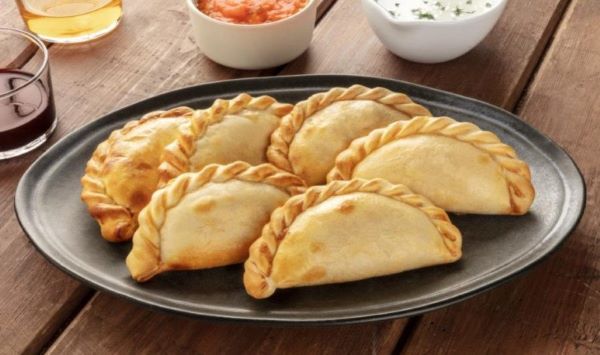
The repulgue. The tucumana uses a specific folding style called repulgue tucumano, which involves a series of small folds along the sealed edge rather than a single crimp or rope fold. This distinctive edge is both visual identification and a quality marker, since doing it properly requires practice.
The cooking. Tucumana empanadas are almost always baked rather than fried, typically in a very hot oven that produces rapid browning of the thin pastry.
When you search for the best empanada tucumana near me, the small hand-cut beef pieces, the thin delicate pastry, the distinctive repulgue, and the juice that should run when the empanada is bitten are the markers of an authentic tucumana preparation.
Where to Find It
Argentine empanada shops with regional menus that specifically identify Tucuman or northwest Argentine style are the most direct source. A shop that distinguishes between provincial empanada styles and lists tucumana as a specific option is making an active commitment to regional authenticity.
Argentine restaurants with northwestern Argentine focus sometimes carry empanada tucumana as part of a broader menu that includes other Andean Argentine preparations. A restaurant that references Tucuman, Salta, Jujuy, or the Argentine northwest on its menu is worth investigating specifically for the tucumana.
Argentine home cooks from Tucuman are often the most reliable source outside of dedicated shops. Home cooks who grew up making empanadas tucumanas will follow the traditional small-cut beef preparation and the correct thin pastry. Instagram and Facebook groups for Argentine expats, specifically those from Tucuman or the northwestern provinces, will surface these vendors.
Argentine cultural events and food festivals sometimes feature regional empanada varieties, and tucumana is one of the most frequently represented regional styles because of its fame and distinctiveness within Argentine food culture.
How to Search More Effectively
A direct search for the best empanada tucumana near me will return limited specific results in most cities. Here is how to search more productively:
Search Google Maps for Argentine empanada shop in your city and browse menus specifically for tucumana listed as a distinct filling style. A shop that uses the word tucumana rather than simply listing a beef filling is making a regional distinction worth investigating.
Search Instagram with “empanada tucumana” plus your city name. Argentine vendors from Tucuman who make the traditional version post photos and often describe the filling preparation specifically. The thin pastry and the distinctive repulgue edge are visually identifiable in a close-up photo.
Search Facebook for Argentine community groups in your city, specifically asking about empanada tucumana. Ask whether anyone from Tucuman is making or selling them. This specific regional question will surface vendors from that province who are most likely to follow the authentic preparation.
Ask any Argentine empanada vendor directly whether their tucumana uses beef cut into small pieces and whether the pastry is thin rather than standard Argentine empanada thickness. A vendor making the authentic tucumana version will confirm both and may describe the traditional offal components as well.
What Good Empanada Tucumana Should Look Like
Once you find a source, a few things confirm the quality.
The pastry. Noticeably thinner than a standard Argentine empanada, with a delicate, almost translucent quality before baking and a light, slightly crispy texture after. The pastry should be evenly thin across the entire surface, not thick in some areas and thin in others. Uneven thickness indicates the dough was not rolled consistently.
The repulgue. A series of small, tight folds along the sealed edge, uniform and close together, forming a distinctive Tucuman-style border. This specific fold is a skill that requires practice and distinguishes a vendor who learned the tucumana tradition specifically from one who is approximating the style.
The filling when bitten. Moist enough to release juice into the mouth when the empanada is bitten. A properly made empanada tucumana should be juicy because the small beef pieces and the rendered fat from the cooking process accumulate liquid inside the sealed pastry. A dry filling indicates either overcooked beef, too little fat in the preparation, or a pastry that was not properly sealed and lost its interior moisture during baking.
The beef texture. Very small pieces, irregular but uniformly tiny, visible in the filling cross-section. The softly cooked onion should be distributed through the beef rather than sitting in a distinct layer. Egg should be visible as a distinct element.
The spice balance. Warm and present from the cumin and pimenton, not sharp or aggressive. The tucumana is spiced but not as hot as the saltena from Salta. The spice should add warmth and depth rather than heat.
Ordering and Eating Tips
Eat empanadas tucumanas immediately from the oven. The thin pastry loses its delicate crispness quickly as it cools, and the interior juice redistributes through the filling as the temperature drops. A fresh empanada tucumana eaten within five minutes of baking is significantly better than one that has been sitting for 30 minutes.
In Tucuman, it is traditional to eat the empanada by biting off one end and sucking out the juice before eating the rest. This prevents the juice from running down your hand and also ensures you taste the filling liquid separately from the solid components. Trying this method even once gives you a different understanding of why the filling moisture is so central to the tucumana experience.
Order multiple to compare if the shop carries both tucumana and other regional styles. Eating a tucumana alongside a saltena or a cordobesa empanada in the same session makes the regional differences immediately apparent in a way that is interesting and worth experiencing.
Pricing Expectations
Individual empanadas tucumanas at an Argentine empanada shop typically run between $4 and $7 each depending on size and market. The thin pastry and careful small-cut beef preparation sometimes place them at the slightly higher end of the price range compared to a standard ground beef empanada. Home baker versions sold through batch orders are often priced similarly. A half dozen runs between $20 and $36.
Key Takeaways
- The best empanada tucumana near me is most reliably found at Argentine empanada shops that specifically list tucumana as a regional style, through home cook vendors from Tucuman province on Instagram and Facebook, and at Argentine cultural events with northwest Argentine food representation.
- Empanada tucumana uses beef cut into very small pieces and cooked with onion, cumin, and pimenton in a thin, delicate pastry with a distinctive repulgue fold. It is juicier, thinner-crusted, and more delicately spiced than empanadas from other Argentine provinces.
- The thin pastry, the distinctive tucumano repulgue fold, and the juice released when bitten are the three primary quality markers.
- Traditional versions include offal alongside lean beef for added fat and moisture. Restaurant versions outside Tucuman often use only lean beef cut small, which is an acceptable adaptation.
- Ask any vendor whether the pastry is thin tucumana-style and whether the beef is cut into small pieces. These two questions confirm whether the regional preparation is being followed.
- Eat immediately from the oven. The thin pastry loses crispness quickly and the interior juice redistributes as the empanada cools.
- The traditional eating method involves biting off one end to sip the filling juice before eating the rest. This is worth trying at least once to understand why filling moisture is so central to this style.
- Expect to pay $4 to $7 per empanada and $20 to $36 for a half dozen at an Argentine shop or from a home cook vendor.