Sushi Nigiri Eel Near Me
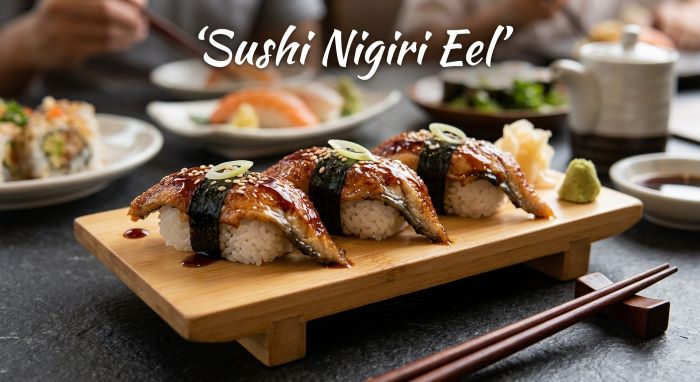
Some sushi pieces are all about the fish. Eel nigiri is all about the glaze. A warm, glossy strip of eel sits on a small bed of rice, brushed with a sweet, smoky sauce and sometimes tied down with a thin band of nori. The fish is soft and rich, the sauce is caramel-sweet, and the rice soaks up just enough of both.
For many people, eel is the gateway into sushi. It’s cooked, it’s sweet, and it doesn’t taste “fishy.” If you’re searching for sushi nigiri eel near me, this guide explains the two main types of eel, where to find great versions in the US, what to pay, and how to judge the quality of what lands on your plate.
What Is Eel Nigiri?
Nigiri is a slice of topping pressed onto a small oval of seasoned sushi rice. With eel, the topping is always cooked, never raw. Raw eel blood is toxic to humans, so eel is grilled, steamed, or simmered before it’s served.
There are two main types you’ll see on menus:
Unagi (Freshwater Eel)
Unagi is freshwater eel. It’s grilled over charcoal and basted with tare, a thick sauce made from soy sauce, mirin, sugar, and sake. The result is rich, fatty, smoky, and sweet. In Japan, unagi is so prized that there’s a summer holiday, Doyo no Ushi no Hi, when people eat it for stamina.
Anago (Saltwater Eel)
Anago is saltwater conger eel. It’s usually simmered in a light, sweet broth, then lightly grilled or served soft. It’s more delicate, fluffier, and less oily than unagi. Sushi chefs often brush it with a thin, sweet sauce called tsume and sometimes finish it with a pinch of salt.
| Feature | Unagi | Anago |
|---|---|---|
| Type | Freshwater eel | Saltwater conger eel |
| Cooking | Grilled with tare | Simmered, then lightly grilled |
| Texture | Rich, firm, fatty | Soft, fluffy, delicate |
| Sauce | Thick, sweet tare | Lighter tsume or salt |
| Where you’ll see it | Most sushi restaurants | Higher-end sushi bars and omakase |
Sushi Nigiri Eel Near Me: Where to Look
Your sushi nigiri eel near me search will turn up plenty of options, since eel nigiri appears on almost every sushi menu in the US, from strip-mall spots to high-end omakase counters. Quality varies a lot, though. Here are places and types of restaurants worth checking.
1. Toku Unagi (West Hollywood, California)
Toku Unagi on La Cienega Boulevard is known as Los Angeles’s first eel specialist. Its star is the unagi set, served in a lacquered box with miso soup, pickles, and a pot of tea to pour over the eel and rice. Sets run about $53 to $98. It also offers sushi, including fish flown in from Japan.
2. Unagi (Nolita, New York City)
This New York spot on Kenmare Street focuses on eel. Chefs grill eels in the dining room and serve them with traditional accompaniments like sansho pepper, seaweed, and pickles. It’s a great place to taste how good freshly grilled eel can be.
3. Omakase Counters
High-end omakase restaurants often serve anago as one of the final pieces of the meal. It’s a sign of a chef’s skill, since good anago takes careful simmering. If you see omakase in your area, it’s often your best bet for top-tier eel.
4. Neighborhood Sushi Bars
Your local Japanese restaurant near me search will turn up plenty of places with unagi nigiri. Many popular local spots share common names like Wasabi Sushi or Yoshi Sushi, and quality depends on the kitchen more than the name. Check recent reviews and photos.
5. All You Can Eat Sushi
All you can eat sushi restaurants nearly always serve eel nigiri and eel rolls. It’s a budget-friendly way to try it, though the eel is usually pre-cooked and packaged rather than grilled in house.
6. Japanese Grocery Stores
Mitsuwa, Nijiya, and other Japanese markets often sell sushi platters with eel, along with vacuum-packed grilled unagi you can warm up at home.
Quick Comparison Table
| Option | Eel Type | Price per Piece | Best For |
|---|---|---|---|
| Eel specialist (Toku Unagi, Unagi NYC) | Unagi | Sets $50 and up | Fresh, house-grilled eel |
| Omakase counter | Usually anago | Part of tasting menu | Top quality and craft |
| Neighborhood sushi bar | Usually unagi | $4 to $8 | Everyday cravings |
| All you can eat sushi | Unagi | Included | Budget and variety |
| Japanese grocery | Unagi | $15 to $30 per pack | Making it at home |
How Much Does Eel Nigiri Cost?
Before you search for sushi nigiri eel near me, it helps to know what to pay. Eel is one of the pricier items on most sushi menus because freshwater eel is expensive to raise and prepare. Here’s a rough guide:
- Casual sushi bars: $4 to $8 per piece, or $8 to $14 for two pieces
- Mid-range restaurants: $6 to $10 per piece
- Omakase: Included in tasting menus that often start at $100 and up
- Sushi platter near me searches: Mixed platters with eel usually run $25 to $60, depending on size
How to Judge Good Eel Nigiri
Once your sushi nigiri eel near me search pays off, here’s what separates great from average:
- Warm eel. It should be served slightly warm, not cold from the fridge.
- Light char. A gentle smoky edge shows it was grilled or torched before serving.
- Glossy, not gloppy, sauce. The glaze should coat the eel lightly, not pool on the plate.
- Tender texture. Unagi should be soft but hold its shape. Anago should feel fluffy.
- Good rice. Body-temperature rice that holds together but falls apart in your mouth.
- No muddy taste. Fresh eel tastes clean and sweet.
Eel Nigiri vs. Eel Rolls
Eel shows up in more than nigiri, so a sushi nigiri eel near me search may also turn up these dishes. Here’s how the options compare:
- Nigiri: One slice on rice. The best way to taste the eel itself.
- Unagi roll: Eel rolled with rice and nori, sometimes with cucumber.
- Dragon roll: A shrimp tempura or cucumber roll topped with sliced eel and avocado.
- Caterpillar roll: Eel and cucumber inside, avocado on top.
- Unadon or unaju: Grilled eel over a bowl of rice. A full meal, not sushi.
Can You Make Eel Nigiri at Home?
Yes, and if your sushi nigiri eel near me search comes up short, it’s easier than most sushi to make since eel is sold pre-cooked. Look for frozen grilled unagi at Asian markets.
- Make sushi rice with short-grain rice seasoned with rice vinegar, sugar, and salt.
- Warm the eel under a broiler or with a kitchen torch until bubbling.
- Slice into pieces about 1 by 3 inches.
- Form small rice ovals with wet hands.
- Top with eel and brush with unagi sauce.
For raw fish nigiri, you’d need to shop for sushi grade fish near me at a trusted fishmonger. Eel skips that step since it’s already cooked.
Explore More Japanese Bites
Love sushi? Japan’s rice balls are a great casual alternative, wrapped in nori and filled with salmon, tuna mayo, or pickled plum. Find a good one with our guide to Onigiri Near Me.
If you want to branch out on the nigiri menu, try other cooked toppings too. Tender, sweet octopus is a classic, and our guide to Sushi Nigiri Octopus Near Me shows what to look for. Poached shrimp nigiri is another gentle starter, and you can learn more in our guide to Sushi Nigiri Shrimp Near Me.
When you want something warm and hearty after sushi, a bowl of noodles is hard to beat. Searching for the best ramen near me often turns up spots that serve both.
Final Thoughts
Your search for sushi nigiri eel near me can lead anywhere from a neighborhood sushi bar to a dedicated eel specialist. For the freshest grilled eel, try places like Toku Unagi in West Hollywood or Unagi in New York. For refined anago, book an omakase counter. And for an easy everyday fix, nearly any sushi spot will have unagi nigiri on the menu. Look for warm eel, a light char, and a glossy glaze, and you’ll know you’ve found a good one.
Key Takeaways
- Eel nigiri is always cooked, since raw eel blood is toxic. It’s served warm with a sweet glaze on seasoned rice.
- Unagi is freshwater eel grilled with thick, sweet tare. Anago is saltwater conger eel, simmered and softer, often served at higher-end sushi bars.
- Toku Unagi in West Hollywood and Unagi in New York’s Nolita specialize in eel. Toku’s unagi sets run about $53 to $98.
- Omakase counters often serve anago, while neighborhood sushi bars and all you can eat spots usually serve unagi.
- Expect to pay about $4 to $10 per piece at most sushi restaurants.
- Good eel nigiri is warm, lightly charred, glossy but not gloppy, tender, and served on body-temperature rice.
- You can make eel nigiri at home with frozen grilled unagi from Asian markets, a torch or broiler, and simple sushi rice.