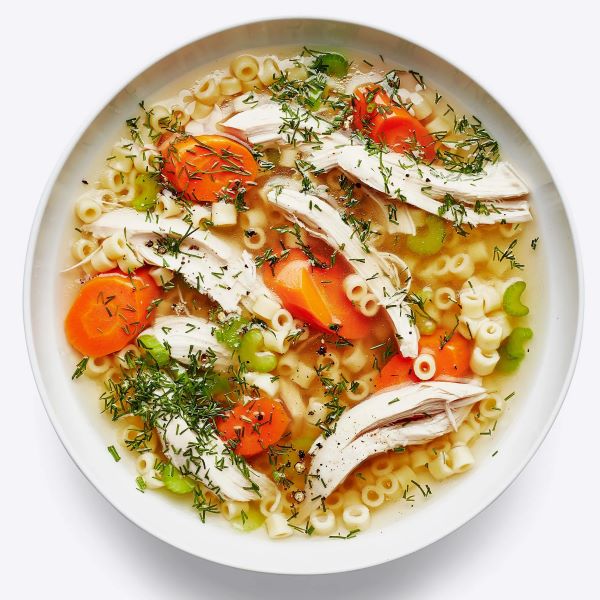
Chicken noodle soup is one of those dishes where most people have stopped expecting much. It shows up at every diner, every deli, every fast casual restaurant as a safe menu item that nobody gets excited about and nobody sends back. The truly good version, made from a rich, long-simmered broth with actual chicken flavor, tender but not falling-apart noodles, and vegetables that still have some character, is a different experience from the pale, thin liquid with soft noodles and overcooked carrots that most restaurants serve under the same name.
Finding the best chicken noodle soup near me means knowing what to look for and which types of restaurants take the trouble to make it properly.
What Makes a Good Chicken Noodle Soup
The quality of chicken noodle soup lives or dies in the broth. Everything else, the noodles, the vegetables, the chicken itself, derives most of its character from what was in the pot during the long initial simmer.
The broth. A properly made chicken broth uses a whole chicken or chicken bones with some meat attached, cooked at a gentle simmer for two to three hours with onion, celery, carrot, peppercorns, and bay leaves. The simmer must be gentle. A rolling boil extracts fat and protein in a way that makes the broth cloudy and slightly greasy. A gentle simmer produces a clear, golden broth with a clean, deep chicken flavor. The finished broth should taste of chicken without needing salt added at the table, should have a slight body from the gelatin dissolved from the bones, and should smell of the aromatic vegetables that cooked through it.
Commercial broth from a carton produces a flat, slightly metallic result that no amount of additional seasoning fully corrects. A restaurant using homemade broth will produce a noticeably richer, more complex soup than one using commercial stock, and this is the single most important quality differentiator across every chicken noodle soup you will ever eat.
The chicken. Properly shredded or sliced poached chicken that is tender without being stringy or dry. Overcooked chicken breaks into dry, cottony fibers that dissolve unpleasantly in the broth. Properly cooked chicken tears into clean, juicy pieces that hold their moisture even after being added back to the hot liquid.
The noodles. Egg noodles are the traditional choice, and their slight richness from the egg in the dough adds to the overall character of the soup. The noodles should be cooked separately from the broth and added just before serving, or cooked in the broth for the minimum time needed to reach the right texture. Noodles that have been sitting in hot liquid for hours become bloated, soft, and fall apart in the spoon.
The vegetables. Carrot, celery, and onion that are cooked until tender but still retain some distinct form. Vegetables that have completely fallen apart and dissolved into the broth were cooked too long or added too early.
When you search for chicken noodle soup near me, asking whether the broth is made in-house is the single most useful question before ordering.
Where to Find It
Jewish delis are among the most reliable sources for properly made chicken noodle soup. The matzo ball soup tradition in Jewish deli cooking requires genuine, rich chicken broth as its base, and a deli that makes good matzo ball soup is almost certainly using the same broth for its chicken noodle soup. Cities with established Jewish delis, including New York, Los Angeles, Chicago, and Miami, have multiple options.
Diners with long-established menus that have been serving chicken noodle soup for decades often develop consistent, practiced approaches to the dish. A diner that has been making the same soup recipe for thirty years will have refined it far beyond what a newer restaurant produces on a whim.
Southern-style home cooking restaurants sometimes carry chicken noodle soup alongside other comfort food preparations and treat the broth with the same respect given to their other long-cooked dishes.
Vietnamese pho restaurants are an indirect source worth considering. While pho is a different dish, a Vietnamese restaurant that makes exceptional bone broth for its pho is demonstrating the capacity for exactly the kind of broth quality that makes chicken noodle soup worth eating. Some Vietnamese restaurants carry a simple chicken noodle preparation alongside their pho menu.
Ramen shops and noodle-focused restaurants that carry chicken broth-based preparations sometimes produce a chicken noodle soup as a simpler menu option alongside their main dishes, using the same high-quality broth infrastructure.
How to Search More Effectively
A search for chicken noodle soup near me will return hundreds of results ranging from fast food chains to fine dining. Here is how to narrow it down:
Search Google Maps for Jewish deli or diner in your city and look specifically at menu descriptions for chicken soup. A menu that mentions house-made broth, simmered broth, or fresh daily is making a specific claim about its preparation process.
Search Yelp for chicken soup specifically and read reviews that describe the broth depth and richness. Reviewers who know what good chicken noodle soup tastes like will describe whether the broth was clear and deep-flavored or pale and flat. These descriptions appear frequently in reviews from diners who order this dish specifically when they are sick or seeking genuine comfort.
Search Instagram with “chicken noodle soup” plus your city name. Restaurants that take their soups seriously post photos, and the color of a properly made chicken broth, deep golden and slightly translucent, is immediately distinguishable from a pale commercial stock in a photo.
Ask any restaurant directly whether the broth is made in-house from whole chickens or from commercial stock. A kitchen making it from scratch will answer with genuine enthusiasm about their process. A kitchen using commercial broth will either confirm it or give a vague non-answer.
What Good Chicken Noodle Soup Should Look Like
Once you find a source and the bowl arrives, a few things immediately tell you whether the kitchen made it properly.
The broth color. Deep golden to amber, slightly translucent rather than completely clear or murky. A pale, almost colorless broth was made from commercial stock or from chicken with insufficient collagen and fat. A cloudy, opaque broth was boiled rather than simmered. The golden color comes from the caramelization of the vegetables in the broth and the fat rendered from the chicken during the long gentle simmer.
The broth surface. Small droplets of fat visible on the surface, distributed across the liquid rather than pooled in one area. These fat droplets are not a flaw. They indicate that the broth was made from real chicken with skin and fat, which is what produces flavor. A broth with no visible fat was either made with no chicken fat or was skimmed so aggressively that the flavor was lost along with the fat.
The broth body. A properly made chicken broth from bones has gelatin dissolved into it, which gives the liquid a slight body and viscosity. When you dip a spoon in and lift it, the broth should coat the spoon slightly rather than running off immediately. Broth that runs off like water was made from boneless chicken or commercial stock without sufficient collagen.
The chicken pieces. Moist, cleanly shredded, and distributed through the soup. Each bite should contain chicken that has some texture and moisture without being stringy or dry.
The noodles. Tender but still with a slight bite, not bloated and falling apart. Egg noodles at the right texture have a pleasant chewiness and maintain their form when you lift them from the broth on a spoon.
Ordering and Eating Tips
Order chicken noodle soup as a starter or a light meal rather than alongside a heavy main course. It is filling enough on its own with bread and is most satisfying when it is the focus of the meal.
Ask whether the soup is made to order or has been sitting in a pot on the line. A soup that has been maintained for hours at temperature will have softer noodles and less distinct vegetables than one made in batches throughout service. Some restaurants make the broth in large batches but add the noodles per order, which produces the best result.
Eat it hot. Chicken noodle soup drops temperature quickly, particularly in a wide, shallow bowl. Eat promptly after it arrives for the best experience of both the broth flavor and the noodle texture.
Add salt gradually rather than immediately. A properly seasoned homemade broth may taste slightly underseasoned at first but develops its full flavor as you drink through the bowl. A commercially produced broth often tastes saltier than it is good.
Pricing Expectations
A bowl of chicken noodle soup near me at a diner or deli typically runs between $8 and $16 depending on the size and the market. Jewish deli chicken soup tends to be at the higher end of that range, reflecting the time and ingredient cost of making proper broth from scratch. Fast casual and chain versions run $6 to $10 but do not represent the quality of a scratch-made version.
Key Takeaways
- Finding quality chicken noodle soup near me is most reliable at Jewish delis, long-established diners, and Southern-style home cooking restaurants that make their broth from scratch rather than from commercial stock.
- The broth is everything. A deep golden, slightly viscous, bone-made broth from a long gentle simmer produces a completely different soup from commercial carton stock.
- Ask directly whether the broth is made in-house. This single question predicts quality more reliably than any other factor.
- A deep golden broth color, small fat droplets on the surface, and a slight body from dissolved gelatin confirm from-scratch preparation.
- Noodles should be tender with a slight bite, not bloated and dissolving. Ask whether noodles are added per order or have been sitting in the pot.
- Search Yelp reviews specifically for descriptions of broth depth and richness. Reviewers who know good chicken soup will describe these details clearly.
- Eat it hot and promptly. Chicken noodle soup loses temperature quickly and the noodle texture declines as the bowl cools.
- Expect to pay $8 to $16 at a deli or diner for a properly made version, with Jewish deli versions at the higher end of that range.