Gambas al ajillo is one of those dishes that looks simple until you taste a bad version and realize how much can go wrong in a few minutes of cooking. Shrimp, olive oil, garlic, dried chili, and a splash of sherry or white wine. That is the whole list. When the timing is right and the ingredients are good, the oil becomes a garlicky, lightly spiced sauce that you want to drag bread through until the dish is empty. When it goes wrong, you get overcooked shrimp sitting in greasy oil with raw garlic that burns rather than warms.
If you have been searching for the best tapas gambas al ajillo near me and keep landing on places that serve a pale version of this dish, this guide gives you a clearer path to finding it done properly and knowing what to look for when you sit down.
What Gambas al Ajillo Actually Is
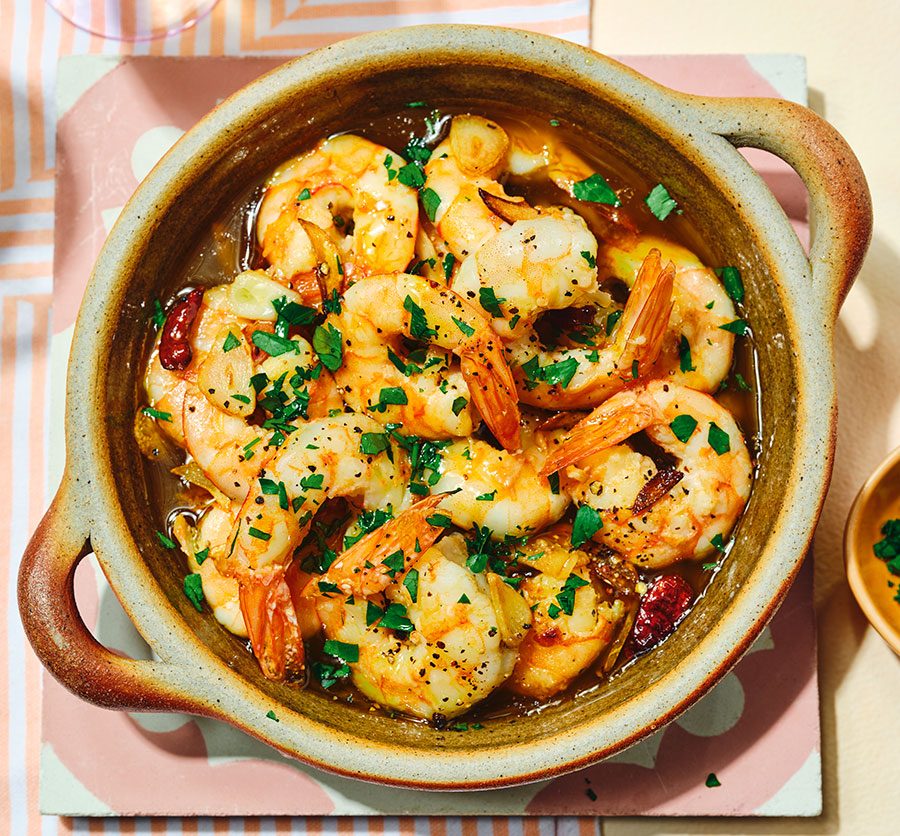
The name translates directly as prawns with garlic, and it is one of the most common tapas dishes across Spain. The preparation is fast, which is both its strength and its weakness. The oil goes into a small clay dish called a cazuela, heats until shimmering, then the garlic slices and dried chili go in briefly before the shrimp follow. Everything is done in under three minutes if the heat is right. The shrimp should be just cooked through, still tender, with a faint snap when you bite them. The oil absorbs the garlic, the chili, and the natural liquid from the shrimp, becoming a sauce that is more than the sum of its parts.
The sherry is not optional in a traditional version. A splash of fino or dry manzanilla sherry goes in as the shrimp cook and lifts the bottom of the pan, adding a saline, slightly nutty note that rounds out the garlic and chili heat. Some restaurants use white wine instead, which works but produces a different character. Skipping the wine entirely leaves the dish flat.
The cazuela matters too. Serving gambas al ajillo in a small clay dish keeps the oil hot all the way to the table and continues cooking the shrimp slightly as you eat. A metal bowl or a plate cools too fast and the oil congeals before you finish.
When you search for the best tapas gambas al ajillo near me, these details are what separate a kitchen that understands the dish from one that does not.
Where to Look First
Spanish tapas bars and restaurants are the obvious starting point. Gambas al ajillo appears on almost every tapas menu in Spain and on most Spanish restaurant menus outside of it. The quality range is wide, so knowing which restaurants take their seafood seriously narrows the field.
Andalusian-focused restaurants tend to execute gambas al ajillo particularly well because the dish has strong roots in southern Spanish coastal cooking. A restaurant that references Andalusian or southern Spanish cuisine on its menu is worth prioritizing.
Spanish restaurants that source fresh seafood rather than frozen shrimp will produce a noticeably better result. A restaurant that describes its seafood sourcing or changes its menu based on availability is a stronger indicator of quality than one with a static menu year-round.
Seafood-focused Mediterranean restaurants sometimes carry gambas al ajillo or a close equivalent under a different name. Greek, Portuguese, and Italian coastal restaurants occasionally make garlic shrimp preparations that follow similar logic, and while not identical, a well-executed version from any of these kitchens satisfies the same craving.
How to Search More Effectively
A search for the best tapas gambas al ajillo near me will surface Spanish restaurants in your area, but not always the ones getting this dish right. Here is how to narrow it down:
Search Google Maps for Spanish restaurant or tapas bar and browse menus directly. Look for gambas al ajillo listed as a tapas item alongside other seafood dishes. A restaurant with a strong seafood tapas section is more likely to be sourcing and handling shrimp with care.
Search Yelp for Spanish or tapas restaurants and read reviews that mention gambas or garlic shrimp specifically. Reviewers who know the dish will comment on whether the shrimp were overcooked, whether the oil was properly infused, and whether the bread served alongside was adequate for soaking.
Search Instagram with “gambas al ajillo” plus your city name. Spanish restaurant accounts post this dish regularly because it photographs well in the clay dish with the oil still bubbling. A restaurant that presents it in a cazuela rather than a plate is following the traditional format.
Ask the restaurant whether they use fresh or frozen shrimp before you go. A kitchen that is proud of its seafood sourcing will answer directly. Evasive answers usually mean frozen.
What Good Gambas al Ajillo Should Look Like
Once the dish arrives, a few things tell you whether the kitchen executed it properly.
The shrimp. Pink and curled but not tightly coiled. A shrimp that has curled into a tight C-shape was overcooked. One that is still slightly translucent in the thickest part is undercooked. The correct result is fully pink and opaque, with a texture that yields without resistance and holds some moisture inside.
The garlic. Golden at the edges but not brown. Garlic that has been taken past golden turns bitter and dominates the dish in an unpleasant way. Pale, barely cooked garlic tastes raw and sharp. The color of the garlic slices is the clearest indicator of whether the heat and timing were right.
The oil. Infused with garlic and chili flavor, slightly reddish from the dried pepper, and still warm enough to be slightly fluid in the dish. Oil that has separated or looks greasy rather than emulsified was either not hot enough to start or had too much moisture added.
The chili. Present as heat in the background, not as a dominant flavor. Gambas al ajillo should have a warmth that builds slightly as you eat, not a sharp burn that hits immediately. A restaurant that uses too much chili or leaves it in the oil too long before the shrimp go in will produce a dish that is unbalanced toward heat.
The presentation. A bubbling or still-warm cazuela arriving at the table with bread on the side is the correct format. A plate that has clearly been sitting in a kitchen pass for several minutes before reaching you will have cooler oil and slightly tougher shrimp.
Ordering Tips
Gambas al ajillo works best as part of a wider tapas spread rather than as a standalone dish. Order it alongside something green and fresh, like a simple salad or pimientos de padron, to balance the richness of the garlic oil.
Order bread specifically if it does not arrive automatically. The oil left in the cazuela at the end is the best part of the dish, and eating it without something to soak it up is a waste.
Time your order so gambas al ajillo arrives mid-meal rather than first. As a true tapas experience, the dish is better when you have already eaten something light and have room to enjoy it without rushing.
Pair it with a glass of cold fino sherry or a crisp Albariño. Both have the acidity and salinity to cut through the garlic oil and complement the shrimp without competing.
Pricing Expectations
A tapas portion of the best tapas gambas al ajillo near me at a Spanish restaurant typically runs between $14 and $22 depending on the size of the shrimp, the number in the portion, and the restaurant’s market. Restaurants using fresh, large prawns rather than small frozen shrimp will be at the higher end of that range. Casual tapas bars tend to price it between $12 and $16.
A very low-priced version at a non-specialized restaurant is worth approaching with caution. Good shrimp costs money, and a $9 gambas al ajillo at a restaurant without a seafood focus is almost certainly using small frozen shrimp cooked without the care the dish requires.
Key Takeaways
- The best tapas gambas al ajillo near me is most reliably found at Spanish tapas bars and Andalusian-focused restaurants that source fresh seafood rather than using frozen shrimp year-round.
- Gambas al ajillo is shrimp cooked quickly in very hot olive oil with sliced garlic, dried chili, and a splash of fino sherry. The oil becomes the sauce, and every element depends on timing and heat.
- The color of the garlic slices is the clearest quality indicator. Golden-edged but not brown means the timing was right. Pale means undercooked. Dark brown means overcooked and bitter.
- Shrimp should be fully pink and opaque but not tightly curled. A tight C-shape means they were overcooked and will be rubbery.
- Search Instagram with your city name and “gambas al ajillo” to find restaurants that serve it in a traditional cazuela, which keeps the oil hot to the table.
- Always order bread alongside. The infused garlic oil left in the dish at the end is worth eating, and a restaurant that does not offer bread with this dish has not thought the experience through.
- Pair with cold fino sherry or Albariño for the best balance against the garlic and chili heat.
- Expect to pay $14 to $22 at a Spanish restaurant, with the higher end reflecting fresh large prawns rather than small frozen shrimp.