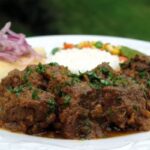
Empanadas de cazón are one of the defining street foods of the Costa de la Luz, the Atlantic coast of Andalusia in southern Spain. Cazón, which is small dogfish or small shark, is marinated in vinegar with cumin, garlic, and paprika in a preparation called adobo, then battered and fried. The empanada version takes the same marinated fish and wraps it in a thin dough before frying, producing a pastry with a filling that is simultaneously tender, aromatic with cumin and vinegar, and oceanic in a way that is specific to this coastal tradition.
If you have been searching for the best empanadas de cazón near me outside of Cadiz or Seville, you are looking for one of the most regional and least exported dishes in Spanish cooking, and this guide gives you a realistic path to finding it.
What Empanadas de Cazón Actually Are
Cazón en adobo is the parent preparation. Small pieces of dogfish or small shark are marinated in a mixture of white wine vinegar, garlic, cumin, paprika, and sometimes oregano for several hours, during which the acid from the vinegar begins to cure the fish and the spices penetrate deeply into the flesh. The adobo-marinated cazón is then battered and fried as individual pieces, which is how it is most commonly sold at freidurías along the Andalusian coast.
The empanada version of this preparation wraps the marinated cazón in a thin wheat dough before frying. The dough acts as a second layer of crust around the already-marinated fish, and the combination of the spice-infused fish and the fried pastry exterior produces a result that is more complex than either element alone. The vinegar in the marinade keeps the fish moist during frying and the cumin aroma is present in every bite.
Empanadas de cazón are small, individually sized pastries fried in olive oil or a neutral frying oil until golden. They are eaten hot, typically as a tapa, a street food snack, or a starter before a seafood meal. They are not a main course portion.
The cazón itself is worth understanding. Dogfish and small shark species are common throughout the Atlantic and Mediterranean and are inexpensive, widely available, and suitable for the adobo preparation because their firm white flesh holds up well to both acid marination and frying without falling apart. In markets where dogfish is not specifically available, other firm white fish like haddock or mahi-mahi can be substituted in the marinade, though the flavor will differ from the traditional cazón.
When you search for the best empanadas de cazón near me, the adobo marinade with cumin and vinegar is what defines the filling. A filling without this specific marinade flavor profile is not cazón en adobo and produces a different result.
Where to Find It
Spanish restaurants with Andalusian menus are the primary source outside of Spain. A restaurant that specifically references Andalusian coastal cooking, the Costa de la Luz, or Cadiz-style food is more likely to carry empanadas de cazón than a general tapas bar. Look for restaurants that also carry other Andalusian specialties like tortillitas de camarones, chocos fritos, or ortiguillas.
Spanish freidurías and fried fish restaurants that carry Andalusian-style fried seafood sometimes offer empanadas de cazón alongside other battered and fried fish options. These are casual, counter-service operations focused on fried seafood rather than full-menu restaurants.
Spanish cultural events and Andalusian community gatherings sometimes feature empanadas de cazón as part of a traditional food spread. Events organized by Andalusian associations or Spanish cultural centers with Andalusian membership are worth checking for this specific dish.
Spanish specialty food importers sometimes carry frozen empanadas de cazón from Andalusian producers. These are a practical option for cities without Spanish restaurants specializing in Andalusian cooking, though frozen versions lack the immediate freshness of a properly fried empanada.
How to Search More Effectively
A direct search for the best empanadas de cazón near me will return very limited results in most cities outside of Spain. Here is how to search more effectively:
Search Google Maps for Spanish restaurant in your city and look for menus that include Andalusian seafood specialties. A menu that carries multiple fried seafood tapas, particularly ones referencing the Cadiz or Seville tradition, is more likely to also carry empanadas de cazón or to make them on request.
Search Instagram with “empanada cazon” broadly to understand what the finished product looks like and identify any restaurants in your region posting the dish. Even a single local post indicates a Spanish restaurant taking Andalusian cooking seriously enough to make this preparation.
Search Facebook for Spanish community groups in your city, particularly those with members from Cadiz, Huelva, or Seville. Andalusian expats who miss their home food will know whether any local restaurant or home cook makes empanadas de cazón and will share that information directly.
Contact Spanish cultural organizations in your city and ask specifically about Andalusian food events. These organizations sometimes organize food events around regional Spanish traditions and may know vendors or home cooks who make empanadas de cazón.
Search online Spanish food retailers for cazón or for the adobo marinade mixture. While empanadas themselves do not ship well, some Spanish retailers carry frozen versions that may be worth ordering if you have no local options.
What Good Empanadas de Cazón Should Look Like
If you find a source, a few things confirm whether the preparation was done properly.
The exterior. Evenly golden from frying in properly heated oil, with no pale patches or dark burned spots. The dough should be thin enough to be slightly translucent at the edges and crisp rather than thick and bready. A thick, pale dough that has absorbed too much oil was either fried at too low a temperature or made with too much dough relative to filling.
The filling aroma. The cumin and vinegar from the adobo marinade should be perceptible when the empanada is broken open. This distinctive spice and acid aroma is the most immediate identifier of proper cazón preparation. A filling that smells only of fish without any spice character was not marinated in adobo.
The fish texture. Moist, flaking in large pieces, and holding together within the pastry rather than crumbling to fragments. The acid in the adobo tenderizes the fish during marination, and properly marinated cazón should be noticeably more tender and flavorful than unmarinated fish.
The cumin flavor. Present in every bite alongside the vinegar brightness and the oceanic quality of the fish. Cumin is the defining spice in the adobo marinade and should be unmistakable without being overwhelming. A version without cumin or with only a faint trace is using the wrong marinade ratio.
The serving temperature. Hot from the fryer, eaten immediately. Empanadas de cazón cool quickly and lose their crispness within minutes of leaving the oil. A properly fried empanada de cazón is best in the first two minutes after frying.
Ordering and Eating Tips
Order empanadas de cazón as a tapa or starter rather than a main course. They are street food portion-sized and work best as part of a broader tapas spread alongside other Andalusian preparations.
Eat them immediately after they arrive at the table. The pastry crust is at its best within the first few minutes of frying, and a cazón empanada that has cooled to room temperature has lost the crispness that makes it worth eating over the baked Galician format.
A squeeze of fresh lemon over the empanada just before eating is optional but traditional in many Andalusian preparations of fried fish. The acid from the lemon adds a brightness that complements both the vinegar in the adobo and the richness of the fried pastry.
Pair with a glass of cold manzanilla sherry, which is the traditional drink alongside fried seafood in the coastal Andalusian tradition. The saline, dry quality of manzanilla from Sanlucar de Barrameda specifically is the pairing that makes most sense with cazón en adobo in any form.
Pricing Expectations
Given how rarely empanadas de cazón appear on restaurant menus outside of Andalusia, pricing expectations are difficult to generalize. At a Spanish restaurant with Andalusian focus that carries them as a tapa, expect $8 to $16 for a serving of two to four pieces. Event and festival versions are often priced lower as individual items.
Key Takeaways
- The best empanadas de cazón near me are most reliably found at Spanish restaurants with specific Andalusian coastal menus and at events organized by Andalusian or Spanish cultural communities rather than through general tapas bar searches.
- Empanadas de cazón are small fried pastries filled with dogfish or small shark marinated in adobo, a mixture of white wine vinegar, cumin, garlic, and paprika. The adobo marinade defines the dish and is not optional.
- The cumin and vinegar aroma when the empanada is broken open is the most immediate quality marker. A filling without this specific spice and acid character was not made with proper adobo marinade.
- Search Instagram with “empanada cazon” broadly and Facebook Andalusian community groups in your city for the most productive local search results.
- Eat them immediately after frying. The pastry crispness that makes them worth eating is present only in the first few minutes after they leave the oil.
- Pair with cold manzanilla sherry. This is the traditional Andalusian coastal pairing for cazón preparations in any form.
- A squeeze of lemon just before eating adds brightness that complements the vinegar in the marinade and the richness of the fried exterior.
- Expect to pay $8 to $16 for a tapa serving at an Andalusian-focused Spanish restaurant.