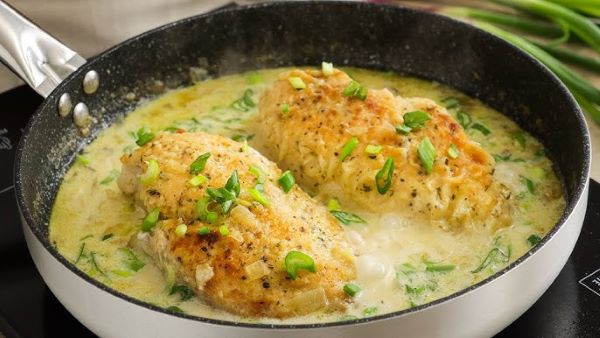
Pollo al verdeo sits in the category of Argentine home cooking that almost never makes it onto the menus of Argentine restaurants outside of Argentina. It is not as iconic as milanesa or asado, it does not have the international profile of empanadas, and it requires a specific combination of ingredients that not every kitchen keeps on hand. But among Argentines who grew up eating it, pollo al verdeo is the kind of dish that gets requested at family gatherings and triggers a specific kind of nostalgia. Chicken braised in white wine and cream with a substantial quantity of green onion, the verde referring to the green color of the scallions that define both the look and the flavor of the dish. If you have been searching for the best pollo al verdeo near me and struggling to find it anywhere, this guide gives you a realistic path forward.
What Pollo al Verdeo Actually Is
The name breaks down simply: pollo is chicken, verdeo refers to green onion or scallion, specifically the green tops of spring onions used in abundance. The dish is a straightforward braise. Chicken pieces, usually bone-in thighs and drumsticks or a cut-up whole chicken, are browned in butter or oil, then set aside while a large quantity of sliced green onion softens in the same pan. White wine goes in to deglaze, followed by chicken stock or water, and the chicken returns to the pan to braise until fully cooked through. Cream goes in at the end, giving the sauce a richness that ties everything together.
The green onion is not a garnish. It is the central ingredient. A proper pollo al verdeo uses enough scallion that the sauce turns a pale green color and the flavor of the onion is present in every bite. A version that uses a modest sprinkle of green onion as a finishing touch is not the real dish.
The sauce should be thick enough to coat the chicken but not heavy or pasty. The combination of reduced wine, stock, and cream produces a sauce that is simultaneously light and rich, with the fresh sharpness of the green onion keeping it from feeling heavy. Salt, white pepper, and sometimes a touch of nutmeg round out the seasoning.
When you search for the best pollo al verdeo near me, the generous use of green onion and the cream-based sauce are the two things that identify the dish correctly.
Where to Find It
Argentine restaurants with traditional home-cooking menus are the best starting point. A restaurant that goes beyond the obvious Argentine classics and carries a rotating menu of caseros, meaning home-style dishes, is more likely to carry pollo al verdeo than one focused on the grill. Look for restaurants that describe themselves as a fonda or bodegon, which are Argentine terms for casual, home-cooking-focused restaurants.
Argentine restaurants during winter months are worth checking specifically. Pollo al verdeo is cold-weather food in Argentina, and restaurants that rotate seasonal menus may add it during autumn and winter even if it is not a year-round offering.
Argentine home cooks and community vendors are often the most reliable source for dishes like this that sit outside the standard restaurant repertoire. Argentine expat communities in cities like Miami, New York, and Los Angeles maintain active food networks through Instagram and Facebook where home cooks sell traditional dishes by weekly batch order. Pollo al verdeo appears regularly in these offerings because it is practical to make in large quantities and transports well.
Argentine cultural events and community dinners sometimes feature pollo al verdeo as part of a broader home-cooking menu. These events are worth seeking out because the food is almost always made by Argentine home cooks rather than professional chefs, which for this particular dish tends to produce a more authentic result.
How to Search More Effectively
A direct search for the best pollo al verdeo near me will return very limited results in most cities because this dish rarely appears on public-facing restaurant menus. Here is how to look more effectively:
Search Instagram with “pollo al verdeo” plus your city name. Argentine home cooks who sell weekly batches post photos of this dish, and it is visually distinctive enough with its pale green sauce to identify immediately.
Search Facebook for Argentine community groups in your city. Post a direct question asking where to find pollo al verdeo. This question will generate specific, useful responses from people who either make it or know someone who does.
Call Argentine restaurants in your area and ask whether they rotate home-style dishes. A restaurant that says yes and describes what is available on a given day may include pollo al verdeo on a rotating basis that does not appear on their standard printed menu.
Search for Argentine cultural associations or Argentine community organizations in your city. These groups often organize community meals or know home cooks who sell traditional dishes and can point you in the right direction.
What Good Pollo al Verdeo Should Look Like
Once you find a source, a few things tell you whether the dish was prepared properly.
The sauce color. Pale green from the cooked-down green onion, slightly creamy and unified. A white or pale yellow sauce without any green tint means the green onion was used in insufficient quantity. A bright green sauce means the onion was added very late and not properly cooked into the base.
The quantity of green onion. Substantial and visible throughout the sauce. Every spoonful of sauce should contain pieces of softened scallion. If the onion is sparse or used only as a garnish, the kitchen used it as a flavoring agent rather than as the central ingredient.
The chicken. Fully cooked through and tender, having absorbed flavor from the braise. Bone-in pieces should release from the bone without resistance. The skin, if left on, should be soft from the braising liquid rather than crispy, which is correct for this preparation. Crispy skin on a braised dish means the chicken was not properly integrated into the sauce.
The sauce texture. Thick enough to coat the chicken and the back of a spoon, but fluid enough to pool slightly at the base of the plate. A sauce that has broken, with visible pools of fat separated from the liquid, was either cooked at too high a temperature or had the cream added to a boiling liquid instead of a gentle simmer.
The seasoning. Savory and slightly rich, with the green onion flavor dominant. White pepper is correct for this dish rather than black pepper, which would add visible flecks and a slightly different heat character. A hint of nutmeg in the background is traditional in many Argentine households.
Ordering and Eating Tips
Pollo al verdeo is a main course. It is typically served with white rice or mashed potatoes, both of which work well for absorbing the cream sauce. Some Argentine kitchens serve it with roasted potatoes or crusty bread instead. Any of these pairings are appropriate.
If you are ordering from a home cook or vendor, ask what sides are included or recommended. A home cook who makes pollo al verdeo will have a clear opinion about what it should be eaten with and that opinion is almost always worth following.
The dish reheats exceptionally well. The cream sauce restores its consistency when warmed gently on the stovetop with a splash of water or stock to loosen it. If you are buying a batch from a home cook for the week, it will be as good on day three as it was on day one when reheated properly.
Pair with a dry Argentine white wine, particularly a Torrontes from Salta or a Chardonnay from Mendoza. The aromatic quality of Torrontes complements the green onion in a way that feels specific and intentional.
Pricing Expectations
A full plate of the best pollo al verdeo near me at an Argentine restaurant runs between $18 and $28 depending on the city and the restaurant. Home cook and community vendor versions sold by the portion or container run between $12 and $20 and often represent a better value given the care that goes into small-batch preparation. Catering tray versions for groups are commonly available from Argentine home cooks at a lower per-serving cost.
Key Takeaways
- The best pollo al verdeo near me is most reliably found through Argentine home cook vendors on Instagram and Facebook, and at Argentine restaurants that rotate traditional home-style dishes rather than exclusively serving grill-focused menus.
- Pollo al verdeo is chicken braised in white wine and cream with a large quantity of green onion that colors and defines the sauce. The green onion is the central ingredient, not a garnish.
- A pale green sauce with visible softened scallion throughout is the primary quality indicator. A white or yellow sauce with sparse green onion means insufficient quantity was used.
- Search Instagram and Argentine community Facebook groups directly for this dish. It rarely appears on standard restaurant menus or search engine results in most cities outside of large Argentine communities.
- Call Argentine restaurants and ask about rotating home-style specials. Pollo al verdeo often appears on verbal daily menus that do not get listed online.
- The dish reheats well and is a practical batch-cook purchase from a home vendor. Gently reheat on the stovetop with a splash of stock to restore the sauce consistency.
- Pair with white rice or mashed potatoes to absorb the cream sauce, and serve with a dry Argentine Torrontes or Chardonnay.
- Expect to pay $18 to $28 at a restaurant, or $12 to $20 per portion from a home cook or community vendor.