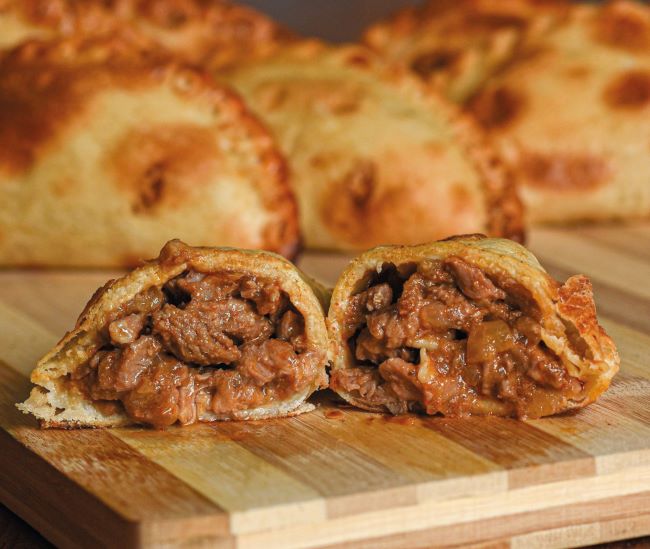
Most people who eat empanadas regularly have never stopped to ask what is actually inside. The filling in the majority of empanadas sold at Latin American restaurants and bakeries outside of Argentina uses ground beef, which is fast to cook, easy to portion, and consistent in texture. It is also not what a traditional Argentine empanada de carne uses. The real version uses beef cut by hand with a knife into small, irregular pieces that retain their texture through the cooking process and give the filling a completely different character. If you have been searching for the best empanada de carne cortada a cuchillo near me and wondering why most versions you find do not taste quite right, this is the reason.
What Empanada de Carne Cortada a Cuchillo Actually Is
The phrase cortada a cuchillo means cut with a knife, and it refers to the method of preparing the beef filling as opposed to using ground or minced meat. The cut most commonly used is skirt steak, flank, or a similar lean, flavorful cut that holds its texture during the sauteing process. The beef is diced into small cubes, roughly half a centimeter, and cooked quickly over high heat with onion, green onion, paprika, cumin, and sometimes dried chili. Hard-boiled egg and green olives go in off the heat.
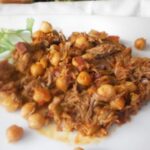
The result is a filling with visible, distinct pieces of beef surrounded by aromatic fat and spice. When you bite into a properly made empanada de carne cortada a cuchillo, you get actual texture from the meat rather than a uniform paste. The olives add brine. The egg adds richness. The spice is warm without being hot. Every element is distinct.
The pastry for Argentine empanadas uses a lard-enriched dough that is rolled thin, cut into rounds, filled, and sealed with the repulgue, the decorative crimped edge that traditionally indicated the filling inside. Different regions of Argentina use different repulgue styles, and experienced empanada eaters can identify the origin of an empanada by the way the edge is folded.
When you search for the best empanada de carne cortada a cuchillo near me, you are specifically looking for a kitchen that takes the time to cut and cook real beef rather than using the ground meat shortcut that the majority of empanada producers rely on.
Where to Find It
Argentine restaurants and empanada shops are the primary source. Cities with established Argentine communities including Miami, New York, Los Angeles, Chicago, and Houston have dedicated empanada shops that carry the full range of traditional fillings. A shop that specifically calls out carne cortada a cuchillo on its menu is making an active statement about how it differs from standard ground beef versions, which is a good sign.
Argentine bakeries and panaderias carry empanadas as part of their daily prepared food selection. These bakeries often make empanadas in large quantities and rotate fillings daily. A bakery that lists its fillings in detail, including whether the beef is ground or hand-cut, is worth prioritizing.
Argentine home cooks and weekend vendors are a significant source in cities where dedicated restaurants are scarce. Instagram and Facebook groups for Argentine expats will surface vendors who specifically advertise carne cortada a cuchillo as a distinguishing feature of their empanadas, because they know the audience appreciates the difference.
South American food festivals and markets sometimes feature empanada vendors from Argentina who travel specifically to sell traditional versions. These vendors tend to make carne cortada a cuchillo empanadas because they represent the Argentine tradition more faithfully than ground beef versions.
How to Search More Effectively
A direct search for the best empanada de carne cortada a cuchillo near me will return limited results in most cities because this is specific terminology that only restaurants and vendors who prioritize traditional preparation use in their listings. Here is how to find them:
Search Google Maps for Argentine restaurant or empanada shop in your city and browse menus for language that specifies the beef preparation method. Phrases like “carne suelta,” “carne a cuchillo,” or simply a description that mentions diced or chunked beef rather than ground indicate the traditional approach.
Search Instagram with “empanada carne cuchillo” or “empanada argentina” plus your city name. Argentine vendors who make the traditional version use this specific terminology in their posts because it distinguishes their product from the standard offering.
Search Facebook for Argentine community groups in your city and ask directly. Argentine expats have strong opinions about empanada quality and the carne cortada a cuchillo distinction is one of the first things they will raise when recommending a specific vendor or restaurant.
Ask any Argentine restaurant or vendor directly whether their beef empanadas use ground or hand-cut meat. The answer is immediate and tells you everything. A kitchen using carne cortada a cuchillo will say so with confidence. One using ground beef will either confirm it without hesitation or become vague, which is also an answer.
What Good Empanada de Carne Cortada a Cuchillo Should Look Like
Once you find a source, a few things confirm the quality when you eat the empanada.
The pastry. Golden, fully baked, and slightly flaky at the surface. The lard-enriched dough should have enough color to show proper baking and enough structure to hold together when picked up without cracking or crumbling. The repulgue edge should be well-defined and sealed without gaps where filling could escape during baking.
The filling visible at the cut. When you break or cut the empanada open, you should see distinct pieces of beef rather than a uniform paste. The beef cubes should hold their shape, surrounded by the cooked-down onion and fat that binds the filling. An even distribution of olive pieces and egg is visible in a well-made version.
The moisture level. Juicy enough that the filling does not feel dry, but not so wet that the pastry has gone soggy from the inside. The filling should be cohesive and slightly saucy from the rendered fat, but should hold its shape when the empanada is cut rather than running out immediately.
The seasoning. Warm, savory, and slightly smoky from the paprika. Cumin should be present in the background without dominating. The olives provide a hit of brine in every bite that contains one. A flat or underseasoned filling means the spices were insufficient or added too late in the cooking process.
The temperature. Freshly baked and still warm throughout. A cold empanada with congealed fat in the filling loses the moisture and fragrance that make it worth eating. Ask when the most recent batch came out of the oven before committing to a purchase.
Ordering Tips
Order both a carne cortada a cuchillo and a standard ground beef empanada if both are available, and eat them side by side. The textural difference is immediately clear and makes the case for why the extra preparation step matters. Most people who do this comparison do not go back to the ground beef version willingly.
Eat empanadas at room temperature or warm rather than hot. Directly from the oven, the filling is too hot to taste properly and the pastry can be slightly doughy at the seams. Five minutes of resting gives the filling time to settle and the flavors to open up.
Order a variety of fillings if the shop offers them, but use the carne cortada a cuchillo as your baseline for evaluating the kitchen’s overall quality. A shop that makes the beef filling with care almost always makes its other fillings with the same attention.
Pricing Expectations
Individual empanadas de carne cortada a cuchillo at a dedicated Argentine empanada shop typically run between $4 and $7 each depending on size and market. The price premium over standard ground beef empanadas, usually $1 to $2 per piece, reflects the additional labor of hand-cutting and cooking the beef separately. A half dozen runs between $20 and $35.
Home cook and vendor versions sold through Instagram batch orders are often priced slightly below shop rates but the quality from experienced Argentine home cooks is frequently equal to or better than restaurant production.
Key Takeaways
- The best empanada de carne cortada a cuchillo near me is most reliably found at dedicated Argentine empanada shops and bakeries, Argentine restaurants with traditional menus, and home cook vendors who specifically advertise the hand-cut beef preparation.
- Carne cortada a cuchillo means the beef is cut by hand into small cubes rather than ground, producing a filling with distinct texture, visible pieces of meat, and a completely different eating experience from standard ground beef empanadas.
- Ask any Argentine restaurant or vendor directly whether their beef is ground or hand-cut. A confident answer is the most reliable quality signal.
- Search Instagram with “empanada carne cuchillo” plus your city name and check Argentine community Facebook groups for specific vendor recommendations.
- A properly made version has a golden, flaky pastry, visible distinct beef pieces in the filling, well-distributed olive and egg, and warm savory seasoning with paprika and cumin as the primary spices.
- Eat warm but not hot, allowing five minutes of resting after purchase for the filling to settle and flavors to develop.
- Expect to pay $4 to $7 per empanada, with the hand-cut beef version typically running $1 to $2 more than ground beef versions at the same shop.
- A shop that makes carne cortada a cuchillo with care almost always applies the same standards to its other fillings, making this empanada a reliable indicator of the kitchen’s overall quality.