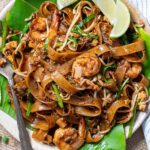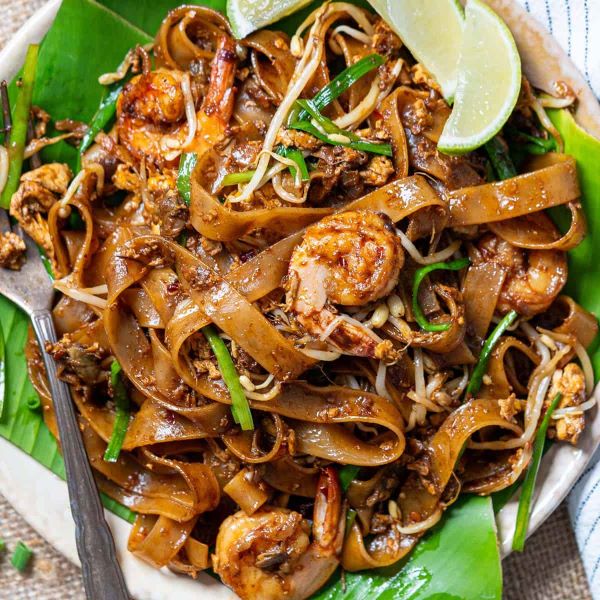
Char kway teow is one of the dishes that defines Malaysian and Singaporean street food culture and one of the most technically demanding wok dishes in any Southeast Asian tradition. It is a stir-fried flat rice noodle dish cooked at extreme heat with shrimp, cockles, egg, Chinese sausage, bean sprouts, and chives in a sauce of dark soy, light soy, and oyster sauce, and the defining element of a great version is wok hei, the breath of the wok, that smoky, slightly charred, almost caramelized quality that only comes from cooking at temperatures that most restaurant wok burners in the West cannot achieve.
When it is made correctly by a cook who understands wok temperature and who moves with enough speed that every element cooks at the right rate, char kway teow is one of the more complete noodle dishes anywhere. If you have been searching for char kway teow near me and finding versions without the smoke or the proper noodle texture, this guide helps you find a kitchen that gets the heat right.
What Char Kway Teow Actually Is
The name translates roughly as stir-fried flat noodles, and it originated among Chinese immigrant communities in Malaysia and Singapore, where it developed into one of the most beloved street hawker foods in those countries. The Penang version and the Singaporean version have slightly different character, with Penang char kway teow generally considered the more complex of the two, using pork fat rendered from lard, cockles, and a specific dark sweetness from the sauce combination that the Singaporean version sometimes simplifies.
The primary ingredient is kway teow, flat rice noodles also called hor fun or flat rice noodles, which are wide, flat, and slightly sticky. The noodles are added to a very hot wok with rendered lard or oil, and the first contact with the extreme heat is what begins the wok hei development. Egg is scrambled directly into the noodles. Dark soy sauce, which is thick and slightly sweet, and light soy sauce are added along with oyster sauce. Shrimp, cockles if available, Chinese lap cheong sausage, which is sweet and slightly fatty, bean sprouts, and Chinese chives go in at different moments based on their cooking time requirements.
The entire process takes under three minutes in a properly heated wok. The speed is as important as the heat. Ingredients that sit in the wok develop the wrong texture, and the char kway teow stall operator in Penang working over a screaming-hot gas burner is producing results in a physical context that most restaurant kitchens cannot replicate. Finding char kway teow near me that approaches the original requires finding a cook who understands these constraints and has the equipment and technique to compensate.
Where to Find It
Malaysian and Singaporean restaurants are the primary source. A restaurant that specifically identifies Malaysian or Singaporean cooking as its focus will carry char kway teow as a standard menu item. Cities with Malaysian and Singaporean communities, including New York, Los Angeles, San Francisco, Houston, and Boston, have dedicated restaurants that produce the dish with varying degrees of authenticity.
Pan-Asian noodle restaurants with a Southeast Asian focus sometimes carry char kway teow alongside pad thai and other regional noodle dishes. The quality depends heavily on whether the kitchen has the wok setup and the technique to achieve the wok hei that defines the dish.
Malaysian food courts and hawker-style restaurants that replicate the street hawker format of Southeast Asia sometimes produce char kway teow with more authentic results than sit-down restaurants because the operational format is closer to the original context.
Chinese restaurants with Malaysian or Singaporean influence sometimes carry char kway teow alongside dim sum and other Chinese preparations. A Chinese restaurant with Cantonese or Hokkien influence and a strong wok program is worth checking.
How to Search More Effectively
A search for char kway teow near me will return Malaysian and Southeast Asian restaurants in your area. Here is how to find the ones making it with proper technique:
Search Google Maps for Malaysian restaurant or Singaporean restaurant in your city. Browse menus specifically for char kway teow. A restaurant that lists it alongside nasi lemak, laksa, and other specifically Malaysian dishes is operating with enough Malaysian culinary knowledge to make it properly.
Search Yelp for Malaysian or Southeast Asian restaurants and read reviews that describe char kway teow specifically. Reviewers who know the dish will describe whether the noodles had wok hei smokiness, whether the texture was properly charred without being dry, and whether the prawns and cockles were fresh. These details distinguish a kitchen with proper wok technique from one producing a steamed noodle result labeled as char kway teow.
Search Instagram with “char kway teow” plus your city name. Malaysian restaurant accounts post photos of this dish, and the dark, slightly charred, smoky-looking noodles with visible bean sprouts, egg, and shrimp are identifiable in a food photo that captures the wok hei character.
Ask any Malaysian restaurant whether they use a high-heat wok burner for their char kway teow. A kitchen with proper wok infrastructure will answer specifically about their setup. A kitchen using a standard Western range will either confirm its limitations or give a vague answer.
What Good Char Kway Teow Should Look Like
Once you find a source, a few things immediately tell you whether the technique was correct.
The wok hei character. A slight smokiness and charred depth present in the aroma when the plate arrives and in the flavor of the first bite. This is the defining quality of char kway teow and cannot be faked. It comes from extreme heat and comes from nothing else. A plate without any smokiness or charred character was cooked at insufficient temperature.
The noodle color. Slightly darkened from the dark soy and the wok contact, with some areas more charred than others reflecting the uneven heat distribution in a properly executed wok toss. Uniformly pale noodles without any charring were either cooked at too low a temperature or were not given enough direct wok contact.
The egg. Scrambled and incorporated into the noodles, with visible egg pieces rather than a uniform egg coating. The egg should have slightly caramelized from wok contact, with golden edges rather than pale soft scramble.
The bean sprouts. Still slightly crunchy and fresh-tasting, added late enough in the cooking process that they retained their texture. Fully wilted, soft bean sprouts were added too early.
The overall moisture. Slightly dry rather than saucy or wet. Char kway teow is a stir-fried rather than a sauced noodle dish. The sauce coats the noodles and is absorbed during cooking rather than pooling at the bottom of the plate.
Ordering and Eating Tips
Order char kway teow with prawns and cockles if the restaurant offers them. The cockles, which are small shellfish, are traditional and add a briny, oceanic note that shrimp alone does not replicate. Ask whether cockles are available before the order is placed.
Ask for extra heat or a spicy version if the restaurant offers it. Char kway teow with fresh sliced chili or sambal alongside is the traditional Penang serving format and adds a heat element that complements the dark soy sweetness of the noodles.
Eat it immediately. Wok-cooked noodles continue cooking from residual heat after leaving the wok, and the best texture is in the first few minutes after the plate arrives. A plate left for ten minutes will have softer noodles and diminished wok hei character.
Order it as a main course rather than as a shared dish. Char kway teow is a complete meal and the portions at Malaysian restaurants are typically sized for individual service rather than sharing.
Pricing Expectations
A plate of char kway teow at a Malaysian or Singaporean restaurant typically runs between $14 and $22 depending on the market, the protein additions, and the restaurant. Versions with cockles and premium prawns tend to be at the higher end. Casual Malaysian hawker-style operations price it lower. Pan-Asian restaurants may price it in the middle of the range regardless of quality.
Key Takeaways
- Finding quality char kway teow near me is most reliable at dedicated Malaysian or Singaporean restaurants with a serious wok program, not at generalist pan-Asian noodle restaurants where the dish is one of many.
- Char kway teow is defined by wok hei, the smoky, slightly charred character from extreme wok heat. This quality cannot be replicated at lower cooking temperatures and is the single most important thing to evaluate in any version.
- A slight smokiness in the aroma when the plate arrives and some visual char on the noodles confirm wok hei development. No smokiness means insufficient heat was used.
- Ask whether the kitchen uses a high-heat wok burner. This single piece of equipment information predicts whether wok hei is achievable before you order.
- Cockles are traditional and worth asking about. Their briny character is part of the classic Penang char kway teow flavor profile.
- Eat immediately. Wok-cooked noodles deteriorate quickly and the best texture and wok hei character are present only in the first few minutes after cooking.
- Expect to pay $14 to $22 at a Malaysian or Singaporean restaurant depending on protein choices and market.