Tarta de choclo does not get the international recognition it deserves. It sits quietly on Argentine home tables and bakery counters, made from fresh or canned corn mixed into a savory filling, poured into a pastry shell, and baked until the top sets and develops a faint golden color. It is the kind of food that does not need explanation in Argentina because everyone grew up eating it, but outside of South American communities it remains largely unknown. If you have been searching for the best tarta de choclo near me, you are already ahead of most people in knowing this dish exists and understanding why it is worth tracking down.
What Tarta de Choclo Actually Is
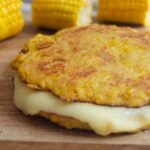
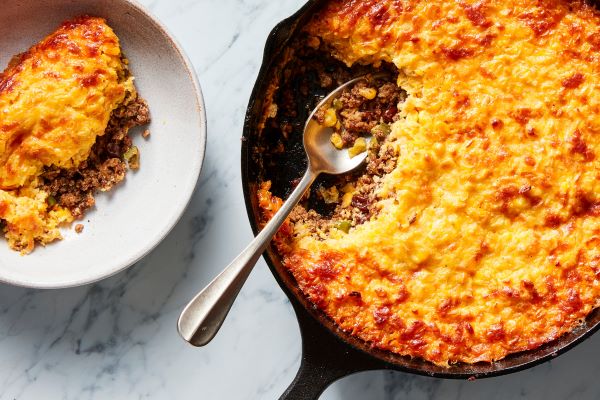
Tarta de choclo is an Argentine savory corn tart, though some versions lean slightly sweet depending on the household and region. The filling uses corn, either blended fresh corn kernels or a combination of cream-style and whole corn, mixed with eggs, cream or milk, and a sofrito base of onion, butter, and sometimes red pepper. The mixture goes into a pre-baked shortcrust or butter pastry shell and bakes in the oven until the filling is set and the surface has some color.
Many versions add ingredients to the filling layer: sliced hard-boiled eggs, cheese, black olives, and occasionally strips of roasted red pepper are all common additions. The savory versions may also include ham or cooked chicken folded into the corn base. Some families make a sweeter version with more corn and less savory seasoning, served as a light lunch or afternoon meal rather than a full dinner dish.
The pastry is important. A proper tarta de choclo uses a short, slightly flaky pastry shell that holds its structure when sliced. A soggy or underbaked shell ruins the texture contrast that makes the tart worth eating. The filling should be firm enough to hold a clean slice but soft and almost creamy in the center.
When you search for the best tarta de choclo near me, the pastry quality and the seasoning of the filling are the two things that separate a well-made version from a forgettable one.
Where to Find It
Argentine restaurants are the primary source outside of Argentina. A restaurant with a full Argentine menu that goes beyond asado and milanesa is more likely to carry tarta de choclo as a starter, lunch item, or side dish. Argentine fondas and casual lunch spots in cities with established Argentine communities are particularly worth checking.
Argentine and South American bakeries are often the best source. Argentine bakeries carry tartas as part of their savory prepared food section, typically sold by the slice alongside other empanadas, facturas, and savory pastries. These versions are made in large trays and sold throughout the day.
Latin American delis and prepared food counters in cities with South American customers sometimes carry tarta de choclo as a prepared item. It holds well at room temperature and reheats cleanly, making it a natural fit for deli counter sales.
Argentine home cooks and community vendors are a reliable source in cities where dedicated Argentine restaurants are scarce. Instagram and Facebook groups for Argentine expats in your city will surface vendors who sell tartas as part of weekly batch orders, often alongside empanadas and other traditional items.
How to Search More Effectively
A direct search for the best tarta de choclo near me may return limited results since the dish is specific enough that many restaurants serving it do not feature it prominently in their online listings. Here is how to search more effectively:
Search Google Maps for Argentine restaurant or South American bakery in your city and browse menus directly. Look for tarta or savory tart options in the menu listings. Some Argentine restaurants rotate their tarta offerings daily and list them on social media rather than on a static menu.
Search Instagram with “tarta de choclo” plus your city name. Argentine bakeries and home cooks who sell prepared food post photos of their daily or weekly offerings, and tarta de choclo appears regularly in these posts.
Search Facebook for Argentine community groups in your city. Ask directly where to find tarta de choclo. Argentine expats maintain strong food networks and will point you to specific bakeries, home cooks, or restaurants without hesitation.
Check whether any Latin American food markets in your area carry prepared Argentine food. Some markets have agreements with local Argentine bakers who supply prepared items including tartas on specific days of the week.
What Good Tarta de Choclo Should Look Like
Once you find a source, a few things tell you whether the preparation was done properly.
The pastry. Golden and fully baked through, with a slight flakiness and enough structure to hold a clean slice without collapsing. A pale or damp pastry shell was either undercooked or assembled with too much moisture in the filling. The bottom of the shell should be dry and firm, not soggy from the filling liquid seeping through.
The filling surface. Lightly golden on top, slightly firm when pressed, with no visible liquid pooling at the edges. A filling that is still wet or jiggles significantly when the tray is moved was not baked long enough.
The filling texture inside. Soft and slightly creamy, holding its shape when sliced but yielding easily to a fork. The corn should be visible throughout, either as whole kernels or as a smooth base depending on the version. A filling that is grainy or watery was not prepared with enough egg and cream to bind it properly.
The seasoning. Savory and complete without needing additional salt at the table. The onion and butter base should provide sweetness and depth. The corn provides its own sweetness. Together they should taste balanced rather than flat or oversalted.
The additions. If the version includes hard-boiled egg, olives, or cheese, these should be distributed evenly through the filling rather than clumped in one area. Every slice should contain a bit of each component.
Ordering and Eating Tips
Tarta de choclo works as a starter, a light lunch, or a side dish. In Argentine culture it is rarely a main course on its own, though a generous slice with a simple salad makes a complete light meal.
It is equally good warm or at room temperature. Unlike many baked dishes that must be eaten hot, tarta de choclo holds its flavor and texture at room temperature, which is one reason it travels well from a bakery or prepared food counter.
If you are ordering from a bakery or deli counter, ask whether the tarta was made that day. It keeps for two days at room temperature but the pastry starts losing its crispness after the first day. A freshly made tarta has a noticeably better texture contrast between shell and filling.
Pair it with a simple green salad dressed with olive oil and lemon rather than a heavy dressing. The mild sweetness of the corn filling works better against something light and acidic than alongside rich sides.
Pricing Expectations
A slice of tarta de choclo at an Argentine bakery or deli counter typically runs between $4 and $8 depending on the size and the market. A full tray purchased for sharing or takeout runs between $20 and $35. Restaurant versions served as a starter or side dish are typically $8 to $14. Home cook and vendor versions sold by the slice or tray tend to be priced similarly to bakery rates.
Key Takeaways
- The best tarta de choclo near me is most reliably found at Argentine bakeries, Argentine restaurant lunch menus, and home cook vendors selling through Instagram or community Facebook groups.
- Tarta de choclo is an Argentine savory corn tart with a short pastry shell and a filling made from corn, eggs, cream, and a sofrito base. Common additions include hard-boiled egg, cheese, olives, and roasted red pepper.
- Argentine community Facebook groups and Instagram searches with your city name surface vendors and home cooks who do not appear in standard search results.
- A properly made version has a fully baked, dry pastry shell, a lightly golden filling surface, and a soft, creamy interior that holds a clean slice without collapsing.
- Ask whether the tarta was made that day. The pastry loses its crispness after the first day and the texture contrast that makes it worth eating diminishes by the second day.
- It is equally good warm or at room temperature, which makes it a practical bakery or deli counter purchase that holds up during transport.
- Pair with a simple green salad dressed with olive oil and lemon rather than heavy sides.
- Expect to pay $4 to $8 per slice at a bakery, $8 to $14 at a restaurant, or $20 to $35 for a full tray.