Sopa de mani is one of those Andean dishes that produces an immediate and strong reaction the first time you taste it. It is a thick, deeply savory soup built on a peanut base, with beef, potato, vegetables, and sometimes rice or noodles cooked into a broth that is simultaneously rich and bright, with the nuttiness of the ground peanut running through every spoonful alongside the aromatics of the sofrito. It exists in Bolivia, Ecuador, and parts of Peru in slightly different forms, and it is one of the clearest expressions of how peanut, a crop native to South America, became embedded in the cooking traditions of the continent it comes from.
Finding the best sopa de mani near me requires knowing which tradition you want to eat from and which restaurants or home cooks treat this specific soup with the patience and ingredient quality it deserves.
What Sopa de Mani Actually Is
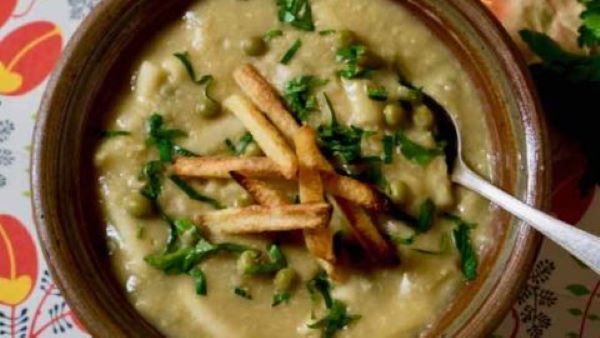
The Bolivian version of sopa de mani is the most commonly encountered outside of South America and is the version that has developed the strongest following among Bolivian expat communities. It uses ground roasted peanuts as the primary thickening and flavoring element of the broth, combined with bone-in beef pieces that simmer long enough to give their collagen and flavor to the liquid, potatoes, fried potato strips that go in as a garnish, and a vegetable and onion base.
The preparation starts with the beef, which is typically bone-in beef ribs or beef shank, simmered in water with onion, garlic, and aromatics until fully tender and a rich broth has developed. The ground peanut paste, made from roasted peanuts ground into a smooth paste, is added to the broth and stirred in, where it dissolves and thickens the liquid while releasing its oil and nutty flavor throughout. Potato goes in and cooks until tender. The finished soup is thick, slightly creamy from the peanut oil, and deeply nutty and savory.
The Bolivian version is sometimes finished with fried strips of potato placed on top of the soup at serving time, which adds a contrasting crunchiness against the thick broth. Fresh parsley and sometimes a squeeze of lime are common finishing touches.
The Ecuadorian version of sopa de mani uses a similar peanut base but often includes rice or noodles cooked directly in the soup, different vegetables, and a slightly different aromatic base. The Ecuadorian version tends to be more liquid than the Bolivian one and closer to a peanut-enriched broth than a thick peanut stew.
When you search for the best sopa de mani near me, the quality of the peanut base, the depth of the beef broth underneath it, and the proper balance between the peanut richness and the other soup components are the three primary quality markers.
Where to Find It
Bolivian restaurants are the primary source for the Bolivian version. Any Bolivian restaurant with a comprehensive traditional menu will carry sopa de mani as a rotating or permanent main course soup. A restaurant that also carries fricase, pique macho, and salteñas is operating with the full range of Bolivian traditional cooking and is likely to make sopa de mani with proper technique.
Ecuadorian restaurants are the primary source for the Ecuadorian version. Both versions are worth seeking out on their own terms, but they are different enough in character that knowing which you are looking for helps you target the right restaurant.
Bolivian home cooks and community vendors are often the most reliable source in cities without dedicated Bolivian restaurants. Sopa de mani requires time and attention, and home cooks who make it as a traditional weekend dish produce versions with a peanut and beef broth depth that fast-food volume production cannot match. Instagram and Facebook groups for Bolivian expats in your city are the most productive search channels.
Bolivian cultural events and festivals sometimes feature sopa de mani as part of a traditional food spread. Events organized around Bolivian national holidays are worth checking for this specific soup.
Ecuadorian community events and restaurants carry the Ecuadorian version and are worth investigating separately from the Bolivian sources if you are specifically looking for the Ecuadorian preparation.
How to Search More Effectively
A direct search for the best sopa de mani near me will return limited results in most cities. Here is how to search more productively:
Search Facebook for Bolivian or Ecuadorian community groups in your city and ask directly whether anyone makes or sells sopa de mani. Be specific about which version you are looking for, since the Bolivian and Ecuadorian preparations are different. Bolivian community members will respond with specific contacts for home cooks who make it regularly.
Search Instagram with “sopa de mani” plus your city name. Bolivian and Ecuadorian home cooks and restaurant accounts post photos of this soup when they make it, and the thick, golden-brown peanut broth with visible potato and beef is recognizable in a food photo.
Contact Bolivian or Ecuadorian cultural organizations in your region. These groups know home cooks who make traditional food and can connect you with sources for sopa de mani.
Search for Bolivian or Ecuadorian restaurants within a reasonable driving distance. A dedicated restaurant from either tradition within a hour’s drive is worth the trip for a soup this specific and this difficult to find.
What Good Sopa de Mani Should Look Like
Once you find a source, a few things confirm the quality.
The broth color. Deep golden to amber brown from the beef broth and the roasted peanut, slightly opaque from the peanut oil dissolved throughout. A pale or clear broth means either insufficient peanut was used or the beef broth was weak. A properly made sopa de mani should look dense and rich in color before you even taste it.
The consistency. Thick from the dissolved peanut paste, coating a spoon and flowing slowly rather than running immediately. The peanut thickening is what distinguishes sopa de mani from a beef soup with peanuts added. The consistency should be clearly peanut-enriched rather than simply flavored.
The peanut flavor. Nutty, slightly sweet from the roasted peanut, and present throughout the broth in every spoonful. The peanut should taste of properly roasted peanuts rather than raw peanut paste, which indicates the peanuts were roasted before grinding. A raw or slightly bitter peanut flavor indicates under-roasted nuts were used.
The beef. Fully tender, releasing from the bone with minimal pressure, and having contributed flavor to the broth through the long simmer. Beef that is still firm means the soup was not given sufficient cooking time.
The potato. Fully cooked through and slightly crumbling at the edges from absorbing the peanut-enriched broth. The potato should taste of the soup rather than of plain boiled starch.
Ordering and Eating Tips
Order sopa de mani as a main course. It is a substantial soup that functions as a complete meal and does not need supplementary dishes beyond bread or rice.
Ask whether the peanuts are roasted before grinding. Properly roasted peanuts produce a deeper, sweeter nuttiness than raw or lightly toasted peanuts, and the difference is detectable in the finished soup.
In the Bolivian tradition, the fried potato strips served on top are a textural garnish meant to be eaten with the soup rather than set aside. Adding them to each spoonful provides a crunch that contrasts with the thick, smooth peanut broth.
The soup reheats well because the peanut base stabilizes as it cools and then loosens again when heated. A home cook or vendor version from a previous day will have a slightly thicker broth that may need a small amount of water when reheating.
Pricing Expectations
A full bowl of the best sopa de mani near me at a Bolivian or Ecuadorian restaurant typically runs between $14 and $22 depending on the market and the restaurant. Home cook and community vendor versions sold by the container typically run $10 to $18 per serving.
Key Takeaways
- The best sopa de mani near me is most reliably found through Bolivian and Ecuadorian community Facebook groups and home cook vendors on Instagram, and at dedicated Bolivian or Ecuadorian restaurants in cities with those communities.
- Sopa de mani is a peanut-enriched beef broth soup with potato and vegetables. The ground roasted peanut paste thickens and flavors the broth throughout, producing a consistency and flavor profile completely different from a beef soup with peanuts simply added.
- The thick, golden-brown, slightly opaque broth from the peanut paste dissolution is the most immediate quality marker. Pale or watery broth indicates insufficient peanut or weak beef stock.
- Ask whether the peanuts are roasted before grinding. Roasted peanuts produce deeper, sweeter flavor than raw ones.
- Facebook community groups for Bolivian and Ecuadorian expats are the single most productive search channel for this specific dish in most cities.
- The Bolivian and Ecuadorian versions are different preparations. Know which tradition you are looking for before searching so you can target the right restaurant or home cook.
- Expect to pay $14 to $22 at a sit-down restaurant and $10 to $18 per portion from a home cook or community vendor.