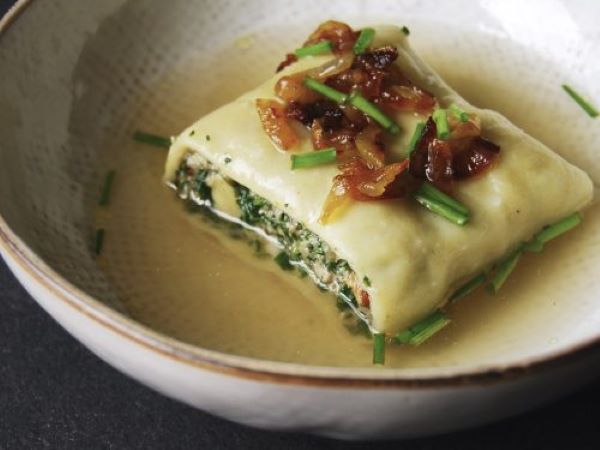
Maultaschen are one of Germany’s most satisfying regional dishes, and if you are searching for the best maultaschen near me, you are looking for something that occupies a special place in German culinary culture. These large, stuffed pasta pockets from the Swabia region of Baden-Württemberg have earned protected geographical status in Europe, and they reward anyone willing to seek them out beyond the typical bratwurst and schnitzel options at German restaurants.
What Are Maultaschen?
Maultaschen are large pasta pockets made from a thin egg dough similar to fresh pasta, filled with a savory mixture of minced meat, spinach, onion, bread, eggs, and spices. They are significantly larger than Italian ravioli, often hand-sized, and the filling is more complex and herbed.
The name roughly translates to “mouth pockets” or “Swabian pockets” and the dish originated in the Swabia region of southwest Germany, particularly around Stuttgart and the surrounding towns. A popular folk story claims that Swabian monks invented maultaschen to hide meat inside spinach during Lent, disguising it from God. Whether true or not, the story reflects the dish’s deep regional identity.
Traditional maultaschen are served in three main ways:
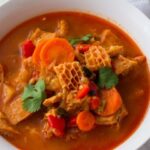
- In broth (Maultaschen in der Brühe): Served in a clear beef or chicken broth as a soup. This is often considered the classic preparation and one of the most comforting.
- Pan-fried (Gebratene Maultaschen): Sliced and fried in butter with caramelized onions until golden. The edges crisp slightly and the filling becomes richer from the added fat.
- With potato salad: Served at room temperature alongside Swabian potato salad dressed with vinegar and broth rather than mayonnaise.
What Makes a Great Maultaschen
When searching for the best maultaschen near me, these details distinguish a well-made version.
The pasta dough. The pasta should be thin but sturdy enough to hold the filling without tearing during cooking. A thick, doughy wrapper overwhelms the filling. Fresh pasta is significantly better than dried or commercial maultaschen when available.
The filling balance. Traditional maultaschen filling is a combination of minced pork or veal, blanched spinach, sauteed onion, soaked bread, eggs, and marjoram. The proportions should be balanced enough that no single ingredient dominates. Over-meated versions taste like a meatball in pasta. Over-vegetabled versions lose the savory depth that makes the dish satisfying.
The seasoning. Marjoram is the defining herb in maultaschen filling. Its warm, slightly floral note distinguishes the dish from Italian filled pasta. Nutmeg, pepper, and parsley round out the seasoning. Under-seasoned maultaschen taste flat.
The broth (if served in soup). A clear, well-made beef broth elevates maultaschen in der Brühe enormously. The broth should have depth and body from long cooking rather than tasting thin or salty from a packet.
The fried version. Pan-fried maultaschen should be sliced about half an inch thick and fried in butter over medium-high heat until golden on both sides. The caramelized onions served alongside add sweetness that contrasts the savory filling.
Where to Find the Best Maultaschen Near Me
German restaurants. The primary source. Search “German restaurant near me” and check the menu specifically for maultaschen. Not every German restaurant carries them, as they are a Swabian regional dish rather than a nationally ubiquitous item. Restaurants with broader regional German menus are more likely to include them.
German delis and specialty food stores. Many German delis sell fresh or refrigerated maultaschen for home preparation. These are made by German butchers or importers and are often very good. Heating them in broth at home is a fast way to get a satisfying result.
German cultural events and Oktoberfest festivals. Maultaschen appear at German cultural events, Oktoberfest celebrations, and German-American club gatherings. These events often feature authentic regional dishes beyond the usual bratwurst and sauerkraut.
Cities with German communities. Milwaukee, Cincinnati, St. Louis, Chicago, New Braunfels (Texas), and the Midwest broadly have significant German-American populations and are more likely to have German restaurants and delis carrying maultaschen. In these cities, the best maultaschen near me is more accessible than in areas without established German communities.
How to Order Maultaschen
If you find a German restaurant that serves maultaschen, deciding between the soup and pan-fried versions is mostly a matter of preference and occasion. The soup version is lighter and more elegant. The pan-fried version is heartier and more rustic. Both are authentic and both are excellent.
Ask whether the maultaschen are made in-house or sourced from a supplier. In-house versions made from fresh pasta dough are almost always superior. A restaurant that makes them fresh is a restaurant taking the dish seriously.
Maultaschen vs. Italian Filled Pasta
Comparing maultaschen to ravioli or tortellini helps clarify what makes them distinctive. All three are filled pasta, but the differences are significant enough that they occupy different categories of eating experience.
Size. Maultaschen are substantially larger than standard ravioli. A single maultasche can be hand-sized, while ravioli are typically bite-sized. This size difference means maultaschen are served two or three to a portion rather than a dozen.
Filling complexity. Italian filled pasta typically uses simpler fillings: ricotta and spinach, meat and cheese, pumpkin. Maultaschen fillings are more compound, combining meat, vegetables, bread, and multiple herbs into a unified savory mixture. The texture of the filling is coarser and more rustic.
The herb profile. Marjoram is not a common herb in Italian pasta fillings, which tend toward basil, parsley, or sage. Marjoram gives maultaschen a distinctly German aromatic character that is immediately identifiable.
How they are served. Italian filled pasta is almost always served with a sauce. Maultaschen are served in broth, fried in butter with onions, or at room temperature. Sauce is not part of the traditional preparation.
Understanding these distinctions helps you know what you are ordering when you find the best maultaschen near me and helps you communicate what you are looking for if you need to describe the dish to a restaurant that might list it differently on their menu.
Making Maultaschen at Home
Home preparation of maultaschen is a rewarding project for anyone comfortable with fresh pasta. The dough is a standard egg pasta. The filling combines browned ground pork, blanched and squeezed spinach, sauteed onion, soaked stale bread, eggs, marjoram, salt, pepper, and nutmeg. Roll the pasta thin, fill, fold, and seal carefully to prevent opening during cooking.
Poach in simmering salted water or directly in beef broth for the soup version. For the pan-fried version, cook first, let cool slightly, slice, and fry in butter over medium-high heat with thinly sliced onions until golden on both sides.
German specialty stores and some online retailers sell maultaschen molds that help maintain consistent size and sealing, though a rolling pin and steady hands are sufficient for home cooks willing to invest a little practice.
- The best maultaschen near me are large Swabian pasta pockets filled with minced meat, spinach, onion, and marjoram. They hold protected geographical status in Germany and are a point of regional pride in Baden-Württemberg.
- The three classic preparations are in broth, pan-fried with onions, and served cold with Swabian vinegar-dressed potato salad.
- Fresh pasta dough and a well-balanced filling with proper marjoram seasoning are the clearest quality indicators.
- German restaurants with regional menus are the primary source. Not all German restaurants carry maultaschen, so checking the menu before visiting is recommended.
- German delis and specialty food stores often carry fresh or refrigerated maultaschen for home preparation, which is a reliable option in areas without German restaurants.
- Milwaukee, Cincinnati, St. Louis, Chicago, and the broader Midwest have the most accessible German restaurant scenes and the best chance of finding the best maultaschen near me.
- German cultural events and Oktoberfest festivals are strong secondary sources where maultaschen appear alongside other regional German dishes.
- Ask whether the pasta is made in-house. Fresh maultaschen from house-made dough are substantially better than commercial or pre-packaged versions.