Masaco de plátano is one of those dishes that earns loyal fans among people who grew up eating it and genuine curiosity from those encountering it for the first time. If you are searching for the best masaco banana near me, you are looking for a Bolivian specialty from the eastern lowlands that takes the humble plantain and transforms it into something deeply satisfying through technique and smart pairings. This guide explains what masaco actually is, what a well-made version should taste and feel like, and the most effective ways to find it where you live.
What Is Masaco De Plátano?
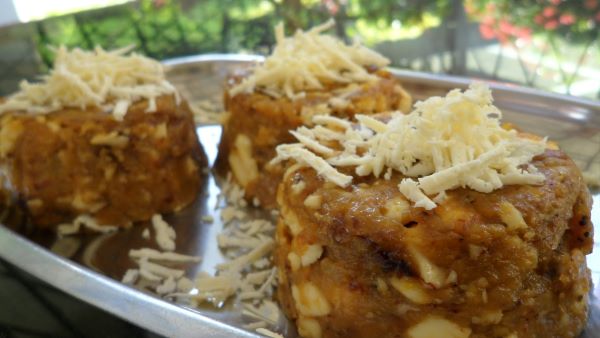
Masaco de plátano is a Bolivian dish made by cooking green or semi-ripe plantains until soft, then mashing them with lard or oil and mixing in cheese or charque (dried and salted beef). The mixture is worked together until it forms a cohesive, dense mass with a slightly sticky texture. It is then shaped into rounds, balls, or pressed into a plate and served hot.
The dish originates from the Santa Cruz and Beni regions of eastern Bolivia, where plantains are a staple crop and masaco is eaten as a breakfast, mid-morning snack, or side dish. It is street food in the truest sense: portable, filling, and made from what is available. Understanding its origins helps explain why the best masaco banana near me is most often found through Bolivian community connections rather than mainstream restaurant searches.
The two most common versions are:
- Masaco de plátano con queso: Mashed plantain mixed with fresh white cheese. The cheese melts into the warm plantain and creates a stretchy, creamy texture.
- Masaco de plátano con charque: Mashed plantain mixed with shredded dried beef. This version is saltier and more intensely savory, with the texture of the charque providing contrast against the smooth plantain.
Some versions combine both cheese and charque for a richer result. A few vendors also add a thin layer of rice alongside the masaco when serving, which extends the meal and adds a textural contrast.
What Makes a Great Masaco
When searching for the best masaco banana near me, these details separate a well-made masaco from a mediocre one.
The plantain ripeness. Green plantains produce a starchier, denser masaco. Semi-ripe plantains produce a slightly sweeter, softer result. Neither is wrong, but the version matters to the final flavor. Ask which the restaurant or vendor uses.
The fat content. Masaco is traditionally made with lard, which adds flavor and helps bind the mixture. Versions made with oil instead of lard are lighter but less rich. The best masaco de plátano has a slight sheen from the fat and a cohesive texture that holds its shape when formed.
The cheese or charque quality. Fresh queso blanco or queso fresco should melt into the plantain without becoming rubbery. Charque should be properly rehydrated and shredded finely so it distributes evenly through the mash rather than sitting in chunks.
Served hot. Like all mashed starch dishes, masaco loses appeal as it cools. The texture becomes gummy and the fat congeals. A fresh, hot masaco is a completely different experience from a cold one.
Where to Find the Best Masaco Banana Near Me
Bolivian restaurants. Particularly those representing eastern or lowland Bolivian cuisine from Santa Cruz or Beni. Search “Bolivian restaurant near me” and check the menu or call ahead to ask whether masaco de plátano is available. It often appears as a side dish or morning item rather than a main.
Bolivian community events and food fairs. Masaco de plátano is a common offering at Bolivian cultural events and fairs. Vendors often make it fresh on-site, which produces the most authentic version available outside of Bolivia.
Cities with Bolivian populations. Washington DC suburbs (Virginia and Maryland), Miami, New York, Los Angeles, and Houston have the most established Bolivian communities and the highest likelihood of finding the best masaco banana near me through restaurants or vendors.
Latin American grocery stores with deli sections. Some South American grocery stores with prepared food counters carry masaco de plátano as a breakfast or morning item in areas with Bolivian customers.
How to Search Effectively
If a direct search for the best masaco banana near me returns no results:
- Search “Bolivian food near me” and check menus for masaco or plátano dishes.
- Contact Bolivian cultural organizations or community groups in your city for restaurant and vendor recommendations.
- Check Bolivian community Facebook groups where food vendors frequently post about pop-up sales and events.
- Search “masaco boliviano near me” which may surface results that a simpler search misses.
Making Masaco De Plátano at Home
Masaco de plátano is achievable at home with plantains available at any Latin grocery store. Boil or steam green or semi-ripe plantains until fully tender. Drain, then mash while hot with lard or oil and salt. Mix in crumbled queso fresco or finely shredded charque (which can be found at Bolivian or Latin specialty stores). Shape into rounds and serve immediately.
The most important technique point is mashing while the plantains are still very hot. As they cool, they become stiffer and harder to work into a smooth mass. Have the fat and cheese ready before you start mashing so the mixing happens quickly while everything is at temperature.
Key Takeaways
- The best masaco banana near me is a Bolivian mashed plantain dish from the eastern lowlands, mixed with either fresh white cheese or dried beef (charque) and served hot.
- The two main versions are masaco con queso and masaco con charque. Some restaurants offer both mixed together.
- Quality depends on plantain ripeness, fat content, ingredient quality, and freshness. Masaco must be eaten hot.
- Bolivian restaurants representing Santa Cruz or Beni cuisine are the most reliable source.
- Bolivian community events and food fairs frequently feature freshly made masaco that is among the best available outside Bolivia.
- Washington DC suburbs, Miami, New York, and Los Angeles have the strongest Bolivian food scenes and the best access to masaco de plátano.
- If online search returns nothing, contact Bolivian cultural organizations or check community Facebook groups for vendor leads.
- Home preparation requires plantains, lard or oil, and queso fresco or charque. The key is mashing while everything is still hot.