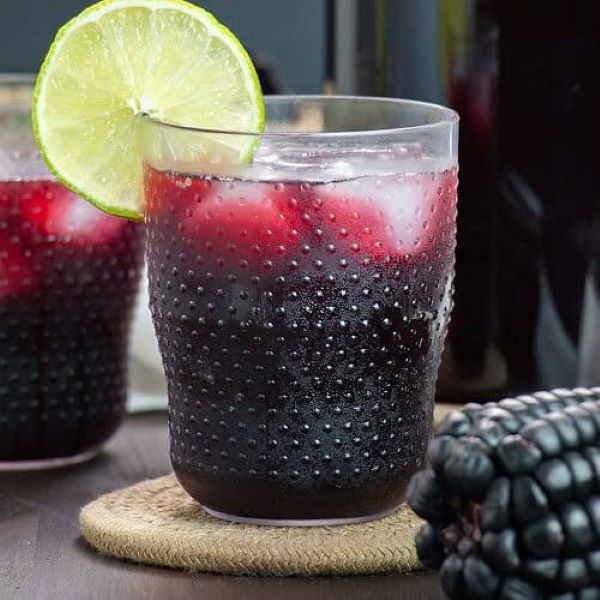
Chicha morada is one of the most distinctive non-alcoholic drinks in South American food culture and one of the least understood outside of Peruvian circles. It is a deep purple beverage made by simmering dried purple corn with pineapple rind, quince, cinnamon, and clove, then straining the liquid and adding sugar, fresh lime juice, and diced fresh pineapple and apple before serving over ice. The color is extraordinary, a vivid deep purple that comes from the anthocyanin pigments in the purple corn, and the flavor is simultaneously fruity, spiced, and tart in a way that does not resemble any other drink.
It is not a fruit punch and it is not a corn drink in any sense that Western palates might expect. When it is made from scratch with good purple corn and properly balanced flavors, chicha morada is one of the better beverages available at any Peruvian restaurant. If you have been searching for the best chicha morada near me and finding only pale imitations or commercial versions from a powder mix, this guide helps you find the real thing.
What Chicha Morada Actually Is
Chicha morada has been consumed in the Andes for thousands of years, predating the Spanish arrival in South America. The use of purple corn, a variety specific to the Andean highlands, in beverages is ancient. The current preparation, which adds cinnamon, clove, pineapple, quince, and fresh citrus, reflects the post-colonial combination of Andean ingredients with European spices introduced by the Spanish.
The preparation involves simmering dried purple corn, called maiz morado, in water with pineapple rind or whole chunks of pineapple, quince when available, cinnamon sticks, and whole cloves. The combination simmers for 30 to 45 minutes, during which the water extracts the deep pigment from the corn and develops a concentrated fruity, spiced flavor from the other ingredients. The liquid is strained, cooled, and then sweetened with sugar and brightened with fresh lime juice.
Before serving, diced fresh fruit, typically small cubes of fresh pineapple and green apple, is added to each glass. These fruit pieces are not decorative. They absorb the chicha morada over time and become flavored with the purple liquid, and eating them alongside the drink is part of the intended experience.
The lime juice is as important as the corn. The acidity from fresh lime lifts the entire beverage and prevents it from tasting flat and overly sweet. Commercial powder-based chicha morada uses citric acid as a substitute, which is identifiable as a sharper, less complex acid note than fresh lime.
When you search for the best chicha morada near me, the depth of purple color, the presence of the warm spice notes from cinnamon and clove, the fresh lime brightness, and the diced fruit in the glass are the markers of a properly made from-scratch version versus a commercial mix.
Where to Find It
Peruvian restaurants are the primary source. Chicha morada is on virtually every Peruvian restaurant menu as the signature non-alcoholic beverage of the cuisine. The quality difference between a restaurant making it from dried purple corn and one using a commercial powder mix is immediately apparent in the color, the depth of flavor, and the complexity of the spice notes.
Peruvian cevicherias often have particularly good chicha morada because the drink is the natural pairing for ceviche and the kitchen invests in it accordingly. A cevicheria that serves chicha morada alongside its raw fish preparations is following the traditional Peruvian lunch format where the two are consumed together.
Peruvian bakeries and delis in cities with Peruvian communities sometimes carry chicha morada as a prepared beverage sold by the cup or by the liter. These are practical options for takeout consumption or for purchasing a larger quantity to drink at home.
Latin American grocery stores with a Peruvian customer base sometimes carry prepared chicha morada in the refrigerated section or sell dried maiz morado alongside instructions for making it at home. Both options give you access to the drink outside of restaurant contexts.
Peruvian home cooks and community vendors sometimes sell chicha morada by the bottle or liter through Instagram and Facebook batch orders, particularly in cities without many Peruvian restaurant options.
How to Search More Effectively
A search for the best chicha morada near me will surface Peruvian restaurants in your area. Here is how to identify the ones making it from scratch:
Search Google Maps for Peruvian restaurant and look at photo sections for beverage photos. A glass of properly made chicha morada is a vivid, saturated deep purple, almost the color of grape juice but distinctly different in tone. A pale purple or pink-purple drink was either made from a mix with insufficient corn pigment or was heavily diluted.
Search Yelp for Peruvian restaurants and read reviews that mention chicha morada. Reviewers who care about the drink will describe whether it was deep purple, whether the spice notes were present, and whether fresh fruit was floating in the glass. These details distinguish from-scratch preparation from a commercial mix.
Search Instagram with “chicha morada” plus your city name. Peruvian restaurant accounts post photos of their beverages, and the extraordinary deep purple color of a properly made chicha morada is one of the most visually striking food and drink photos in any category.
Ask any Peruvian restaurant directly whether they make chicha morada from dried purple corn or from a commercial powder mix. A restaurant making it from scratch will answer with enthusiasm about their process. A restaurant using a mix will confirm it or become vague.
What Good Chicha Morada Should Look Like
Once you find a source, a few things confirm the quality.
The color. Deep, saturated purple, almost opaque when the glass is full and slightly translucent at the edges when held to light. A vivid, concentrated purple indicates a long enough simmering time to fully extract the pigment from the dried purple corn. A pale purple or reddish-purple drink was made with insufficient corn, insufficient simmering time, or a commercial mix with limited actual corn content.
The clarity. Slightly cloudy rather than perfectly clear, from the natural starches in the corn and the fruit particles from the simmering process. A crystal-clear chicha morada was filtered very aggressively, which removes some of the natural body from the drink.
The spice aroma. Cinnamon and clove present as a warm, background note when you bring the glass close. The spice should be subtle and integrating rather than dominant. A chicha morada without any spice aroma was made with insufficient aromatics during simmering.
The balance. Sweet from the added sugar, bright and tart from the fresh lime juice, fruity from the corn and pineapple, and warm from the spice. None of these elements should dominate individually. A version that is too sweet without acid lift was made with insufficient lime. A version that is very tart without sweetness had the balance wrong in the other direction.
The fruit in the glass. Small cubes of fresh pineapple and apple visible in the bottom or floating in the drink. These should be freshly cut and should have absorbed some of the purple color from the chicha morada. Fruit that is still fully the color of fresh pineapple or apple was just added and has not had time to absorb the liquid.
Ordering and Eating Tips
Order chicha morada as the beverage alongside a Peruvian meal rather than as a standalone drink. It is specifically designed to pair with Peruvian food, particularly ceviche, and the fruity acidity of the drink against the citrus-marinated raw fish is the classic pairing.
Drink it cold with plenty of ice. Chicha morada at room temperature loses some of its refreshing quality and the warm spice notes become more dominant when the liquid is not cold.
Eat the diced fruit from the bottom of the glass. The fruit pieces absorb the chicha morada over the course of drinking and become intensely flavored with the purple corn, spice, and citrus. Eating them at the end of the glass is part of the intended chicha morada experience.
If you want to try making it at home, dried maiz morado is available at Peruvian grocery stores and online. The simmering process takes less than an hour and produces a large quantity of drink that can be refrigerated for several days.
Pricing Expectations
A glass of chicha morada at a Peruvian restaurant typically runs between $4 and $8 depending on the size and the market. A liter purchased as a prepared beverage from a Peruvian deli or home vendor runs between $6 and $12. The price difference between a from-scratch version and a commercial mix version is often minimal at the restaurant level, which makes asking about the preparation method worth doing before ordering.
Key Takeaways
- The best chicha morada near me is most reliably found at Peruvian restaurants and cevicherias that make it from dried maiz morado rather than from a commercial powder mix.
- Chicha morada is a Peruvian drink made by simmering purple corn with pineapple, quince, cinnamon, and clove, then straining, cooling, sweetening, and brightening with fresh lime juice and diced fresh fruit.
- The deep, saturated purple color is the most immediate quality indicator. A pale or pinkish-purple drink was made with insufficient corn or from a commercial mix.
- Fresh lime juice is essential. The acidity lifts the entire drink. A chicha morada that tastes flat and very sweet was made with insufficient lime or with bottled citric acid.
- Ask directly whether the chicha morada is made from dried purple corn or a commercial mix. From-scratch preparation produces a completely different result.
- Eat the diced fruit from the bottom of the glass. The fruit absorbs the chicha morada over time and is part of the intended drinking experience.
- Pair with ceviche for the traditional Peruvian lunch combination that makes both the drink and the food taste better together.
- Expect to pay $4 to $8 per glass at a Peruvian restaurant and $6 to $12 per liter from a deli or home vendor.