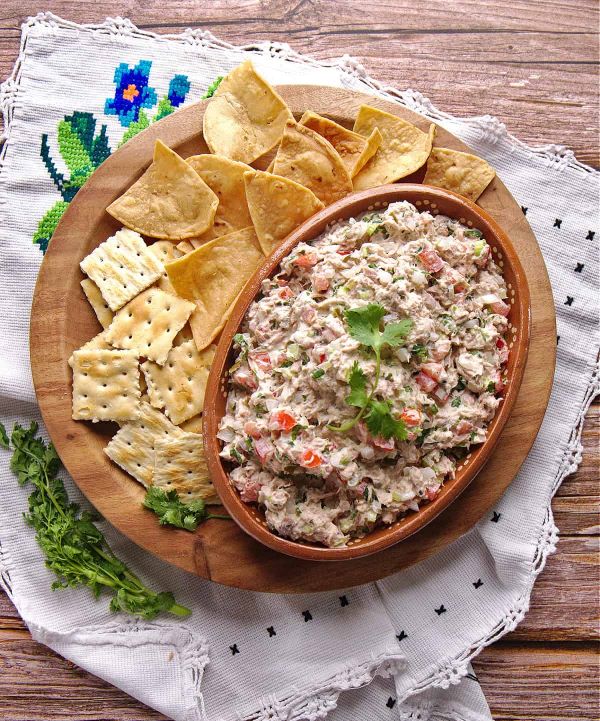
Ensalada de atun sits at the intersection of practical and satisfying. It appears on Latin American restaurant menus, Argentine bakery counters, Spanish tapas bars, and home lunch tables as a reliable, accessible preparation that is easy to make and easy to make poorly. A properly made ensalada de atun uses quality canned tuna, fresh vegetables, a well-seasoned dressing with enough acid to lift the richness of the fish, and the right balance of additional ingredients so that the tuna remains the star rather than a protein presence in a sea of filler.
A poorly made version uses low-quality canned tuna, mayonnaise applied without restraint, and vegetables that contribute texture without flavor. If you have been searching for the best ensalada de atun near me, this guide helps you identify which restaurants and vendors treat this apparently simple preparation with enough care to make it worth ordering.
What Ensalada de Atun Actually Is
Tuna salad exists across Spanish and Latin American cooking in different forms depending on the tradition. The common thread is canned or cooked tuna as the primary protein, combined with a dressing and additional ingredients that vary by country and household.
The Argentine and Uruguayan version is one of the most commonly found outside of Spain and uses canned tuna, hard-boiled egg, olive, sometimes celery or green onion, and a mayonnaise dressing seasoned with lemon juice and salt. This version is more of a bound salad than a dressed salad, and it is the format most commonly found in Argentine bakery cold cases alongside other composed salads.
The Spanish version sometimes uses a lighter vinaigrette dressing rather than mayonnaise, with olive oil, sherry vinegar or white wine vinegar, and sometimes mustard. Spanish restaurants that serve a proper ensalada de atun use quality Spanish canned tuna, often in olive oil rather than water, which has significantly more flavor than water-packed tuna. Some Spanish versions add roasted red pepper, capers, or other components that reflect the broader Spanish pantry.
The Peruvian version sometimes incorporates the influence of Peruvian flavor profiles, using aji amarillo paste or fresh lime in the dressing alongside the tuna, which produces a brighter, more complex result than a standard mayonnaise preparation.
The tuna quality is the single most important variable in any version of ensalada de atun. Spanish canned tuna in olive oil, particularly ventresca, the fatty belly portion, has a richness and flavor that water-packed supermarket tuna cannot approach. A restaurant using quality tuna will often describe it on the menu or be proud to confirm it when asked.
When you search for the best ensalada de atun near me, the quality of the tuna, the freshness of the vegetables, and the seasoning of the dressing are the three most important quality variables.
Where to Find It
Argentine bakeries and panaderias are reliable sources for the bound mayonnaise version. A Argentine bakery that makes its composed salads fresh daily with quality tuna and a properly seasoned lemon-mayonnaise dressing will produce a version significantly better than one using a commercial premix.
Spanish restaurants and tapas bars carry ensalada de atun as a cold tapa or starter. A Spanish restaurant with a serious pantry that uses quality Spanish olive oil-packed tuna and dresses it with sherry vinegar produces a version with more flavor complexity than a generic restaurant version.
Latin American restaurants broadly carry ensalada de atun as a lunch option, a starter, or part of a cold plate. The quality depends on the tuna sourcing and the care taken with the dressing.
Peruvian restaurants and cevicherias sometimes carry a Peruvian interpretation alongside their other cold starters. A Peruvian restaurant that uses good canned tuna and incorporates fresh citrus and aji into the dressing produces a version with a specific Andean brightness.
Latin American grocery stores and delis with prepared food sections sometimes carry ensalada de atun by weight. The quality at these counters depends on when the salad was made and the quality of the tuna used.
How to Search More Effectively
A direct search for the best ensalada de atun near me will surface Latin American restaurants and Spanish restaurants in your area. Here is how to identify the ones making it with quality ingredients:
Search Google Maps for Argentine bakery or Spanish restaurant in your city and contact them directly to ask about their ensalada de atun. A bakery or restaurant that describes the tuna brand or mentions olive oil-packed tuna is paying attention to ingredient quality.
Search Instagram with “ensalada atun” plus your city name. Argentine bakery accounts and Spanish restaurant accounts post photos of their prepared food and tapas, and the color and texture of quality olive oil-packed tuna flaked into a salad is visually distinguishable from water-packed tuna in a close-up photo.
Search Yelp for Argentine bakeries or Spanish restaurants and read reviews that mention tuna salad or ensalada de atun. Reviewers who pay attention to ingredient quality will describe whether the tuna was rich and flavorful or dry and bland, which is the clearest quality indicator for this dish.
Ask any restaurant or bakery directly what type of tuna they use and whether it is packed in olive oil or water. A kitchen using quality olive oil-packed tuna will confirm it readily. A kitchen using standard water-packed tuna will either confirm it or give a vague answer.
What Good Ensalada de Atun Should Look Like
Once you find a source, a few things confirm the quality.
The tuna. Visible as distinct, moist flakes rather than a uniform paste. Quality canned tuna in olive oil holds its texture when the can is opened and retains that texture in a salad. Water-packed tuna that has been drained and mixed becomes a more uniform paste. Visible flakes that separate easily when pressed with a fork indicate quality tuna.
The color. The tuna should be a light pink to cream color, slightly darker and richer-looking if packed in olive oil. A very pale, almost white tuna that does not have any visible variation in color is typically water-packed and lower quality.
The dressing. In the mayonnaise version, the dressing should coat the tuna without swamping it. The lemon or vinegar should be perceptible as a brightness that lifts the richness of both the tuna and the mayonnaise. In the vinaigrette version, the dressing should be present but not drowning the tuna in liquid.
The additional ingredients. Each element present in sufficient quantity to register in the eating. Hard-boiled egg should provide richness in each bite that contains one. Olive should contribute brine. Celery or pepper should add crunch. Each addition should feel intentional rather than perfunctory.
The seasoning. Complete throughout the salad, not just at the surface. A properly seasoned ensalada de atun should taste complete without needing additional salt at the table.
Ordering and Eating Tips
Eat ensalada de atun at room temperature or slightly cool rather than refrigerator-cold. Very cold temperature suppresses the olive oil flavor in quality tuna and makes the mayonnaise dressing slightly firm. Allowing ten minutes at room temperature before eating brings the flavors into clearer focus.
Order it with bread. The tuna salad dressing and the flaked tuna together with a piece of crusty bread is the intended eating format in both the Argentine and Spanish traditions, and eating it with a fork alone misses the texture contribution of bread against the salad.
Ask when the salad was made. A same-day preparation has fresher vegetable texture and a dressing that has not had time to become watery from vegetable moisture release. A tuna salad sitting for two days will be noticeably wetter and less fresh-tasting.
Pricing Expectations
Ensalada de atun at a Latin American restaurant or Argentine bakery as a starter or side dish typically runs between $8 and $16. Spanish tapas bar versions are priced similarly. Prepared versions at deli counters or grocery stores sold by weight are typically $6 to $12 per portion. Spanish ventresca tuna versions at higher-end Spanish restaurants may be priced above the standard range due to the ingredient cost.
Key Takeaways
- The best ensalada de atun near me is most reliably found at Argentine bakeries that make their salads fresh daily with quality tuna, and at Spanish tapas bars that use olive oil-packed Spanish tuna with a vinaigrette or properly seasoned mayonnaise dressing.
- The quality of the tuna is the single most important variable. Olive oil-packed Spanish tuna, particularly ventresca, has a richness and flavor that water-packed supermarket tuna cannot approach. Ask directly what type of tuna is used.
- Visible, distinct flakes of tuna that hold their shape rather than forming a uniform paste indicate quality tuna that was handled carefully. Paste-like tuna confirms lower-quality or heavily processed product.
- The dressing should include enough acid from lemon or vinegar to lift the richness of both the tuna and the mayonnaise without making the salad sharp.
- Eat at room temperature rather than cold. Very cold temperature suppresses the olive oil flavor and firms the mayonnaise dressing beyond ideal.
- Ask when the salad was made. Same-day preparation has fresher vegetable texture and a dressing that has not been diluted by vegetable moisture release.
- Expect to pay $8 to $16 at a restaurant or bakery and $6 to $12 per portion at a deli counter or grocery store.