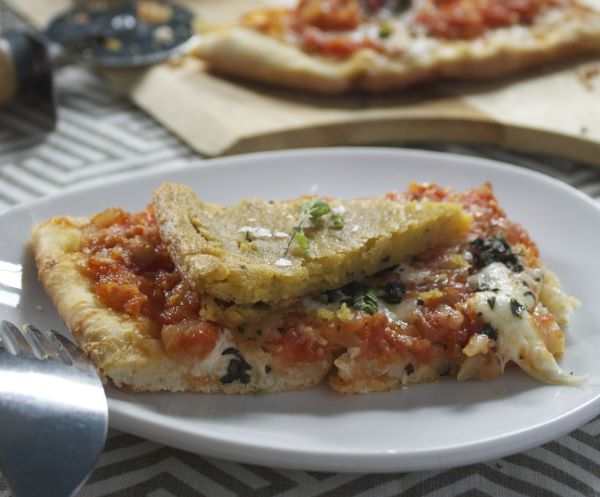
Faina with pizza is one of those Argentine culinary traditions that sounds strange until you try it and then seems entirely obvious. Faina is a thin, savory chickpea flatbread baked in olive oil and seasoned with rosemary, black pepper, or nothing at all, placed directly on top of a slice of Argentine pizza and eaten together as a single bite. The combination of the slightly crispy, slightly dense chickpea flatbread against the cheese-heavy, bready Argentine pizza creates a textural and flavor contrast that the pizza alone does not have, and the faina adds a nutty, slightly earthy note that balances the richness of the muzzarella. It is the kind of pairing that only exists because someone tried it in the 19th century Genoa-influenced Buenos Aires pizzeria culture and discovered that it was correct.
If you have been searching for the best faina with pizza near me, this guide gives you the most direct path to finding an Argentine restaurant or pizzeria that understands both components and serves them together properly.
What Faina Actually Is
Faina is the Argentine adaptation of farinata, the Ligurian Italian chickpea flatbread that Genoese immigrants brought to the Rio de la Plata region along with their pizza-making tradition. In Genoa, it is called farinata. In Nice, where Ligurian culinary influence also extends, it is called socca. In Argentina and Uruguay, it became faina and developed its own specific identity as the companion to pizza rather than as a standalone street food.
The preparation uses chickpea flour, water, olive oil, and salt, mixed into a thin batter that is poured into a well-oiled wide flat pan and baked at high heat until the top is set and slightly golden and the bottom has developed a crust from contact with the hot oil in the pan. Some versions add rosemary, black pepper, or nothing beyond the base ingredients.
The finished faina is thin, slightly crispy on the exterior, and slightly dense and nutty in the interior from the chickpea flour. It is eaten warm, placed on top of a slice of pizza and eaten together so both are consumed simultaneously. The chickpea bread adds a savory, slightly bitter, nutty note that complements the sweet muzzarella and the slightly acidic tomato sauce in the pizza.
In Argentine pizzeria culture, ordering both is standard. The waiter at a traditional Buenos Aires pizzeria will automatically ask whether you want faina alongside your pizza, and the answer is almost always yes. The tradition is so established that Argentine pizzerias outside of Argentina typically maintain it as part of their identity.
When you search for the best faina with pizza near me, you are specifically looking for an Argentine or Uruguayan restaurant or pizzeria that maintains this tradition and makes both the pizza and the faina in the traditional format.
Where to Find It
Argentine restaurants and pizzerias are the primary source. Any Argentine restaurant with a pizza program will carry faina as the traditional accompaniment. A restaurant that specifically identifies its pizza style as porteña or Argentine and lists faina on the menu is treating the tradition seriously.
Uruguayan restaurants carry the same tradition. The pizza and faina pairing is equally embedded in Uruguayan food culture, and a Uruguayan restaurant with pizza service will carry faina alongside it.
Argentine bakeries and prepared food operations sometimes carry faina as a prepared item sold alongside empanadas and other Argentine baked goods. A bakery that makes faina fresh and sells it by the piece or by the slice is worth seeking out in cities where Argentine restaurants are limited.
Argentine home bakers and community vendors sometimes sell faina through Instagram and Facebook batch orders, particularly those who also sell Argentine pizza. A home baker who describes making both the pizza and the faina from scratch is producing the authentic pairing.
How to Search More Effectively
A direct search for the best faina with pizza near me will return very limited results in most cities because faina is specific enough to Argentine culinary culture that restaurants making it do not always feature it prominently in their online descriptions. Here is how to search more effectively:
Search Google Maps for Argentine restaurant or pizzeria argentina in your city and browse menus specifically for faina. A menu that lists faina as a separate item alongside its pizza options is operating with full awareness of the Argentine pizza tradition.
Search Instagram with “faina pizza” or “faina argentina” plus your city name. Argentine restaurant accounts and home bakers who make faina post photos regularly, and the thin, golden chickpea flatbread placed on top of a slice of thick Argentine pizza is immediately recognizable.
Search Facebook for Argentine community groups in your city and ask where to find faina with pizza. Argentine expats from Buenos Aires are very specific about which local restaurant makes the proper faina alongside Argentine-style pizza and will give direct recommendations.
Ask any Argentine restaurant directly whether they serve faina alongside their pizza. A restaurant that knows and maintains the tradition will answer immediately with enthusiasm. A restaurant that does not know what faina is should be approached with lower expectations for the authenticity of its Argentine pizza program overall.
What Good Faina Should Look Like
Once you find a source, a few things confirm the quality of the faina.
The thickness. Thin, roughly half a centimeter, flat and even across the entire surface. Faina should not be thick like a bread or pita. Its thinness allows it to be placed on top of a pizza slice without overpowering the pizza in size or texture.
The exterior. Slightly golden on the top surface, with a slightly crispier bottom from contact with the hot oiled pan. The top should have some color variation from the baking heat. A completely pale faina was underbaked. A very dark or scorched faina was overbaked or baked at too high a temperature.
The interior. Slightly dense, with a tight crumb structure from the chickpea flour. It should feel substantial when broken but not heavy or doughy. A properly made faina has a slightly nutty flavor from the chickpea flour that is perceptible without any additional seasoning.
The olive oil. Present as a slight richness and slight sheen on the surface. The faina is baked in olive oil and should taste of it as a background note. A dry, oil-free faina was made with insufficient olive oil in the baking pan and will taste flat.
The freshness. Faina is best eaten warm from the oven. It cools quickly and loses its slightly crispy edge within 20 to 30 minutes of baking. A freshly baked faina placed on a hot pizza slice is the intended experience.
How to Eat Faina with Pizza
The traditional method is to place the faina slice directly on top of the pizza slice, pressing it down gently, and then eating both together in each bite. The two components should be eaten simultaneously rather than separately.
The faina goes on top of the pizza rather than underneath it. This placement means you bite through the faina first, then into the cheese, sauce, and pizza crust below. The sequence of textures, slightly crispy chickpea, then soft melted cheese, then pizza crust, is part of what makes the combination work.
Order at least one faina per pizza slice, or more if you prefer a higher faina-to-pizza ratio. Some traditional Argentine pizza eaters use one piece of faina for two slices of pizza while others use one per slice. The ratio is a matter of preference, but trying the full one-to-one ratio at least once gives you the most complete experience of the pairing.
Pricing Expectations
Faina at an Argentine restaurant is typically priced as an add-on to the pizza order, running between $3 and $8 per piece or per portion depending on the size and the market. Some Argentine restaurants include it automatically with pizza orders at no additional charge as part of the tradition. A whole faina for a full table runs between $8 and $16 where sold in this format.
Key Takeaways
- The best faina with pizza near me is most reliably found at Argentine and Uruguayan restaurants and pizzerias that specifically maintain the Buenos Aires pizza tradition, and through Argentine home bakers on Instagram and Facebook who make both components from scratch.
- Faina is a thin chickpea flatbread baked in olive oil, eaten by placing it on top of a slice of Argentine pizza and consuming both simultaneously. It is the traditional accompaniment to pizza in Buenos Aires and Montevideo.
- A thin, slightly golden, chickpea-dense flatbread with a slight olive oil richness and a nutty flavor from the chickpea flour is the correct product. Thick, pale, or oil-free versions are not the traditional preparation.
- Ask any Argentine restaurant directly whether they serve faina. A restaurant that knows and maintains the tradition will answer immediately. Ignorance of the product suggests limited Argentine pizza authenticity overall.
- Search Instagram with “faina argentina” plus your city name and check Argentine community Facebook groups for specific restaurant and home baker recommendations.
- Eat faina placed on top of the pizza slice and consume both together. This is the intended eating method, not a suggestion.
- Expect to pay $3 to $8 per piece as an add-on to a pizza order at an Argentine restaurant.