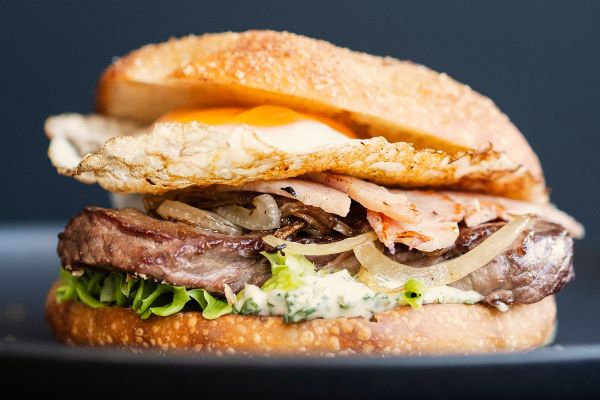
The lomito sandwich is Argentina’s answer to the question of what to put between two pieces of bread when you are serious about it. Thinly sliced or pounded beef tenderloin, cooked quickly on a hot griddle, layered into a soft roll with lettuce, tomato, mayonnaise, and any combination of ham, cheese, fried egg, and avocado depending on how elaborate you want to go. It is simple food done correctly, and the gap between a good lomito sandwich and a mediocre one is almost entirely determined by the quality of the beef and how it was cooked.
When the beef is tender, properly seasoned, and cooked with enough heat to develop color without drying out, the lomito becomes one of the more satisfying sandwiches in any tradition. If you have been searching for the best lomito sandwich near me, this guide helps you find a version that justifies the search.
What Lomito Sandwich Actually Is
The lomito sandwich takes its name from lomo, the Spanish word for tenderloin, and uses thin cuts from the beef tenderloin as the primary protein. In Argentine sandwich culture, the lomito sits at the premium end of the street food and casual restaurant spectrum precisely because tenderloin is a more expensive cut than the ground beef used in a hamburger or the milanesa used in a milanesa sandwich.
The beef is either sliced very thin against the grain or cut into a thicker piece and then pounded to an even thickness before cooking. Either approach should produce a piece of beef that cooks quickly on a hot griddle or plancha and remains tender throughout. The key technical point is heat. A lomito cooked on a properly heated plancha develops color and a slight crust on the exterior in seconds, while the thin interior is cooked through almost simultaneously. A lomito cooked on an insufficiently heated surface steams rather than sears, which produces a gray, flat-flavored piece of beef that lacks the savory crust that makes the sandwich worth eating.
The roll is typically a soft, slightly enriched white bread roll, called pan de Viena in Argentina, that is soft enough to compress slightly against the filling without falling apart. A roll with too much crust creates a structural problem where biting through the bread is more effort than the sandwich warrants. A roll with no structure collapses immediately.
The standard lomito completo in Argentina includes lettuce, tomato, mayonnaise, sliced cooked ham, melted cheese, and a fried egg. Avocado, sometimes called palta in Argentine Spanish, is a common additional topping. The combination of all elements produces a sandwich that is rich, savory, and filling in a way that justifies the name completo.
When you search for the best lomito sandwich near me, the quality of the beef cut used, the heat of the cooking surface, and the softness of the roll are the three most important quality variables.
Where to Find It
Argentine restaurants are the primary source. Any Argentine restaurant with a sandwich section on its menu will carry lomito. A restaurant that specifies lomito rather than simply listing beef sandwich is making a claim about the cut used that is worth investigating.
Argentine sandwich shops and parrillas in cities with Argentine communities sometimes carry lomito as their signature sandwich alongside the milanesa sandwich. A shop focused specifically on Argentine sandwiches is making the lomito with more attention than a restaurant where it is one of many menu items.
Argentine bakeries and casual restaurants in cities like Miami, New York, Los Angeles, and Chicago sometimes carry lomito sandwiches for lunch service. These spots operate in the Argentine tradition of sandwich culture that includes lomito, milanesa, and other filled rolls as standard lunchtime offerings.
Argentine home cook vendors selling through Instagram and Facebook sometimes include lomito sandwiches in their batch orders for community events and weekend sales. Home cooks who specify using beef tenderloin and cooking on a hot griddle are producing the authentic version.
How to Search More Effectively
A direct search for the best lomito sandwich near me will surface Argentine restaurants in your area. Here is how to find the ones making it properly:
Search Google Maps for Argentine restaurant in your city and browse menus for lomito. A menu that lists lomito specifically, describes it as beef tenderloin, or distinguishes it from other beef sandwiches is operating with enough Argentine sandwich culture awareness to make it correctly.
Search Instagram with “lomito sandwich” or “lomito argentino” plus your city name. Argentine restaurant accounts and home cook vendors post photos of lomito sandwiches, and the layered construction of thin beef, melted cheese, egg, and avocado on a soft roll is immediately recognizable in a photo.
Search Facebook for Argentine community groups in your city and ask where to find a good lomito sandwich. Argentine expats are specific about the tenderloin quality and cooking method and will direct you to the most reliable local source.
Ask any Argentine restaurant what cut of beef they use for their lomito. A restaurant using actual tenderloin will confirm it. A restaurant using a cheaper substitute or ground beef will either confirm it or give a vague answer about their beef preparation.
What Good Lomito Sandwich Should Look Like
Once you find a source, a few things confirm the quality.
The beef. Thin, with visible sear marks or color from the hot griddle, not gray and flat. The beef should be tender throughout when bitten, not requiring effort to chew through. Properly cooked tenderloin gives way without resistance. Tough, chewy beef was either the wrong cut or was cooked at insufficient heat.
The color on the beef. A lomito cooked on a properly heated surface has a slightly caramelized exterior with visible browning. A gray, uniformly pale exterior means the cooking surface was not hot enough and the beef steamed rather than seared.
The roll. Soft, slightly compressed by the filling, with enough structure to hold together through the eating without either crumbling or requiring excessive force to bite through. A properly assembled lomito sandwich should be manageable in hand without the fillings falling out.
The cheese. Fully melted, either from being placed on the hot beef directly on the griddle or from a brief pass under a heat source. Unmelted cheese slices on a lomito indicate the assembly was not finished properly.
The egg. Fried with a set white and a yolk that is still slightly runny for the lomito completo version. A fully set, hard yolk is acceptable but less interesting than a yolk that breaks and mixes with the other components when the sandwich is pressed.
Ordering and Eating Tips
Order the lomito completo rather than the basic version if this is your first time. The full combination of beef, ham, cheese, egg, and avocado with lettuce, tomato, and mayonnaise produces a more complete experience than the minimalist version, and you can always simplify on future orders once you know your preferences.
Ask whether the beef is tenderloin and how it is cooked. A restaurant or vendor that can describe their beef cut and confirm they cook it on a hot plancha is making a specific quality claim worth experiencing.
Eat immediately. A lomito sandwich loses its best qualities as it cools. The hot beef and melted cheese are at their best in the first few minutes after assembly.
Pair with a simple green salad or papas fritas, Argentine-style fries. The lomito is rich enough that a light accompaniment is more appropriate than another heavy side dish.
Pricing Expectations
A lomito sandwich at an Argentine restaurant typically runs between $14 and $22 depending on the market, the version ordered, and the toppings included. The tenderloin cut makes lomito one of the more expensive Argentine sandwiches, and very low-priced versions are worth approaching with caution as they may be using inferior beef. Home cook and vendor versions sold through batch orders are typically in the $10 to $16 range.
Key Takeaways
- The best lomito sandwich near me is most reliably found at Argentine restaurants and sandwich shops in cities with Argentine communities, and through home cook vendors who specify using beef tenderloin cooked on a hot griddle.
- Lomito sandwich uses thinly sliced or pounded beef tenderloin cooked at high heat on a plancha until caramelized on the exterior and tender inside, served in a soft roll with lettuce, tomato, mayonnaise, and typically ham, cheese, egg, and avocado.
- The quality of the beef cut and the heat of the cooking surface are the two most important quality variables. Gray, uncolored beef indicates insufficient cooking heat. Tough beef indicates the wrong cut.
- Ask directly what cut of beef is used. A restaurant using actual tenderloin will confirm it. Any vague answer suggests a cheaper substitute.
- The lomito completo with all toppings is the recommended starting version for first-time orders. It provides the full Argentine sandwich experience.
- Eat immediately. The hot beef and melted cheese lose their best qualities quickly as the sandwich cools.
- Expect to pay $14 to $22 at a sit-down Argentine restaurant, reflecting the tenderloin cut’s higher cost compared to other Argentine sandwich proteins.