Spicy miso ramen is one of those bowls that can go in several directions depending on who is making it and what they prioritize. The miso gives the broth a depth and umami character that chicken or pork stock alone cannot produce, and when chili paste is added to that base, the combination of fermented soybean richness and chili heat produces something more complex than either element alone. But it also means there are more variables to get right, and a bowl with too much heat drowning out the miso character, or too little miso flavor leaving the spice without a foundation, misses what makes spicy miso ramen worth ordering specifically.
If you have been searching for ramen spicy miso near me and finding bowls that are either one-dimensional in heat or flat in flavor, this guide helps you find a kitchen that balances the two correctly.
What Spicy Miso Ramen Actually Involves
Spicy miso ramen draws from the miso ramen tradition of Sapporo, Hokkaido, where miso-based ramen developed as a response to the cold northern climate and the local abundance of miso as a fermented pantry staple. The original Sapporo miso ramen is not particularly spicy but is intensely savory and warming. The spicy miso variation adds chili paste, typically toban djan, gochujang, doubanjiang, or a house-made chili oil, to the tare, which is the seasoning concentrate that is blended into the broth just before serving.
The broth base for spicy miso ramen is typically tonkotsu, chicken, or a combination, to which the miso tare is added. The miso in the tare may be white shiro miso, which is milder and slightly sweet, red aka miso, which is more pungent and complex, or a blend. The heat component is integrated into the tare rather than added as a finishing oil, which means the spice should be present throughout the broth rather than sitting as a separate layer on the surface.
The noodles in miso ramen are typically medium-thick, wavy, and made with a higher alkaline content than shoyu ramen noodles. The waved surface catches the thick, slightly viscous miso broth better than straight noodles, and the thickness holds up to the robust flavor of the broth without becoming overwhelmed.
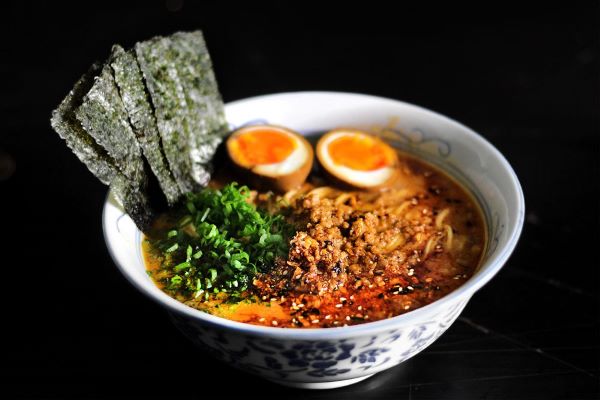
Standard toppings for spicy miso ramen include chashu pork belly, a seasoned soft-boiled egg called ajitsuke tamago, corn, butter, sliced green onion, bamboo shoots, and sometimes ground pork stir-fried with additional miso and chili, which floats on the broth surface and dissolves into the bowl as you eat. The corn and butter are specifically associated with Hokkaido-style miso ramen and their combination against the spicy miso broth is a classic and specifically satisfying pairing.
When you search for ramen spicy miso near me, the depth of the miso flavor in the broth, the integration of the spice throughout rather than just on the surface, and the quality of the noodles are the primary quality markers.
Where to Find It
Dedicated ramen shops are the most reliable source. A restaurant whose entire identity is built around ramen will have developed and refined its miso tare over time, sourced appropriate noodles, and thought carefully about the chili component of its spicy miso variation. A ramen shop that lists multiple broth styles including miso is more likely to execute the miso well than one that carries it as an afterthought alongside a more prominent shoyu or tonkotsu menu.
Japanese restaurants with a serious ramen program sometimes carry spicy miso ramen as part of a broader menu. The quality depends on whether the kitchen treats the ramen as a serious preparation with house-made tare or as a soup made from commercial broth packets. A Japanese restaurant that makes its own broth and tare is worth prioritizing.
Hokkaido-style ramen restaurants are the most specifically relevant source since spicy miso ramen has its deepest roots in Hokkaido cooking. A restaurant that specifically identifies its style as Hokkaido or Sapporo ramen is making a claim about miso-forward preparation that is worth investigating.
Japanese fusion restaurants and noodle bars in cities with limited dedicated ramen shops sometimes carry a serviceable spicy miso ramen. The quality varies considerably, and the most useful indicator is whether the restaurant makes its own broth and tare or uses commercial bases.
How to Search More Effectively
A search for ramen spicy miso near me will return Japanese restaurants and ramen shops in your area. Here is how to find the ones making it properly:
Search Google Maps for ramen shop or ramen restaurant in your city and look specifically at menu descriptions for spicy miso. A description that mentions the miso variety used, the chili component, or the broth base is indicating a kitchen that has thought carefully about the composition rather than listing spicy miso as a generic category.
Search Yelp for ramen restaurants and read reviews that specifically mention the spicy miso bowl. Reviewers who order it regularly will describe whether the miso flavor was prominent, whether the spice level was balanced rather than overwhelming, and whether the noodles held their texture through the meal. These details distinguish a kitchen with good broth technique from one using shortcuts.
Search Instagram with “spicy miso ramen” plus your city name. Ramen shop accounts post photos of individual bowls regularly, and the deep reddish-brown color of a properly made spicy miso broth, slightly glossy from the fat and miso, with visible chili oil pooling at the surface, is immediately distinguishable from a pale or thin broth.
Ask the restaurant what miso they use in their tare and what the chili component is. A kitchen with a developed miso tare recipe will answer specifically about miso variety and chili source. A kitchen using commercial ramen base will give a vague or noncommittal answer.
What Good Spicy Miso Ramen Should Look Like
Once you find a source and the bowl arrives, a few things immediately tell you whether the kitchen made it properly.
The broth color. Deep reddish-brown to dark amber, slightly opaque from the miso and slightly glossy from the fat in the broth. A properly made spicy miso broth should look substantially darker and more complex than a pale chicken or pork broth. Very pale spicy miso broth means either the miso was used in insufficient quantity or the tare was diluted too much by the base broth.
The spice distribution. Chili heat present throughout the broth from the first sip, not concentrated only in a visible layer of chili oil floating on the surface. If the spice only hits after you stir in the surface oil, the chili was added as a topping rather than integrated into the tare, which produces a less balanced result.
The miso flavor. Savory, slightly sweet if white miso was used, deeper and more pungent if red miso, with the fermented complexity that distinguishes miso from a simple salty broth. The miso should be perceptible as a distinct flavor note beyond general savory saltiness. A broth that tastes only of salt and pork or chicken without any fermented complexity used insufficient miso.
The noodles. Medium-thick, slightly wavy, cooked to al dente. Ramen noodles should have a slight springy resistance when bitten, not be completely soft throughout. Overcooked noodles that have become fully soft will continue absorbing broth as you eat and become increasingly waterlogged as the bowl progresses.
The toppings. Chashu pork belly with caramelized fat, a seasoned soft-boiled egg with a slightly runny custard yolk, and green onion at minimum. The egg is one of the most revealing quality indicators in any ramen bowl. An egg with a fully set, dry yolk was overcooked. One with a properly runny, slightly gelatinous center at the yolk was marinated and cooked with care.
Ordering and Eating Tips
Order the spice level you can actually enjoy rather than the maximum. Spicy miso ramen is best when the heat adds complexity to the miso rather than overwhelming it. A level where you can still taste the miso character is better than maximum heat that reduces the bowl to a test of tolerance.
Eat the noodles first while they are at their best texture. Ramen noodles sitting in hot broth continue absorbing liquid and become progressively softer throughout the meal. Starting with the noodles and then moving to the toppings and broth maintains the best noodle experience across the whole bowl.
Add butter if the restaurant offers it as an add-on. Butter dissolving into a spicy miso broth adds richness that rounds the heat and amplifies the miso character in a way that is specifically associated with the Hokkaido style and is genuinely excellent.
Drink the broth at the end of the bowl. A properly made spicy miso broth is worth drinking directly, and the concentrated flavor at the bottom of the bowl after the noodles and toppings have been consumed is one of the more satisfying parts of eating ramen.
Pricing Expectations
A bowl of ramen spicy miso near me at a dedicated ramen shop typically runs between $14 and $22 depending on the market and the toppings included. Add-ons like extra chashu, additional eggs, or butter are priced separately and typically add $2 to $5 per item. Japanese restaurants with a broader menu tend to price ramen slightly lower, in the $12 to $18 range, though the quality of the broth and tare often reflects the lower price.
Key Takeaways
- Finding quality ramen spicy miso near me is most reliable at dedicated ramen shops that develop their own miso tare and integrate the chili component into the tare rather than adding it as a surface topping.
- A good spicy miso ramen has chili heat integrated throughout the broth from the first sip, not only in a surface layer of chili oil. Broth-level spice distribution confirms the tare was built with chili rather than garnished afterward.
- The miso flavor should be perceptible as a distinct fermented, slightly sweet or pungent note beyond general saltiness. Insufficient miso produces a broth that is salty without complexity.
- Ask what miso variety the kitchen uses in their tare and what the chili component is. Specific answers indicate a kitchen with a developed recipe. Vague answers suggest commercial bases.
- Deep reddish-brown, slightly opaque broth confirms proper miso quantity and integration. Pale or thin broth indicates shortcuts.
- A soft-boiled egg with a custard-like, slightly runny yolk is a reliable quality indicator for the care level of the kitchen. A fully set, dry yolk was overcooked.
- Eat the noodles first while they have the best texture. Ramen noodles continue absorbing broth and soften progressively throughout the meal.
- Expect to pay $14 to $22 at a dedicated ramen shop and $12 to $18 at a broader Japanese restaurant for a properly made bowl.