Ensalada de papa y huevo is one of the most consistent fixtures on Argentine bakery counters and Latin American restaurant lunch menus, which means it is also one of the most frequently made with less care than it deserves. Potato and egg salad with a mayonnaise dressing sounds so straightforward that kitchens sometimes treat it as an afterthought, using overcooked potatoes that have fallen apart, rubbery old hard-boiled eggs, and a dressing that has not been seasoned with enough acid to lift the richness of the mayo.
A properly made version uses waxy potatoes cooked until just tender, hard-boiled eggs with fully set but slightly creamy yolks, and a dressing of mayonnaise, lemon juice, and salt that is applied while the potatoes are still warm so it absorbs rather than just coating the surface. If you have been searching for the best ensalada de papa y huevo near me, this guide helps you find and evaluate the right version.
What Ensalada de Papa y Huevo Actually Is
Potato and egg salad in the Argentine and Latin American tradition is a composed cold salad used as a side dish, starter, or a component of a larger cold plate. It differs slightly from American potato salad in a few specific ways.
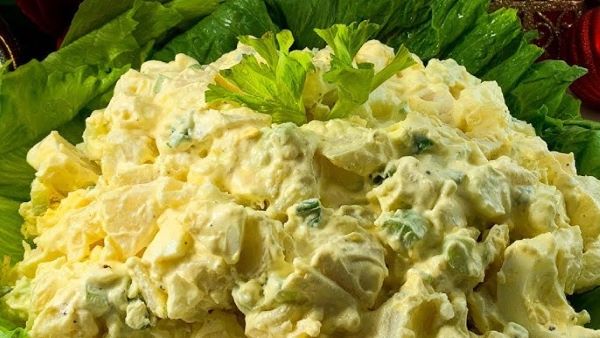
The potato in the Latin American version tends to be cut into larger, more uniform cubes rather than the chunky, irregular pieces more common in American versions. The cubed potato format produces a salad where each piece holds its shape distinctly rather than partially mashing into the dressing, which keeps the salad cleaner in texture and presentation.
The dressing is simpler than many American versions. A Latin American ensalada de papa y huevo typically uses mayonnaise, lemon juice or a small amount of white wine vinegar, salt, and sometimes a light amount of white pepper. No mustard, no relish, no celery. The simplicity focuses the flavor on the potato, the egg, and the dressing rather than on secondary ingredients.
The egg is sliced or quartered and distributed through the salad or placed on top as part of the presentation. Some versions mix the egg yolk into the dressing to create a slightly richer, more integrated result. Others keep the egg in distinct pieces.
Additional ingredients sometimes include green onion, parsley, or canned tuna, which makes it a more substantial dish. Some Argentine versions add a small amount of olive, carrot, or corn. These additions vary by tradition and by the kitchen making the salad.
When you search for the best ensalada de papa y huevo near me, the texture of the potato, the quality of the eggs, and the seasoning of the dressing are the three primary quality variables.
Where to Find It
Argentine bakeries and panaderias are the most consistent source. Ensalada de papa y huevo is a standard prepared food item in Argentine bakery cold cases, made fresh each morning and displayed alongside other composed salads. A bakery that makes its salads daily and uses waxy potatoes cooked properly will produce a version significantly better than one that uses floury potatoes or cooks them too long.
Argentine and Latin American restaurants with lunch menus carry this salad as a starter or side. A restaurant with a rotating selection of composed cold salads treats its cold kitchen with enough seriousness to produce a well-made version.
Latin American delis and prepared food counters carry ensalada de papa y huevo by weight or container. The quality depends on when the salad was made and whether the kitchen uses the right potato variety and proper egg preparation.
Argentine home cook vendors selling through Instagram and Facebook batch orders include this salad regularly. Home cooks who make it fresh with properly selected potatoes and well-prepared eggs produce a result that often surpasses commercial prepared versions.
How to Search More Effectively
A direct search for the best ensalada de papa y huevo near me will return limited specific results. Here is how to search more effectively:
Search Google Maps for Argentine bakery or panaderia argentina in your city. Contact them directly to ask whether they carry ensalada de papa y huevo and when it is made. A bakery that can tell you the preparation time and uses waxy potatoes specifically is managing its prepared food with more care than one that cannot answer these questions.
Search Instagram with “ensalada papa huevo” plus your city name. Argentine bakery and home cook accounts post their daily prepared food selections, and the clean, cubed potato with distinct egg pieces visible in the salad is identifiable in photos.
Search Facebook for Argentine community groups in your city and ask where to find the best ensalada de papa y huevo. Argentine community members who buy prepared food regularly will point you to the best local sources with specific practical information.
Ask any Latin American deli or bakery when the salad was made and what type of potato they use. Waxy potatoes like Yukon Gold or red potatoes hold their shape better than floury russets. A kitchen that specifies the potato variety is thinking about the texture outcome.
What Good Ensalada de Papa y Huevo Should Look Like
Once you find a source, a few things confirm the quality.
The potato. Firm, cubed, and holding its shape distinctly. Each piece should maintain its edges rather than having rounded or crumbling corners that indicate overcooking. The potato should yield to a fork with slight resistance rather than crumbling immediately. A waxy variety like Yukon Gold holds this quality better than a floury russet, which tends to break down and make the salad dense and heavy.
The egg. Fully set white with a yolk that is completely set but still slightly golden and slightly creamy rather than chalky and green-rimmed. A green ring around the yolk means the egg was overcooked, which produces a sulfurous, slightly unpleasant flavor. A properly hard-boiled egg has a yolk that is bright yellow-gold and firm throughout without any green.
The dressing. Light enough to coat the potato and egg without pooling at the bottom. The lemon juice or vinegar should be perceptible as an acid note that prevents the dressing from feeling heavy. A version that tastes primarily of plain mayonnaise without any acid lift was made with insufficient lemon or vinegar.
The seasoning. Complete and balanced throughout the salad rather than only at the surface. The potato should taste seasoned rather than bland. A potato salad that improves dramatically with salt at the table indicates that seasoning was not applied during cooking or during mixing.
The freshness. The salad should look freshly made with no browning on the potato edges, no watery pool at the bottom from the potato releasing excess moisture, and a dressing that has not separated. A pooling of liquid at the bottom of the container indicates either overcooked potato or a salad that has been sitting too long.
Ordering and Eating Tips
Ensalada de papa y huevo is a side dish or starter. It pairs well with any grilled or roasted protein and works as a component of a larger cold plate alongside other composed salads.
Eat at room temperature rather than directly from refrigeration. Cold potato salad has muted flavors because the fat in the mayonnaise dressing solidifies slightly at refrigerator temperature. Allowing 15 minutes at room temperature before eating improves both the dressing consistency and the flavor of the potato.
Ask when the salad was made. A same-day preparation using potatoes that were still slightly warm when the dressing was applied produces a better result than a day-old version where the potato has been cold-dressed and sitting in the dressing overnight.
Pricing Expectations
Ensalada de papa y huevo at a Latin American restaurant as a side or starter typically runs between $7 and $13. Prepared versions at Argentine bakery or deli counters sold by weight or container are typically in the $5 to $10 range per portion. Home cook and vendor versions are priced similarly to deli counter rates.
Key Takeaways
- The best ensalada de papa y huevo near me is most reliably found at Argentine bakeries that make their composed salads fresh daily using waxy potatoes cooked to proper texture, and at home cook vendors who apply the dressing while the potatoes are still slightly warm.
- The potato texture is the primary quality indicator. Firm, distinctly cubed waxy potato that holds its shape confirms proper potato selection and cooking time. Crumbling, mushy potato indicates overcooking or the wrong variety.
- A properly cooked hard-boiled egg has a fully set but still slightly golden yolk with no green ring. A green-rimmed yolk means overcooking and produces an unpleasant sulfurous flavor.
- The dressing should include enough lemon juice or vinegar to provide acid lift. A dressing that tastes only of plain mayonnaise was not properly balanced.
- Apply dressing while potatoes are still slightly warm. This allows the dressing to absorb rather than simply coat the surface, producing a more integrated and flavorful salad.
- Eat at room temperature rather than cold from refrigeration. Cold suppresses the dressing flavor and makes the mayonnaise slightly thick.
- Ask when the salad was made. Same-day preparation is noticeably fresher than a version sitting in refrigeration for multiple days.
- Expect to pay $7 to $13 at a restaurant and $5 to $10 per portion at a deli counter or from a home cook vendor.