Ensalada de apio y manzana is the kind of composed salad that appears across Argentine and Latin American bakery counters and restaurant lunch menus as a refreshing, light option that balances the richness of heavier prepared foods. Celery and apple together create a combination that is simultaneously crunchy, slightly sweet, and clean in flavor, and when it is dressed with a light mayonnaise or cream-based dressing seasoned with lemon juice and salt, the result is a salad that is genuinely refreshing rather than merely adequate.
The version most people encounter, unfortunately, tends to be made with limp celery, mealy apple, and a mayonnaise that has not been seasoned properly, which produces something that is neither refreshing nor satisfying. If you have been searching for the best ensalada de apio y manzana near me, this guide helps you find a version that justifies the search.
What Ensalada de Apio y Manzana Actually Is
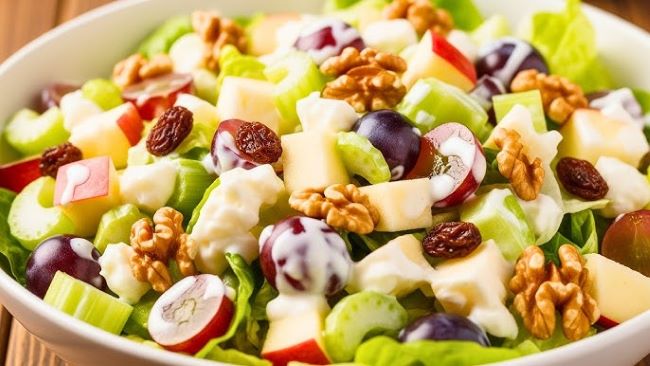
Celery and apple salad exists across multiple culinary traditions in slightly different forms. The Argentine and Latin American version tends to use a mayonnaise-based dressing lightened with lemon juice, making it richer than a vinaigrette-based interpretation. The most common additional ingredients include walnuts for crunch and slight bitterness, and sometimes raisins for sweetness. Some versions add a small amount of cream or cream cheese to the dressing for additional richness. Some include grapes or pear alongside or instead of apple.
The celery preparation matters. Celery that has been sliced too thick is difficult to eat in a salad context and dominates every bite. Celery sliced thinly on the diagonal produces a more elegant result with a pleasant crunch rather than a fibrous resistance. The celery strings should be removed before slicing, which takes an extra step that many kitchens skip but that significantly improves the eating experience.
The apple variety matters as much as the celery preparation. A tart, firm apple like Granny Smith or Fuji holds its texture in the dressing without becoming mealy and provides the acidic brightness that makes the salad interesting. A soft, sweet apple variety will turn mealy within hours of being cut and mixed with dressing, producing a salad that is unpleasant in texture regardless of how good the other components are.
The lemon juice serves double duty in this salad: it seasons the dressing and prevents the apple from oxidizing and turning brown. A properly made ensalada de apio y manzana should still show white or pale yellow apple flesh after several hours in the refrigerator. Brown apple in the salad means either no lemon was used or it was added too late.
When you search for the best ensalada de apio y manzana near me, the crispness of both the celery and the apple, and the brightness of the lemon in the dressing, are the primary quality indicators.
Where to Find It
Argentine bakeries and panaderias are the most reliable source. Ensalada de apio y manzana is a standard composed salad in the Argentine bakery tradition and appears alongside other cold salads in the display case. A bakery that makes its salads fresh each morning and uses fresh produce will produce a version significantly better than one using salads prepared in bulk several days in advance.
Argentine and Latin American restaurants with lunch menus carry this salad as a starter or side option. A restaurant with a rotating selection of cold composed salads is more likely to be making it fresh than one with a static menu.
Latin American delis and prepared food counters sometimes carry ensalada de apio y manzana as a cold case item sold by weight. The quality at these counters depends on how recently the salad was prepared and whether the kitchen uses fresh, properly selected produce.
Argentine home cook vendors selling through Instagram and Facebook batch orders include this salad as a practical item that holds reasonably well under refrigeration and appeals to a wide audience.
How to Search More Effectively
A search for the best ensalada de apio y manzana near me will return limited specific results. Here is how to search more effectively:
Search Google Maps for Argentine bakery in your city and contact them directly to ask whether they carry ensalada de apio y manzana. A bakery that makes rotating daily salads will likely include it in their regular rotation.
Search Instagram with “ensalada apio manzana” plus your city name. Argentine bakery accounts and home vendors post photos of their salad selections, and the distinctive pale color from the celery and apple with the walnut pieces visible is identifiable in photos.
Search Facebook for Argentine community groups in your city and ask where to find a good ensalada de apio y manzana. Community members who regularly buy prepared food will point you to the best local sources.
Ask any Latin American bakery or deli counter what composed salads they carry on a given day. This is often more productive than searching specifically by dish name because many bakeries rotate their salad offerings and may carry it on some days but not others.
What Good Ensalada de Apio y Manzana Should Look Like
Once you find a source, a few things confirm the quality.
The apple. White or pale yellow flesh with no browning, indicating fresh preparation with adequate lemon juice. The pieces should be firm when pressed with a fork, not mushy or yielding immediately. A tart variety like Granny Smith will have visible green-tinged flesh. The apple should taste of itself, sweet and slightly tart, rather than of refrigerator or oxidation.
The celery. Crisp and snapping when bitten, with no fibrous strings that separate during chewing. Thinly sliced on the diagonal, providing crunch without fibrous resistance. Limp celery that bends rather than snapping was either old when it was sliced or has been sitting in the dressing for too long.
The dressing. Light enough to coat without swamping. The mayonnaise should be present as a binder rather than a dominant flavor. The lemon juice should be clearly perceptible, providing brightness that lifts the natural flavors of the celery and apple. A version that tastes primarily of mayonnaise without any acid lift was made with insufficient lemon or the wrong dressing ratio.
The walnuts. Present and still crunchy if included. Walnuts that have been in a mayonnaise-based dressing for an extended period absorb moisture and become soft. Fresh walnuts added close to serving time retain their crunch and add a pleasant bitterness that balances the sweet apple.
The seasoning. Complete and balanced without needing additional salt at the table. The lemon and salt together should bring out the natural flavors of the apple and celery rather than masking them.
Ordering and Eating Tips
Ensalada de apio y manzana works as a light starter, a side dish, or a component of a mixed salad plate. It pairs well with heavier main courses because the crunchiness and acidity of the celery and apple cut through richer flavors effectively.
Eat it within the same day it was prepared for the best apple texture. The apple continues to soften in the dressing over time, and a day-old version will have noticeably softer fruit than a fresh one. A two-day-old version typically has apple that is too soft to enjoy properly.
Eat it at slightly cool rather than cold from refrigeration. Very cold temperatures suppress the lemon brightness and the natural sweetness of the apple. Allowing 10 to 15 minutes at room temperature before eating brings the flavors into clearer focus.
Pricing Expectations
Ensalada de apio y manzana at a Latin American restaurant or bakery typically runs between $7 and $13 as a starter or side dish. Prepared versions at deli counters sold by weight or container are typically in the $5 to $10 range per portion. Home cook and vendor versions are priced similarly to deli counter rates.
Key Takeaways
- The best ensalada de apio y manzana near me is most reliably found at Argentine bakeries that make their composed salads fresh daily and at home cook vendors who use properly selected tart apple varieties and fresh celery.
- The apple variety is the most important ingredient choice. A firm, tart apple like Granny Smith or Fuji holds its texture in the dressing. Soft, sweet apple varieties become mealy within hours of preparation.
- White or pale yellow apple flesh with no browning confirms fresh preparation with adequate lemon juice. Browning indicates the lemon was skipped or added too late.
- Crisp celery that snaps when bitten rather than bending confirms freshness. Limp celery was either old when used or has been sitting in the dressing too long.
- Eat within the same day of preparation for the best texture. Apple continues to soften in mayonnaise dressing over time.
- Serve at slightly cool rather than cold from refrigeration. Very cold temperatures suppress the lemon brightness and apple sweetness.
- Search Instagram with “ensalada apio manzana” plus your city name and check Argentine community Facebook groups for specific recommendations.
- Expect to pay $7 to $13 at a restaurant and $5 to $10 at a deli counter or from a home cook vendor.