Flan is one of those desserts that appears on Spanish and Latin American menus so universally that people have stopped expecting much from it. A wobbly custard with some caramel sauce pooled around it arrives, it tastes of egg and vanilla and sugar, and the experience is complete without being particularly memorable. That version of flan is everywhere.
The Cuban version, when made properly, is something else. Flan cubano uses a higher ratio of egg yolks to whole eggs, often adds cream cheese to the custard base, and is cooked slowly enough that the texture becomes denser, richer, and more substantial than the lighter, airier Spanish flan that most people are familiar with. When it is made right, flan cubano has a character that earns its own identity rather than just being another custard dessert with a caramel topping.
If you have been searching for the best flan cubano near me and finding only generic flan that does not match what you know the Cuban version should be, this guide helps you find the right thing and recognize it when you do.
What Flan Cubano Actually Is
The Cuban flan has a profile that distinguishes it from the Spanish or Mexican versions that are more commonly encountered in restaurants outside of the Caribbean.
The eggs. Cuban flan uses a higher proportion of egg yolks compared to whole eggs than many other flan traditions. More egg yolk means more fat, more emulsification, and a denser, richer custard that has more body and a more intense egg flavor. Some recipes use only egg yolks, producing an extremely dense and rich result. Others use a combination but lean heavily toward yolks.
The cream cheese. This is the element that most distinctly marks the Cuban version. Cream cheese blended into the custard base adds richness and a very slight tanginess, and it contributes a dense, almost cheesecake-like quality to the finished flan. A flan cubano made with cream cheese is noticeably denser and more satisfying than one without it. The cream cheese also helps the custard set more firmly, so the flan holds its shape when unmolded rather than being extremely wobbly.
The caramel. Cuban caramel for flan is typically made darker than the blonde caramel common in Spanish flan, producing a more bitter, complex caramel sauce that pools around the unmolded flan and contrasts with the sweetness of the custard. A pale, very sweet caramel on a Cuban-style flan suggests the cook did not take the caramelization far enough.
The cooking method. Cuban flan is baked in a water bath, called bain-marie, to ensure even, gentle heat that sets the custard without curdling. The flan molds are placed in a larger pan of hot water in the oven and baked low and slow. A properly cooked flan has no bubbles or pits on its surface when unmolded and no rubbery or eggy smell.
When you search for the best flan cubano near me, the presence of cream cheese in the recipe and the denser, richer texture it produces are the primary markers that distinguish an authentic Cuban version from a generic flan.
Where to Find It
Cuban bakeries and panaderias are the definitive source. A Cuban panaderia that has been operating for any significant amount of time will make flan cubano as a standard dessert item, sold by the individual portion or as a full flan for sharing. The version from a dedicated Cuban bakery that makes it fresh each day will be noticeably better than anything from a restaurant that does not specialize in Cuban pastry.
Cuban restaurants that take their dessert program seriously carry flan cubano as a made-in-house offering. A restaurant that can tell you when the flan was made and confirm that cream cheese is in the recipe is making it from scratch rather than sourcing from a supplier.
Cuban home bakers and community vendors selling through Instagram and Facebook Marketplace are a strong source in cities where dedicated Cuban bakeries are scarce. Cuban home bakers who make flan cubano regularly describe the recipe in their posts, and those who specifically mention cream cheese in the filling are making the authentic version.
Latin American delis and grocery stores with a Cuban customer base sometimes carry flan cubano in the refrigerated dessert section. These versions are typically made by a local Cuban baker and represent a practical option in areas without Cuban bakeries or restaurants.
How to Search More Effectively
A search for the best flan cubano near me will return Cuban restaurants and bakeries in your area. Here is how to identify the ones making the authentic version:
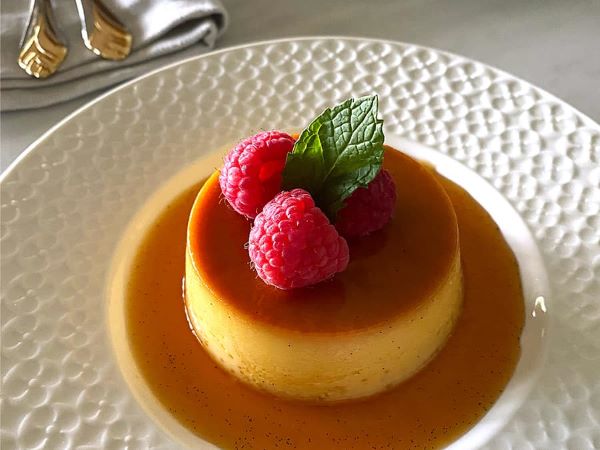
Search Google Maps for Cuban bakery or panaderia cubana in your city. Browse the photo sections of listing pages where bakeries often post photos of their dessert offerings. Flan cubano that has been properly unmolded shows a smooth, dark caramel surface that coats the sides and a dense, uniform custard body.
Search Yelp for Cuban restaurants and bakeries and read reviews that mention flan specifically. Reviewers who know the Cuban version will describe whether it was dense and rich from cream cheese, whether the caramel was dark and slightly bitter, and whether the texture was more substantial than a standard flan.
Search Instagram with “flan cubano” plus your city name. Cuban bakery accounts and home bakers post photos of flan cubano regularly, and a properly made version with dark caramel, dense smooth custard, and clean unmolding is immediately identifiable in a photo.
Ask any Cuban bakery or restaurant directly whether their flan uses cream cheese. A kitchen making authentic flan cubano will confirm this without hesitation. A kitchen making a generic flan will either confirm it does not use cream cheese or give a vague answer.
What Good Flan Cubano Should Look Like
Once you find a source and the dessert arrives, a few things confirm whether the preparation was done properly.
The texture. Dense, smooth, and creamy, with a firmness that holds its shape when the plate is tilted slightly. Flan cubano should not wobble as dramatically as a lighter flan. When cut with a spoon, it should yield cleanly without crumbling or falling apart. A texture that is rubbery or grainy means either the cream cheese was not properly incorporated or the custard was overcooked, causing the eggs to curdle slightly.
The caramel. Dark amber to deep brown, slightly bitter, and pooled around the base of the unmolded flan. The caramel should have enough quantity to coat the top surface and run around the sides when the flan is plated, not just a thin film. A pale, very sweet caramel without any bitterness was taken off the heat too early.
The surface. Smooth, without bubbles, pitting, or rough patches. A surface with bubbles or small craters was either cooked at too high a temperature or not properly covered during baking, allowing air to disturb the custard surface. Smooth, uniform surface indicates proper low-and-slow baking in a water bath.
The color. Pale yellow to cream from the high egg yolk content, slightly darker than a whole-egg flan. The custard should look rich and uniform throughout when a portion is cut.
The flavor. Sweet, rich, slightly eggy, with a very faint tanginess from the cream cheese that rounds out the custard flavor. The caramel bitterness should be perceptible in every bite that includes some of the sauce from the plate. A flan that tastes only of sweet egg without any cream cheese richness was made without the defining ingredient.
Ordering and Eating Tips
Flan cubano is a dessert course, best ordered at the end of a Cuban meal. It pairs naturally with a Cuban coffee, particularly a colada or a cafecito, where the bitterness of the espresso against the sweetness of the flan is the traditional Cuban dessert pairing.
Eat it at room temperature or slightly cool, not cold from a refrigerator. Cold flan cubano has firmer texture that feels less creamy and a more muted caramel flavor. Allowing 15 to 20 minutes at room temperature before eating significantly improves both the texture and the flavor balance.
When ordering from a bakery counter, ask when the flan was made. Flan cubano is at its best on the day it is made and within the following day. After two days, the texture becomes slightly more rubbery and the custard begins to absorb excess moisture from the caramel sauce.
Use the caramel sauce from the plate in every spoonful. The bitterness of the dark caramel against the sweet, rich custard is the intended flavor combination and eating the custard alone without the sauce misses an essential element of the dish.
Pricing Expectations
A single portion of the best flan cubano near me at a Cuban bakery or restaurant typically runs between $5 and $10 depending on the size and the market. A full flan for sharing purchased from a Cuban bakery or home baker runs between $20 and $40 depending on the size. Home baker and vendor versions are often priced in the middle of that range and frequently represent better quality than commercial restaurant versions.
Key Takeaways
- The best flan cubano near me is most reliably found at dedicated Cuban bakeries, Cuban restaurants that make their desserts in-house, and Cuban home bakers who specifically describe using cream cheese in their recipe.
- Flan cubano uses a higher ratio of egg yolks and cream cheese blended into the custard base, producing a denser, richer, and more substantial dessert than lighter Spanish or Mexican flan versions.
- The cream cheese is the defining ingredient. Ask directly whether the flan uses cream cheese. A confident yes confirms the authentic Cuban preparation.
- A dense, smooth texture that holds its shape when tilted, dark amber caramel with some bitterness, and a pale yellow custard color from the egg yolks are the three most immediate quality markers.
- Search Instagram with “flan cubano” plus your city name. The dark caramel coating on a properly unmolded flan is visually distinctive and immediately identifiable.
- Eat at room temperature, not cold from refrigeration. Cold suppresses the cream cheese richness and the caramel flavor.
- Use the caramel sauce from the plate in every spoonful. The bitter caramel against the sweet custard is the intended flavor combination and is not optional.
- Pair with Cuban coffee for the traditional dessert pairing. The bitterness of cafecito against the sweetness of the flan is a combination that makes both taste better.
- Expect to pay $5 to $10 per portion at a bakery or restaurant and $20 to $40 for a full flan from a bakery or home baker.