Fricase boliviano is one of those dishes that Bolivians who live abroad talk about with a specific and unresolvable longing. It is a weekend breakfast dish in La Paz and other Bolivian cities, served in the early hours of the morning and historically associated with recovery after a long night.
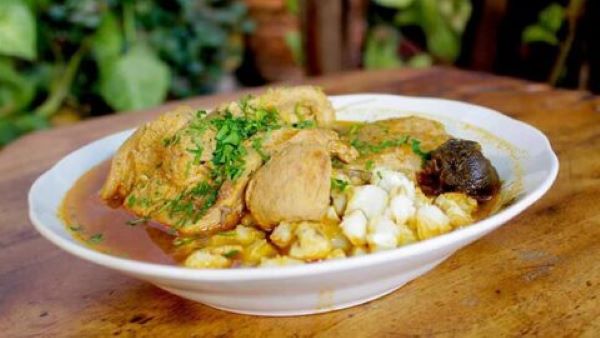
The base is a spiced pork broth with chunks of braised pork, hominy corn called mote, and a chuño, which is a freeze-dried Andean potato that absorbs the broth and becomes one of the best parts of the bowl. The heat comes from aji amarillo. The color is golden. The smell, when the bowl arrives, is of pork fat, corn, and warm spice in a combination that does not exist anywhere else in the world of soups. If you have been searching for the best fricase boliviano near me, this guide gives you a realistic path to finding it outside of Bolivia.
What Fricase Boliviano Actually Is
The word fricase in the Bolivian context is borrowed from the French fricassee but describes something completely different from the French preparation. Bolivian fricase is a pork-based soup rather than a cream-based chicken stew, and it has its own specific identity built entirely from Andean and Bolivian culinary tradition.
The soup starts with pork ribs or pork pieces braised in a broth seasoned with aji amarillo, the golden Andean chili that is fruity and moderately hot, alongside cumin, garlic, and dried herbs. The pork cooks slowly until fully tender and has given its fat and collagen to the broth, enriching it and giving it body. The color of a proper fricase comes from the aji amarillo, which turns the broth a vivid yellow-orange.
The mote, which is large white hominy corn cooked separately until swollen and tender, goes into each serving bowl and is topped with the pork broth and meat. The chuño, Andean freeze-dried potato, is added as well and absorbs the hot broth during eating, becoming intensely flavored and slightly sticky in texture. Some versions include a regular potato as well. The combination of the swollen hominy, the chuño, and the braised pork in the golden aji amarillo broth is what makes fricase boliviano a specific and irreplaceable eating experience.
When you search for the best fricase boliviano near me, the aji amarillo color in the broth, the mote corn, and the chuño are the three elements that confirm you have found the authentic dish rather than a generic pork soup.
Where to Find It
Bolivian restaurants are the primary source, and as with all Bolivian dishes, they are concentrated in cities with established Bolivian communities. Washington D.C., Arlington in Virginia, Providence, and parts of New York and New Jersey have the most reliable options. A dedicated Bolivian restaurant in any of these cities is likely to carry fricase boliviano as a weekend special or rotating menu item.
Bolivian home cooks and community vendors are often the most authentic source in cities without dedicated Bolivian restaurants. Fricase is a dish that requires advance preparation and a long simmering time, which makes it practical for home cooks to prepare in large batches for community sale. Instagram and Facebook groups for Bolivian expats in your city are the most productive channels for finding fricase boliviano made by someone who grew up eating it.
Bolivian cultural events and community gatherings around national holidays, particularly Bolivian Independence Day in August, often feature fricase boliviano as a featured dish. Events organized by Bolivian cultural associations or community organizations are worth attending specifically for this dish.
South American restaurants with broad menus that include Bolivian dishes sometimes carry fricase, though the preparation may be simplified without chuño or mote if these ingredients are not readily available. A restaurant that makes the effort to source chuño specifically is taking the dish seriously.
How to Search More Effectively
A direct search for the best fricase boliviano near me will return limited results in most cities. Here is how to search more productively:
Search Facebook for Bolivian community groups in your city or region. Ask directly whether anyone makes or sells fricase boliviano. This is the single most productive search method for this dish outside of Bolivia. Bolivian community members will respond with specific names, contact information, and pickup logistics.
Search Instagram with “fricase boliviano” plus your city name. Bolivian home cooks who make large batches for community sale post photos when they have fricase available, and the distinctive yellow-orange color of the aji amarillo broth with visible mote corn is identifiable immediately.
Search for Bolivian restaurants in cities within driving distance. A dedicated Bolivian restaurant in a neighboring city may be worth the trip for a dish this specific and this difficult to find.
Contact Bolivian cultural associations in your region. Even in cities without Bolivian restaurants, these organizations know home cooks who make traditional food and can connect you with a source.
What Good Fricase Boliviano Should Look Like
Once you find a source, a few things confirm the quality.
The broth color. Vivid yellow-orange from the aji amarillo, slightly cloudy from the collagen released by the pork during the long braise. A pale or brown broth without any yellow-orange tint means insufficient aji amarillo was used or a different chili was substituted. The color is both a flavor and quality indicator.
The mote. Large, swollen hominy kernels, fully cooked and tender, sitting in the bottom of the bowl. The mote should be completely cooked through with no hard center and should have absorbed some of the broth flavor. Undercooked mote that is still firm at the center indicates it was not given enough cooking time before assembly.
The chuño. Small, dark, freeze-dried potato pieces that have absorbed the hot broth and become slightly sticky and intensely flavored. If no chuño is present, the dish is missing one of its defining components. Some restaurants substitute regular potato, which is an acceptable adaptation but produces a different texture and flavor experience.
The pork. Fully tender, falling from the rib bone or easily broken apart, and tasting of the seasoned broth it cooked in. Pork that is still firm or requires significant chewing was not braised long enough.
The aji amarillo flavor. Fruity warmth present throughout the broth, not sharp or aggressive, building gently as you eat. The heat should complement the pork fat and the corn starch in the broth rather than dominating everything.
Ordering and Eating Tips
Fricase boliviano is a main course soup, substantial enough to be a full meal. Eat it with bread or a simple roll for dipping into the broth, which is one of the better parts of the bowl.
In Bolivia, fricase is traditionally a morning dish served at breakfast or brunch. If a Bolivian restaurant or home cook offers it specifically for breakfast or weekend morning service, that reflects the traditional eating context and the version is likely more carefully made for that specific service than a version available any time of day.
Eat the mote and chuño with every spoonful of broth. The texture contrast between the swollen hominy, the sticky chuño, and the tender pork in the rich broth is the intended experience and is significantly better than eating each component separately.
Ask whether the broth uses aji amarillo paste or fresh aji. Both are acceptable, but a kitchen that uses fresh aji amarillo is investing more in the ingredient than one using a commercial paste.
Pricing Expectations
A full bowl of the best fricase boliviano near me at a Bolivian restaurant typically runs between $14 and $24 depending on the market and the restaurant. Home cook and community vendor versions sold by the container are typically in the $10 to $18 range per serving. Event versions are often priced at the street food end of the range.
Key Takeaways
- The best fricase boliviano near me is most reliably found through Bolivian community Facebook groups and home cook vendors on Instagram, and at dedicated Bolivian restaurants in cities like Washington D.C., Arlington, and Providence.
- Fricase boliviano is a Bolivian pork soup with aji amarillo broth, hominy corn called mote, and freeze-dried Andean potato called chuño. These three elements together define the authentic dish.
- The vivid yellow-orange broth color from aji amarillo is the most immediate quality indicator. A pale or brown broth means insufficient aji was used.
- Chuño is a specific ingredient that many restaurants outside Bolivia substitute with regular potato. A source that uses actual chuño is making a more authentic version.
- Facebook community groups for Bolivian expats in your city are the single most productive search channel for this dish in most cities.
- Eat the mote, chuño, pork, and broth together in every spoonful. The combination of all components is the intended experience.
- Expect to pay $14 to $24 at a Bolivian restaurant and $10 to $18 per portion from a home cook or community vendor.