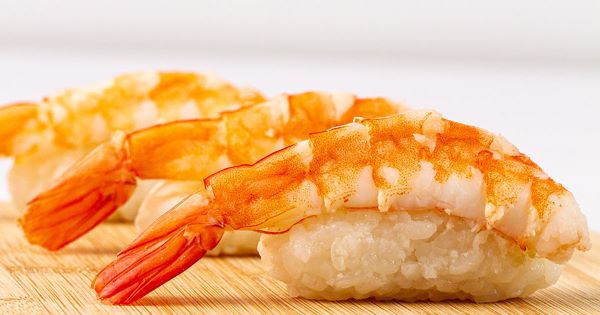
Shrimp nigiri is one of the most ordered pieces at any sushi counter, which means it is also one of the most frequently taken for granted. Most people assume ebi, the Japanese word for shrimp prepared for nigiri, is a simple, low-stakes piece that does not require much scrutiny. That assumption is worth revisiting. The difference between properly prepared shrimp nigiri and a mediocre version is significant enough to notice from the first bite, and the factors that determine quality are specific enough to look for before you sit down.
If you have been searching for sushi nigiri shrimp near me and want to find a restaurant that prepares it with care rather than just checking a box on the menu, this guide gives you a clear framework for evaluating what you find.
The Different Types of Shrimp Nigiri
Before looking at where to find good sushi nigiri shrimp near me, it helps to understand that shrimp nigiri comes in several distinct forms, each with different preparation and eating characteristics.
Ebi nigiri is the most common form. It uses cooked tiger shrimp or black tiger shrimp that has been butterflied, poached briefly in salted water with a splash of rice vinegar, then cooled and pressed onto sushi rice. The shrimp is pink, slightly sweet, and mild. It is the standard against which all other shrimp nigiri is measured.
Ama ebi nigiri uses raw sweet shrimp, a cold-water species harvested primarily from Canada and Japan. The raw shrimp has a translucent appearance, a naturally sweet flavor, and a slippery, almost creamy texture that is completely different from cooked shrimp. It is considered a more refined option and is priced higher. The heads of ama ebi are often fried and served alongside as a crunchy garnish.
Botan ebi is a larger raw shrimp variety with an even more pronounced sweetness and a firmer texture than ama ebi. It is less commonly available outside of higher-end sushi restaurants.
Shrimp tempura nigiri places a piece of lightly battered and fried shrimp on top of the rice. This is a more casual, Japanese-American preparation and is technically a different dish from traditional nigiri, though it appears on many menus under the shrimp nigiri category.
When you search for sushi nigiri shrimp near me, knowing which style you want helps you identify the right restaurant before you commit to a visit.
Where to Find It
Traditional sushi bars with an omakase or counter service format are the most reliable source for well-prepared shrimp nigiri. A restaurant that takes its nigiri seriously will prepare ebi to order, handle its ama ebi properly with cold chain integrity, and season its rice with the right vinegar balance. The counter format, where you can watch the itamae prepare each piece, is also the best way to evaluate quality before you eat.
Japanese restaurants with dedicated sushi chefs rather than a generalized menu are worth prioritizing. A restaurant where the sushi is made by someone whose primary role is the sushi counter will produce better nigiri than one where sushi is one component of a broader kitchen operation.
Higher-end Japanese restaurants are the only reliable source for ama ebi nigiri. Raw sweet shrimp requires careful handling, proper refrigeration, and a high enough volume of sales to ensure freshness. A restaurant that does not turn over its ama ebi quickly enough will serve a product that has deteriorated significantly from its peak quality.
Japanese grocery stores with sushi counters sometimes carry pre-made ebi nigiri as a prepared food item. These are made fresh during the day and are often a practical and affordable option for standard cooked shrimp nigiri if you are not interested in the raw varieties.
How to Search More Effectively
A direct search for sushi nigiri shrimp near me will return Japanese restaurants and sushi bars in your area, but not necessarily the ones handling shrimp nigiri with the care it deserves. Here is how to narrow it down:
Search Google Maps for sushi restaurant or Japanese restaurant and look at reviews and photos specifically focused on nigiri. A restaurant that posts close-up photos of individual nigiri pieces with clean presentation, properly formed rice, and toppings that sit flush rather than sliding off is showing you something useful about kitchen standards.
Search Yelp for sushi restaurants and read reviews that mention specific nigiri pieces. Reviewers who care about sushi will comment on rice temperature, vinegar balance, and whether the fish or seafood tasted fresh. Reviews that describe the ebi as rubbery, watery, or lacking flavor are warning signs.
Search Instagram with “shrimp nigiri” or “ebi nigiri” plus your city name. Sushi restaurant accounts and food bloggers who cover Japanese food post individual nigiri pieces regularly. The photos will show you rice quality, topping size relative to rice, and whether the presentation looks careful.
If you are looking for ama ebi specifically, search for “ama ebi” plus your city name on Instagram and Yelp. This is specific enough that only restaurants that actively source and serve it will appear in results.
What Good Shrimp Nigiri Should Look Like
Once you find a restaurant and order, a few things tell you immediately whether the preparation is worth coming back for.
The rice. Slightly warm, not room temperature and not cold. Sushi rice served cold has congealed and lost its texture. The grains should hold together when pressed but separate slightly when placed in the mouth. The vinegar and salt balance should be noticeable but not sharp. Rice that tastes strongly of vinegar or has too much sugar is not properly seasoned.
The ebi preparation. The cooked shrimp should be butterflied cleanly and pressed flat enough to sit flush on the rice without tipping. The color should be uniformly pink with no gray patches, which would indicate uneven cooking or old product. The texture should be firm and slightly springy, not rubbery or soft. Rubbery texture means overcooked. Soft and mushy texture means the shrimp was previously frozen and not properly thawed.
The size ratio. The shrimp should extend slightly beyond both ends of the rice portion. A small shrimp on a large rice ball is out of proportion and usually means the kitchen is cutting costs. The rice and topping should feel balanced in the mouth when eaten together.
The ama ebi quality. Raw sweet shrimp should be translucent, slightly glistening, and smell of clean seawater rather than any fishiness. A strong or off odor means it is past its peak. The texture should be soft and almost creamy, yielding immediately without resistance.
The wasabi. A small amount of wasabi placed between the rice and the topping rather than served only on the side. The heat from the wasabi integrated into the piece is part of the intended flavor, not an optional addition.
Ordering Tips
For standard ebi nigiri, order it early in a sushi meal. Cooked shrimp has a mild, clean flavor that works well at the start before your palate adjusts to the stronger flavors of fattier fish like salmon or tuna.
For ama ebi, ask the itamae whether it arrived that day or was received within the past 24 hours. A confident answer confirms proper inventory management. A vague answer warrants some caution.
Order nigiri at the sushi counter rather than from a table if the restaurant offers both options. Counter seating means pieces are prepared immediately before being handed to you rather than traveling through a kitchen pass and sitting on a tray. The difference in temperature and texture between a piece eaten within 30 seconds of being made and one that has traveled to a table is significant.
Consider ordering a small sushi set or asking the chef for a selection rather than ordering individual pieces. A set put together by the itamae will include the best available product on that day, and shrimp nigiri will appear as part of a balanced progression rather than as a standalone order.
Pricing Expectations
Ebi nigiri at a mid-range sushi restaurant typically runs between $4 and $8 for two pieces. At a higher-end sushi bar, the same pieces may be priced between $6 and $12 depending on sourcing and presentation. Ama ebi nigiri is priced higher, typically $8 to $16 for two pieces at a quality sushi bar, reflecting the cost of sourcing and handling raw sweet shrimp properly.
Pre-made ebi nigiri at Japanese grocery store sushi counters is typically $3 to $6 for two pieces and represents reasonable value for the standard cooked version.
Key Takeaways
- Finding quality sushi nigiri shrimp near me is most reliable at dedicated sushi bars with counter seating and a focused nigiri menu rather than at Japanese restaurants where sushi is one of many menu categories.
- Shrimp nigiri comes in several forms: cooked ebi, raw ama ebi, botan ebi, and shrimp tempura nigiri. Knowing which style you want before searching helps you identify the right restaurant.
- Properly prepared ebi is butterflied, uniformly pink, springy in texture, and sized to extend slightly beyond the rice portion. Rubbery texture means overcooked. Soft or mushy texture means improperly thawed frozen shrimp.
- Ama ebi requires careful cold chain handling. Ask when it arrived before ordering and look for translucent color and clean seawater smell as freshness indicators.
- Order nigiri at the counter rather than from a table. Pieces eaten within seconds of being made are noticeably better in temperature and texture than those that travel through a kitchen pass.
- Search Instagram with “ebi nigiri” or “ama ebi” plus your city name for the most relevant visual evidence of which local restaurants are handling shrimp nigiri with care.
- The sushi rice is as important as the topping. Warm, properly seasoned rice with balanced vinegar and salt is a non-negotiable baseline for good nigiri of any variety.
- Expect to pay $4 to $8 per two-piece order for cooked ebi and $8 to $16 for ama ebi at a quality sushi bar.