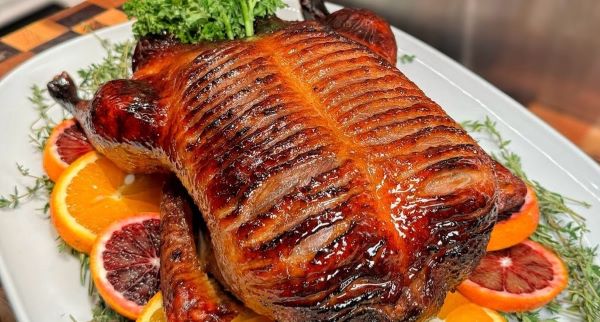
If you want to experience one of France’s most celebrated dishes, duck a l’orange represents the pinnacle of classic French cooking. This dish combines tender duck breast with a bright, tangy orange sauce that creates a balance of flavors unlike anything else. Finding the best duck a l’orange near me takes you straight into the world of refined yet approachable fine dining.
Duck a l’orange emerges from a time when French cuisine ruled the world’s finest tables. It’s not everyday food. It’s the kind of dish that marks special occasions, celebrations, and moments when you want something genuinely memorable. The beauty lies in how the acidity of the orange cuts through the richness of the duck, creating a harmony that feels both simple and sophisticated.
What Makes Authentic Duck a l’Orange
Duck a l’orange depends on understanding its core components. The dish requires quality duck, careful sauce preparation, and proper technique. When you search for the best duck a l’orange near me, you’re looking for restaurants that respect this balance.
The duck itself sets the tone. Most restaurants use Pekin or Moulard duck. The meat should be cooked medium-rare, leaving the interior slightly pink and incredibly juicy. Overcooked duck becomes dry and loses the entire appeal. Undercooked duck presents food safety concerns. The sweet spot requires skill and experience.
The sauce is where duck a l’orange truly distinguishes itself. Traditional preparation involves reducing fresh orange juice with duck stock, then mounting it with butter. The result should be glossy, vibrant, and intensely flavored. Some chefs add Grand Marnier or other liqueurs for complexity. Others incorporate orange zest for bitterness that balances the sweetness. Quality restaurants make this sauce fresh rather than preparing it in advance.
The Sauce: Heart of the Dish
Understanding the orange sauce helps you evaluate what you’re eating. A proper duck a l’orange sauce begins with duck stock made from bones and aromatics. This stock forms the flavor foundation. Fresh orange juice provides acidity and brightness. Sugar caramelizes slightly to add depth without making the sauce sweet.
The technique matters tremendously. Reducing the sauce too quickly concentrates flavors unevenly. Low-and-slow reduction creates better integration. Mounting the sauce with cold butter at the end adds richness and silkiness that makes it coat the plate beautifully.
Some restaurants add a touch of veal demi-glace for additional body. Others incorporate a small amount of orange liqueur. These additions can elevate the sauce but aren’t essential. The best versions let the orange and duck flavors shine without excessive additions.
Finding the Best Duck a l’Orange Near Me
Locating authentic duck a l’orange near me requires knowing where genuine French technique still lives. Classic French restaurants, bistros with strong traditions, and upscale dining establishments most reliably serve quality duck a l’orange.
Look for restaurants that feature duck prominently on their menus rather than treating it as a novelty item. Places specializing in French cuisine typically understand duck preparation better than establishments dabbling in multiple cuisines. The commitment matters. Restaurants dedicated to duck have refined their technique over years or decades.
Ask whether the duck is prepared in-house. Some restaurants buy pre-cooked duck and simply warm it with sauce. This shortcut produces inferior results. Quality establishments receive whole ducks and break them down themselves, using every part and making their own stock.
The wine program matters too. Restaurants taking duck a l’orange seriously usually have excellent Burgundy selections. Pinot Noir from French regions complements duck a l’orange perfectly. The sommelier’s passion for wine pairings often indicates overall kitchen commitment.
How Duck a l’Orange Should Taste
When you finally taste good duck a l’orange near me, several flavor notes should be apparent. The duck should taste rich but not gamey. Fresh, properly handled duck has subtle nuttiness and deep meat flavor without unpleasant funk.
The orange sauce should balance sweetness with acidity. If the sauce tastes cloying, too much sugar was added or the reduction wasn’t managed properly. If it tastes bitter, orange peel or zest overwhelmed the balance. Perfect duck a l’orange sauce tastes fruity, slightly tart, rich from butter, and clean.
The texture contrast between the crispy-skinned duck and the silky sauce creates essential appeal. The sauce shouldn’t be gelatinous or too thick. It should flow slightly on the plate, coating without pooling.
Regional French Variations
Duck preparation varies across French regions. Duck a l’orange originated in Parisian kitchens but has regional interpretations worth understanding.
In Bordeaux and surrounding wine regions, duck often appears in slightly different preparations emphasizing local ingredients. Some versions incorporate local wine rather than orange juice. These variations remain delicious but differ from classic duck a l’orange.
Peking duck from Chinese kitchens shares some DNA with French preparations but takes a completely different approach. The sauce emphasizes different flavors. Understanding this distinction helps you know what you’re seeking when hunting for authentic duck a l’orange near me.
Loire Valley versions sometimes appear simpler, letting duck quality shine without elaborate sauces. These interpretations work well but represent regional preference rather than the classic preparation.
Preparing Duck a l’Orange at Home
If quality duck a l’orange near me is hard to find, home preparation is achievable for experienced cooks. The technique demands attention but doesn’t require professional equipment.
Start with room-temperature duck breasts. Score the skin in a crosshatch pattern without cutting into the meat. This allows fat to render properly. Season generously with salt and pepper. Place skin-side down in a cold pan, then turn heat to medium. The duck renders its fat slowly, creating crispy skin while the meat cooks gently.
After about eight minutes skin-side down, flip and cook another three to four minutes for medium-rare. The internal temperature should reach 130-135 degrees Fahrenheit. Remove the duck and let it rest while you finish the sauce.
For the sauce, deglaze the pan with orange juice. Add duck stock or chicken stock mixed with a touch of demi-glace. Reduce until the sauce coats a spoon. Finish with cold butter whisked in off heat. Taste and adjust seasoning. The sauce should be glossy and rich.
Slice the duck against the grain and arrange on the plate. Pour the sauce around or over the duck. Garnish with orange segments or zest. Serve immediately.
Wine Pairings for Duck a l’Orange
Selecting the right wine elevates the entire duck a l’orange experience. Burgundy Pinot Noir stands as the classic pairing. The wine’s bright acidity cuts through duck richness while complementing the orange sauce.
Look for Pinot Noir from Gevrey-Chambertin or similar regions. These wines have enough body to stand up to duck while maintaining the elegance the dish deserves. Older vintages work beautifully as their tannins soften and secondary flavors emerge.
Bordeaux blends from the left bank can work if they lean toward elegance rather than power. Avoid heavy, oaky wines that overpower the delicate sauce. The wine should enhance the dish, not dominate it.
Some restaurants offer alternative pairings like Alsatian Pinot Gris or even lighter reds. These choices can work with proper selection. The key is finding wine that respects the dish’s refinement.
The Art of Plating Duck a l’Orange
How duck a l’orange appears on the plate matters significantly. Presentation indicates the chef’s care and attention. Quality restaurants plate duck a l’orange thoughtfully.
The duck should be sliced to show the pink interior without appearing raw. Three to four slices arranged overlapping or fanned creates visual appeal. The sauce should pool artfully without looking haphazard. Some chefs add microgreens, edible flowers, or citrus segments for color contrast.
Temperature matters too. The plate should arrive hot enough that the sauce flows slightly. Cold plates cause the sauce to stiffen immediately. Restaurants serious about duck a l’orange warm their plates properly.
Understanding Duck Quality and Sourcing
The quality of duck a l’orange near me depends directly on duck sourcing. Different duck types produce different results. Pekin ducks, the most common type, have mild flavor and tender meat. Moulard ducks, larger and with darker meat, offer more pronounced flavor. Some restaurants use wild duck, which carries gamier taste.
Ask restaurants where they source their duck. Local sourcing often indicates quality consciousness. Duck from quality producers handled carefully produces better results than mass-produced birds processed hastily.
The age of the duck matters too. Younger ducks have tender meat. Older ducks, while flavorful, require different cooking approaches. The best duck a l’orange near me uses ducks old enough to have developed flavor but young enough to remain tender.
Seasonal Availability
Duck a l’orange appears year-round on better restaurant menus, but autumn and winter feel most natural. Duck is richer comfort food, more appealing when weather turns cold. Summer preparations of duck a l’orange seem incongruous with the season.
Some restaurants feature duck a l’orange as a seasonal special with variations. Fall versions might incorporate autumn fruits. Winter versions might have richer sauces. Spring and summer versions might be lighter.
Call ahead when searching for the best duck a l’orange near me to confirm availability. While rarely completely unavailable, seasonal variations affect quality and preparation.
Duck a l’Orange and Poultry Cooking Techniques
Duck a l’orange shares some technique similarities with other poultry preparations but maintains crucial differences. Unlike chicken, duck benefits from higher fat content that renders during cooking. Unlike turkey, which requires different approaches entirely, duck cooks quickly and demands precise timing. For comparison, smoking whole birds like spatchcock turkey requires extended, low-temperature cooking completely different from duck a l’orange’s quick searing and sauce-making approach. Learn how long to smoke a spatchcock turkey to understand the spectrum of poultry cooking methods, from quick French preparations to slow-smoked American traditions. Understanding these differences helps you appreciate what makes duck a l’orange unique—a dish that relies on technique, sauce, and proper protein handling rather than extended cooking times.
Special Occasions and Duck a l’Orange
Duck a l’orange marks occasions worth celebrating. Anniversary dinners, promotions, milestone birthdays all find themselves accompanied by this elegant dish. There’s something about duck a l’orange that signals specialness without being stuffy or intimidating.
Fine dining restaurants understand this role. They plate it with care, serve it with appropriate ceremony, and ensure it arrives perfect. The experience of eating exceptional duck a l’orange near me creates memories beyond just the food itself.
Ordering Tips When You Find Duck a l’Orange
When you locate excellent duck a l’orange near me, certain ordering tips maximize the experience. Always ask about the duck’s source and how it’s prepared. This question often prompts passionate responses from chefs or servers who care about their ingredients.
Specify medium-rare doneness clearly. Some restaurants cook duck well-done by default, which ruins it. Communicate your preference without hesitation. Quality restaurants accommodate reasonable requests.
Ask about sauce ingredients. Learning whether they use Grand Marnier, what type of stock they rely on, and how they finish the sauce provides insight into their approach. Passionate explanations indicate kitchen excellence.
Order the wine pairing if the restaurant offers recommendations. The sommelier’s choices typically reflect careful thought. Trust their expertise when it’s paired with duck a l’orange.
Key Takeaways
- Duck a l’orange represents classic French cuisine that balances tender duck meat with bright, tangy orange sauce requiring proper technique and quality ingredients.
- Authentic duck a l’orange depends equally on the duck’s preparation and the sauce’s balance between sweetness from orange juice and richness from butter and stock.
- The best duck a l’orange near me comes from classic French restaurants, dedicated bistros, or upscale establishments where chefs have refined duck technique over years.
- Quality duck a l’orange features duck cooked medium-rare to stay juicy, with a sauce that tastes fruity and slightly tart without being cloying or overly bitter.
- The orange sauce requires careful reduction of fresh orange juice with duck stock, then mounting with cold butter to create a glossy, silky consistency.
- Duck a l’orange has regional French variations, but the classic Parisian preparation remains the standard against which other versions are measured.
- Home preparation of duck a l’orange is achievable by scoring duck skin, rendering fat slowly over medium heat, then preparing the sauce in the same pan.
- Burgundy Pinot Noir stands as the classic wine pairing for duck a l’orange, with Gevrey-Chambertin or similar regions offering ideal flavor balance.
- Restaurants serious about duck a l’orange purchase whole ducks, break them down in-house, and make their own stock rather than buying pre-cooked convenience products.
- Duck a l’orange plates with sliced duck arranged to show the pink interior, sauce pooled artfully around it, and subtle garnishes indicating the chef’s attention to detail.
- Different duck types produce different results, with Pekin ducks offering mild flavor and Moulard ducks providing richer, darker meat with more pronounced taste.
- Understanding duck a l’orange’s quick-searing technique helps you appreciate how it differs from extended cooking methods like smoking, reflecting different culinary traditions and purposes.